-

Do Phalaenopsis orchids need root pruning and disinfection with chlorothalonil?
In the process of caring for Phalaenopsis orchids, the health of the root system directly affects the plant's growth and flowering quality. Whether Phalaenopsis orchids need root pruning, and whether chlorothalonil disinfection is required after pruning, are care points worth understanding in depth, as they help keep Phalaenopsis orchids in good growing condition. First, let's talk about whether Phalaenopsis orchids need pruning
-

Chinese Plum Yew (Cephalotaxus fortunei) Price, Benefits and Effects, and How It Differs from Yew
Chinese plum yew (Cephalotaxus fortunei), a traditional Chinese medicine name, also known as Tibetan yew, is the seed, root, or branches and leaves of the plant Cephalotaxus fortunei of the family Cephalotaxaceae. The bark is harvested throughout the year, dried in the sun and used raw; the seeds are picked in autumn; the roots, branches and leaves can be collected in all four seasons, and are used raw or stir-fried until cooked. So how much is Chinese plum yew? What
-
What are the effects and uses of chlorothalonil? A detailed explanation in one article
Chlorothalonil pure product is a white crystal, is a common fungicide for growing crops, has a protective effect, no corrosive effect, can be used to control rice blast, rice sheath blight, wheat leaf rust, wheat leaf spot, peanut rust, peanut brown spot,
-
What diseases does chlorothalonil mainly control? A detailed explanation of its targets and fungicidal spectrum
Chlorothalonil mainly controls fungal diseases such as blast disease, leaf rust, leaf spot, peanut rust, brown spot, black spot, and downy mildew. Suitable crops include grapevines, pear trees, apple trees, jujube trees, persimmon trees, tomatoes, cucumbers, wheat, rice, cabbage, and others. When
-
How to Dilute Chlorothalonil with Water? Detailed Guide to the Correct Dilution Ratio
Chlorothalonil is a broad-spectrum, highly effective fungicide that can control various diseases such as anthracnose, blight, and powdery mildew. It is currently widely used on crops such as cucurbits, rice, wheat, and peanuts. So how do you dilute chlorothalonil with water? 1. How to dilute chlorothalonil with water? Diluting chlorothalonil
-
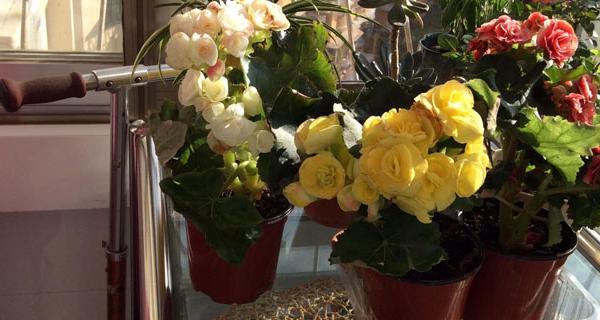
Can chlorothalonil be used to soak the roots of flowers with root rot?
Is it okay to soak the roots of flowers with root rot in chlorothalonil?
-
How to prevent and treat avian encephalomyelitis? A full analysis of the key methods
Avian encephalomyelitis (AE) is an infectious disease of chicks caused by the avian encephalomyelitis virus, mainly affecting the nervous system, also known as epidemic tremor. Its main features are that affected chicks show ataxia, tremors of the head and neck muscles, leg paralysis, and paralysis; laying hens show a drop in egg production rate. I. Symptoms 1. Chicks. In the early stage of the disease, affected chickens are depressed and slow to respond; subsequently, some diseased chickens gradually develop ataxia and are unwilling to move; or they walk with an unsteady gait until they cannot stand; both hock joints rest on the ground, both wings are spread and drooping to the ground, and they barely flap their wings
-
What causes encephalopathy in chickens?
Encephalopathy in chickens refers to diseases caused by damage to the brain tissue of chickens. The main manifestations are various neurological symptoms, such as head and neck tremors, ataxia, paralysis of the wings and legs, twisted neck, and circling. The causes are diverse, including bacterial, viral, metabolic, and toxic factors. It is caused by Escherichia coli invading the brain tissue. Necropsy shows soybean-sized grayish-white necrosis in the posterior part of the cerebral hemispheres, with depression. Clinical symptoms include head and neck tremors, unstable standing, and so on. For diagnosis, aseptically
-
Symptoms and Prevention and Treatment of Avian Encephalomyelitis in Chickens
This disease is an infectious disease caused by avian encephalomyelitis virus, characterized mainly by attacking the nervous system. Chickens, pheasants and quail can all be infected. Key points for diagnosis: Epidemiological characteristics: chickens of all ages can be infected through the digestive tract. It can also be transmitted vertically through eggs laid by infected breeding hens. Some develop the disease as soon as they hatch, which proves that they were already infected during the embryonic stage. Clinical symptoms: because the virus mainly attacks the nervous system, it manifests as unsteady walking, circling movements or spinning in place, or paralysis of both legs and falling to the ground, with head and neck tremors.
-
Symptoms and Prevention and Treatment of Avian Encephalomyelitis
Avian encephalomyelitis is caused by a virus and mainly affects chicks under 1 month of age. Affected chicks gradually become unable to stand, resting on the hock joint on the ground, or lying on one side with one leg extended; some affected chicks show paroxysmal trembling of the head and neck, and sudden sounds can trigger the trembling. Affected chicks always have an appetite, and can feed if the trough is moved beside them. Most affected chicks eventually die of exhaustion because they cannot get feed and water. The incidence rate is generally 10-20%, and the mortality rate averages about 10%. [Necropsy] In the muscular layer of the proventriculus and gizzard there are many
条件筛选