-

How to Dilute Chlorothalonil with Water? Detailed Guide to the Correct Dilution Ratio
Chlorothalonil is a broad-spectrum, highly effective fungicide that can control various diseases such as anthracnose, blight, and powdery mildew. It is currently widely used on crops such as cucurbits, rice, wheat, and peanuts. So how do you dilute chlorothalonil with water? 1. How to dilute chlorothalonil with water? Diluting chlorothalonil
-
What diseases does chlorothalonil mainly control? A detailed explanation of its targets and fungicidal spectrum
Chlorothalonil mainly controls fungal diseases such as blast disease, leaf rust, leaf spot, peanut rust, brown spot, black spot, and downy mildew. Suitable crops include grapevines, pear trees, apple trees, jujube trees, persimmon trees, tomatoes, cucumbers, wheat, rice, cabbage, and others. When
-
What are the effects and uses of chlorothalonil? A detailed explanation in one article
Chlorothalonil pure product is a white crystal, is a common fungicide for growing crops, has a protective effect, no corrosive effect, can be used to control rice blast, rice sheath blight, wheat leaf rust, wheat leaf spot, peanut rust, peanut brown spot,
-
Chinese Plum Yew (Cephalotaxus fortunei) Price, Benefits and Effects, and How It Differs from Yew
Chinese plum yew (Cephalotaxus fortunei), a traditional Chinese medicine name, also known as Tibetan yew, is the seed, root, or branches and leaves of the plant Cephalotaxus fortunei of the family Cephalotaxaceae. The bark is harvested throughout the year, dried in the sun and used raw; the seeds are picked in autumn; the roots, branches and leaves can be collected in all four seasons, and are used raw or stir-fried until cooked. So how much is Chinese plum yew? What
-
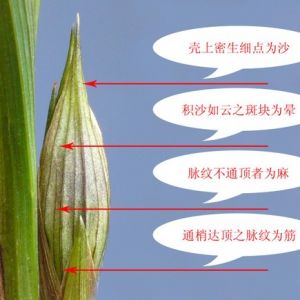
What do "veins, mottling, sand, and halo" mean in orchids?
Before the flower bud has opened, checking whether the bud sheath has "veins, mottling, sand, and halo" is an important means of distinguishing refined flowers from ordinary flowers, and it is a precious legacy left to us by the orchid-growing predecessors. Please see the image below:
-
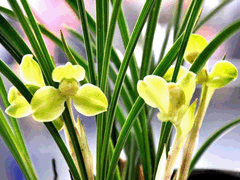
Chlorothalonil is a commonly used fungicide for controlling orchid diseases.
Orchid fungicide: chlorothalonil
-

What is the difference between chlorothalonil and carbendazim?
The difference between chlorothalonil and carbendazim
-
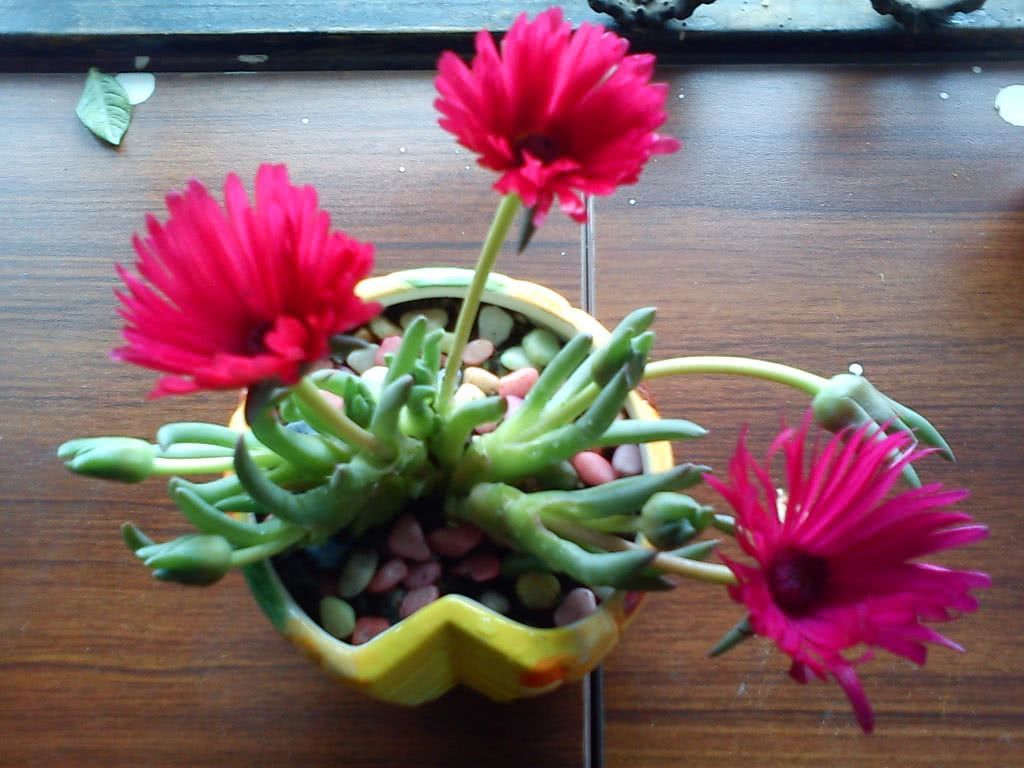
Introduction to the variety characteristics of the Cephalophyllum framesii succulent
Cephalophyllum framesii (scientific name: Cephalophyllum framesii L.Bolus) is a succulent in the family Aizoaceae, genus Cephalophyllum, a perennial herb. Its flowers habitually open in the midday sun and close automatically in the evening, reopening the next day, and can bloom continuously...
-
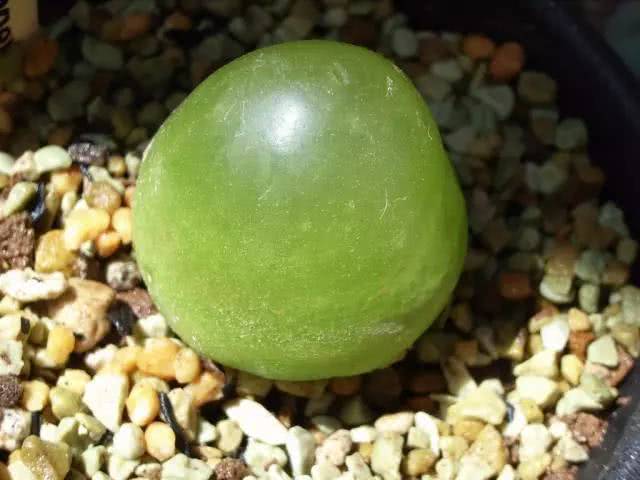
The bulb is a succulent that comes with its own summer halo
As mentioned in today's second article, growing succulents in summer is extremely hard. So, is there a succulent that comes with its own summer halo? There really is, for example... the bulb. Don't laugh, this is a serious plant name. It looks like this: a light bulb. Image...
-
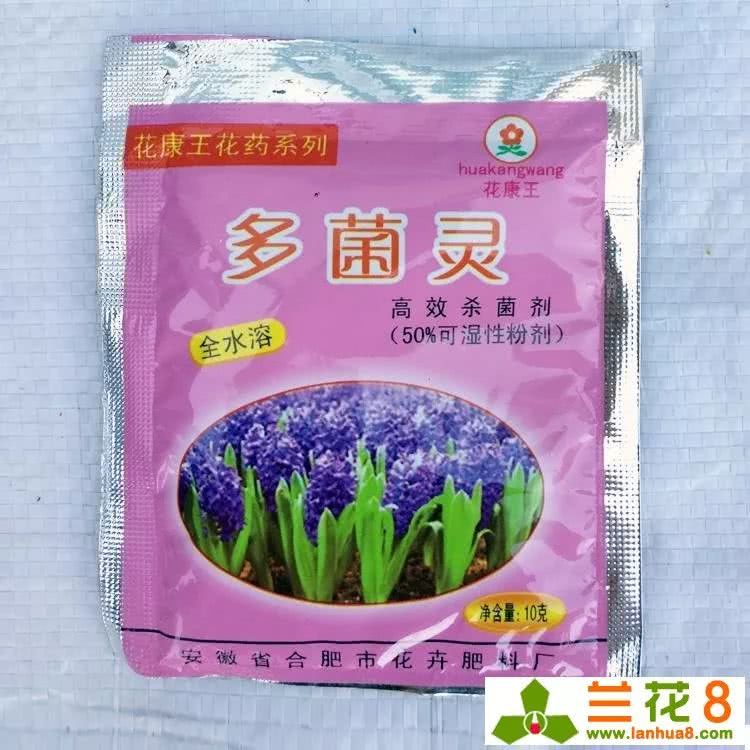
What is the difference between chlorothalonil and carbendazim, two commonly used fungicides for orchids
Promote Chinese orchid culture, spread orchid knowledge. Chlorothalonil is a broad-spectrum protective fungicide with stable chemical properties, no corrosive effect, low toxicity to humans and livestock, and high toxicity to fish. It mainly controls a variety of fungal diseases, but against soil-borne Pythium...
条件筛选