-

Prevention and Treatment Methods for Common Perinatal Diseases in Dairy Cattle
1. Endometritis This is an important cause of infertility in dairy cattle, and is divided into acute and chronic types. It is caused by the invasion of bacteria and other microorganisms after the cow gives birth (including miscarriage and difficult calving management) or after mating. Brucellosis, trichomoniasis, and improper handling
-
What are the prevention and treatment methods for sow endometritis?
How should sow endometritis be prevented and treated?
-
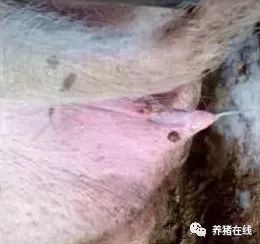
Painless uterine cleaning for sow endometritis, tested with a 100 percent breeding success rate
Sow endometritis, painless uterine cleaning, 100 percent breeding success! Tested!
-
Symptoms and Comprehensive Prevention and Treatment of Endometritis in Sows
When sows are mated, artificially inseminated, giving birth, assisted during farrowing, or experiencing miscarriage, if hygiene is not observed or disinfection is not strict, bacteria can be introduced into the uterus, causing reproductive infections in sows. Among these, Escherichia coli, Corynebacterium, Streptococcus, Staphylococcus, Pseudomonas aeruginosa, and Proteus are the most common, leading to endometritis. During farrowing, surgical manipulation of the birth canal or partial retention of fetal membranes in the uterus can also cause endometritis. If the floor of the pen is not kept clean, or if the sow moves around in a exercise yard contaminated with sewage, bacteria can also enter through the vulva.
-
Symptoms and Treatment Methods of Canine Endometritis
It is caused by infection, miscarriage, or retained fetus, among other reasons. Clinically, foul-smelling, dirty discharge from the vulva can be seen. Treatment is mainly antibacterial and anti-inflammatory. [Prescription 1] 0.02% Furacilin solution 100-300 ml. Usage: flush the uterus once. Once daily, for 2-4 consecutive days. [Prescription 2] Pituitrin injection 2-15 units, Cefalotin 0.5-2.0 g, water for injection 5-10 ml. Usage: respectively administer once by intramuscular
-
How to prevent and treat bacterial endometritis in cattle and pigs
Metritis in livestock such as cattle and pigs is mainly inflammation of the endometrium, hence it is called endometritis. Endometritis is usually a mucous or purulent inflammation of the uterine mucosa. Myometritis and perimetritis, however, can occur only in acute postpartum metritis and are also very rare. Endometritis is an extremely common reproductive organ disease in female livestock, and is divided into acute and chronic forms. Acute cases all occur postpartum, secondary to infection by pathogenic bacteria during dystocia, uterine prolapse, or retained placenta; chronic cases mostly develop from acute ones, or result from infection at breeding. When female livestock develop
-
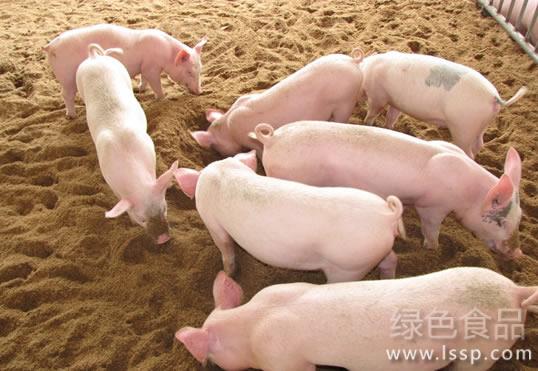
Sow endometritis with repeated breeding failure and complete loss of appetite: how to prevent and treat it
How to prevent and treat sow endometritis with repeated breeding failure and complete loss of appetite
-

How to treat sheep endometritis? Detailed explanation of prevention and treatment methods
What to do about sheep endometritis
-
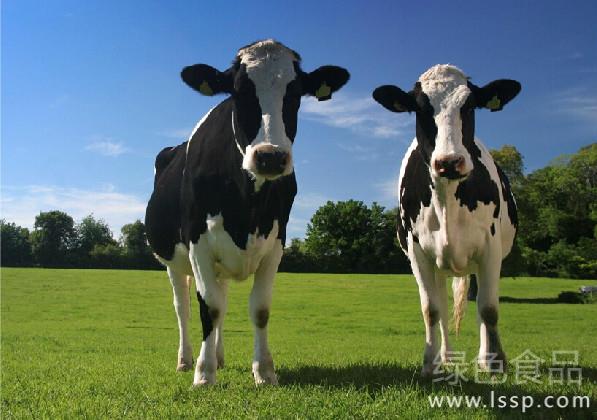
Prevention and Treatment Methods for Infertility Caused by Endometritis in Dairy Cows
Endometritis Causes Infertility in Dairy Cows: Prevention and Treatment Methods for Dairy Cow Endometritis
条件筛选