-

How to Diagnose and Control Cottony Cushion Scale on Clivia
Diagnosis and Treatment of Cottony Cushion Scale on Clivia
-
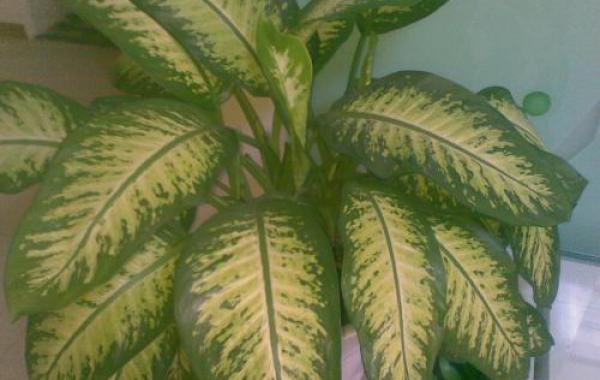
Flower pest and disease identification methods to help you quickly diagnose
How to identify flower pests and diseases
-
When seasons change, pig diseases are frequent: learn to diagnose several common infectious diseases
In late spring and early summer, as the seasons change, the climate is unpredictable and various epidemic diseases occur frequently. Pigs are susceptible to epidemic diseases. A set of diagnostic and treatment methods for infectious pig diseases has been compiled for the reference of farmers. 1. In pig production, we often encounter the following typical
-
Diagnosis Methods and Prevention Measures for Anthrax in Sheep
Anthrax in sheep is an acute, febrile and septicemic zoonotic infectious disease caused by Bacillus anthracis. It often occurs in sporadic or endemic form, and sheep are the most susceptible. This disease also has a seasonal character, and it is most likely to occur under the changeable weather conditions of spring and autumn.
-
How are pullorum disease in newly hatched partridges diagnosed and treated in partridge farming?
Diagnosis and prevention and treatment Based on the characteristics of mass onset and death among young partridges and grayish-white foul-smelling diarrhea, a preliminary diagnosis can be made. After laboratory bacterial isolation and identification, it was confirmed as partridge pullorum disease. The partridge farm was immediately locked down, and 63 severely affected partridges were isolated separately from 584 mildly affected and asymptomatic partridges; the partridge house was cleaned, ventilation was strengthened, and stocking density was adjusted. The partridge house was sprayed and disinfected with 1:300 Baidusha while the partridges were present, once per day, for 3 consecutive days; the whole flock was immediately given norfloxacin at 0.05% mixed into feed and ciprofloxacin at 0.02% in drinking water for 5 consecutive days. The 63 severely affected partridges were injected intramuscularly with 2 ml:0.5 g (500,000 units) kanamycin sulfate at 0.1 ml per bird, twice per day, for 3 consecutive days; contaminated feathers and feces were promptly cleaned up daily and disinfected with 2% NaOH; dead partridge carcasses were soaked in 2% NaOH for half an hour and then deeply buried. On the morning of the next day after these measures were taken, 5 mildly affected partridges died, and the remaining partridges showed improved spirits and increased feed intake; 22 severely affected partridges died, and the remaining partridges gradually improved in spirit, with some already seen foraging. On the third day, 4 severely affected partridges died, and the spirits and appetite of the remaining partridges gradually returned to normal. A follow-up visit half a month later showed that the partridge flock had fully recovered and was growing and developing normally.
-
How Poultry Keepers Diagnose Chicken Diseases by Looking at Chicken Droppings
Generally, normal chicken droppings are strip-shaped, with a layer of white urate covering the surface, and are moderate in firmness. Their color can vary depending on the type of feed, mostly grayish green or sauce yellow. If they are too hard or too thin, it is caused by insufficient or excessive drinking water.
-
How to diagnose and treat selenium deficiency in dairy cows? Farmers need to master these methods
1 Symptoms The affected animals show depression, decreased appetite, emaciation, curled coat, standing apart from the herd in a daze, unsteady standing, tendency to lie down, movement disorders, muscle tremors, numbness of the limbs, arched lower back, and a sharp drop in milk production. In severe cases, appetite is completely lost, milk production stops,
-
Diagnosis and Treatment of Aflatoxin Poisoning in Cattle
Aflatoxins are a class of hepatotoxic substances. After animals are poisoned, liver damage predominates, accompanied by increased vascular permeability and central nervous system damage, with clinical features including jaundice, hemorrhage, edema and neurological symptoms. Acute poisoning is mostly seen in calves, while chronic poisoning is mostly
-
How to Tell if a Sow Is Pregnant? Master These 3 Methods to Identify It Easily
Abstract According to the timing of the sow's gestation date, it can generally be divided into three stages: early, middle and late. Early stage: observe changes in the sow's appearance; if her eyes are bright and her temperament becomes gentle, it means she has conceived, and the iodination method, finger-pressure method and hand-squeezing method can be used to judge. Middle stage: if she does not
-
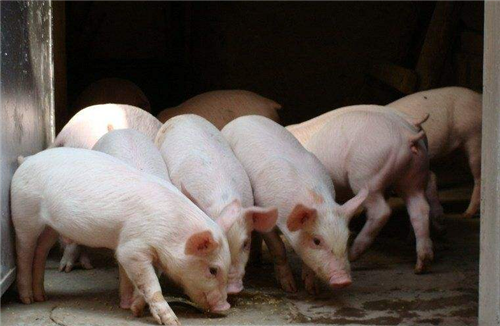
How to differentially diagnose abortion and stillbirth in sows
Sow abortion and stillbirth: how to differentially diagnose
条件筛选