-
The Flower Language and Symbolism of Sageretia thea and Bonsai Care Methods and Precautions
Sageretia thea, also known as duijieci, Sageretia thea, or sour plum fruit, is a vine-like or upright shrub plant of the genus Sageretia in the Rhamnaceae family. Its branches usually bear sharp thorns, and its leaves are papery or nearly leathery, varying in shape, including elliptical, oblong, or ovate-elliptical, with edges often finely serrated. Sageretia thea has a long flowering period,
-
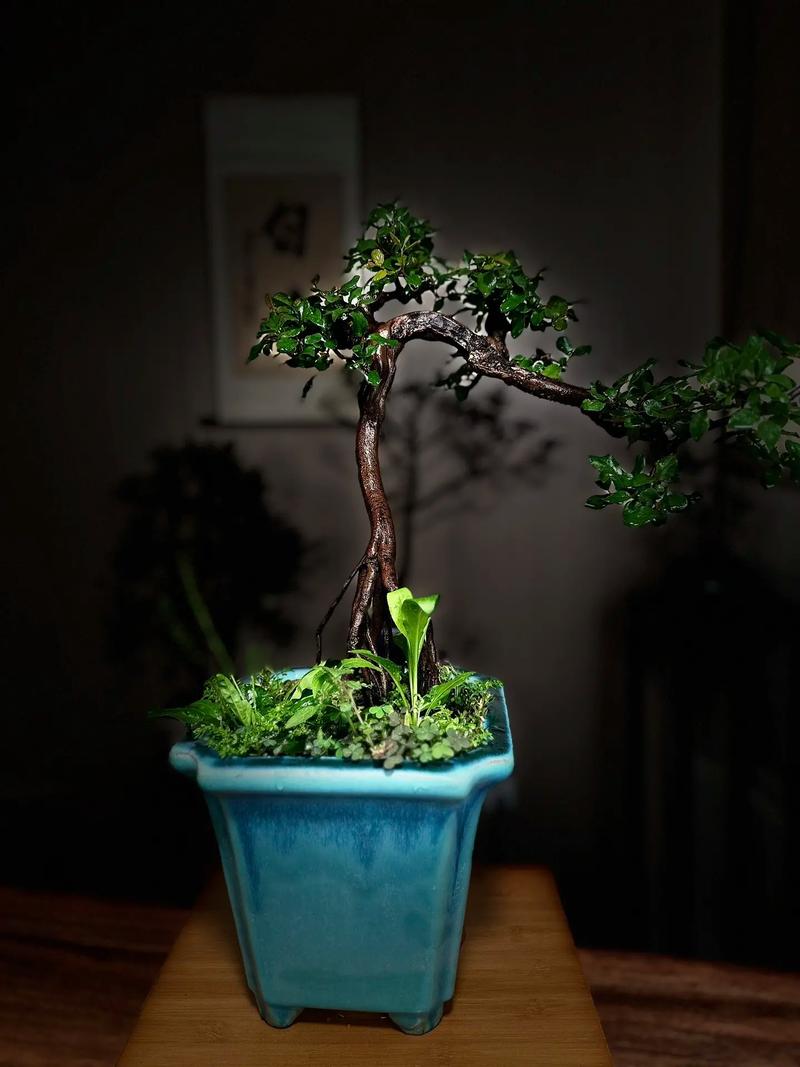
The maintenance methods and precautions of Sageretia theezans
Sageretia, also known as Sageretia theezans, Sageretia vine or sour plum fruit, is a vine-like or upright shrub plant of the Sageretia genus in the Rhamnaceae
-
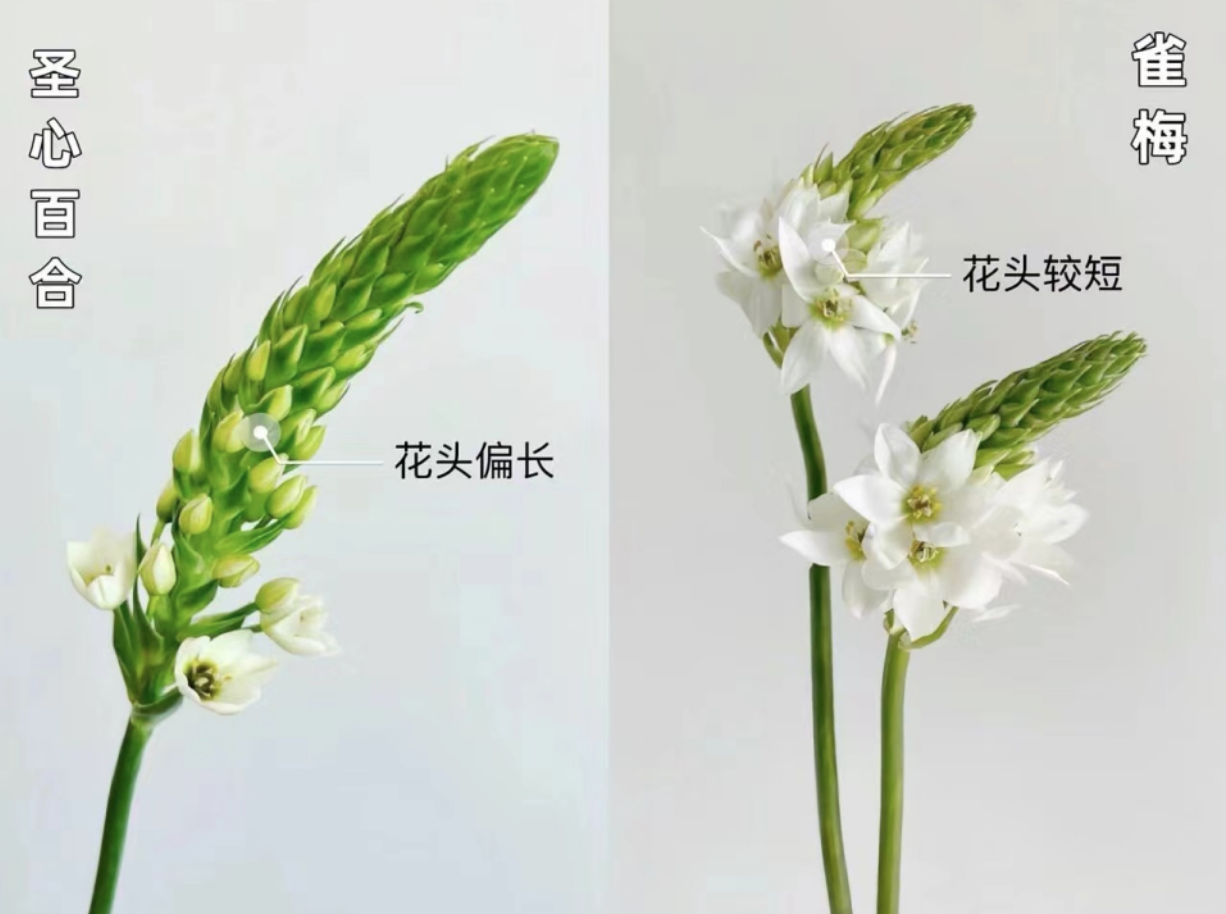
The differences between Sageretia theezans and Bomarea salsilla
The "Sageretia theezans", which is deeply loved by flower enthusiasts, gives people a fresh and natural feeling after blooming. Its branches are tortuous and
-

When does Sageretia thea bloom? A detailed guide to its flowering period
Friends who like planting and flowers and plants are probably familiar with Sageretia thea, but do you know when Sageretia thea blooms? Let's take a look! 1. When does Sageretia thea bloom? Sageretia thea blooms from July to November every year. Since ancient times, Sageretia thea has been an important material for making bonsai
-
How to Grow Chinese Sweet Plum (Sageretia thea)? A Full Breakdown of the Latest Planting Techniques
Sageretia thea is certainly no stranger to bonsai enthusiasts. As one of the Seven Sages of bonsai, Zhang Yongfa praised it in his poem: red buds covering the tree in spring, green shade like a canopy in summer, tiny flowers with a faint fragrance in autumn, and iron-hard gnarled branches in winter. The roots and trunk of Sageretia thea are peculiar, and as a whole it appears vigorous
-
What are the common pests and diseases of Sageretia thea? Summary of the latest control measures
Sageretia thea (Chinese sweet plum), as one of the "Seven Sages" of bonsai and an important material for making bonsai, is deeply loved by bonsai enthusiasts. But if it is infected with pests and diseases, its value will be greatly reduced. So which pests and diseases is Sageretia thea prone to? And how should these pests and diseases be controlled? Qin Nong
-
How to Make a Beautiful Sageretia Bonsai? Latest Method Explained in Detail
For many bonsai enthusiasts, studying the cultivation of various bonsai is an essential task. Today, the editor wants to bring you the Sageretia bonsai. The Sageretia bonsai can be considered the number one in the bonsai world. Since ancient times, Sageretia has been a very important tree species for making bonsai
-
How to grow a Sageretia bonsai? A detailed guide to the latest daily care techniques
Sageretia (Sageretia thea) is a tree species very well suited to bonsai; since ancient times it has been used as material for making bonsai, and the Sageretia bonsai is a very common variety among bonsai. Not only can it be appreciated as a bonsai, but the fruit it produces is also edible
-
When to Transplant Chinese Sweet Plum (Sageretia thea)? A Detailed Guide to the Latest Transplanting Times
The material for Chinese sweet plum (Sageretia thea) bonsai can be obtained by growing seedlings through sowing, cuttings, and other methods, since it is difficult to obtain wild-collected stumps in the wild nowadays. And the practice of obtaining bonsai material by growing seedlings is also the most important means. Because Chinese sweet plum likes
-
How to Grow a Beautiful Sageretia Bonsai? Master These Care Points
Sageretia is a great helper for making bonsai, because its shape is very unusual, its color is emerald green, and it has a proud air about it. Whether Sageretia is made into a bonsai on its own or paired with other plants, it looks quite beautiful. Below let us take a look together at how to make a Sageretia bonsai look beautiful
条件筛选