-
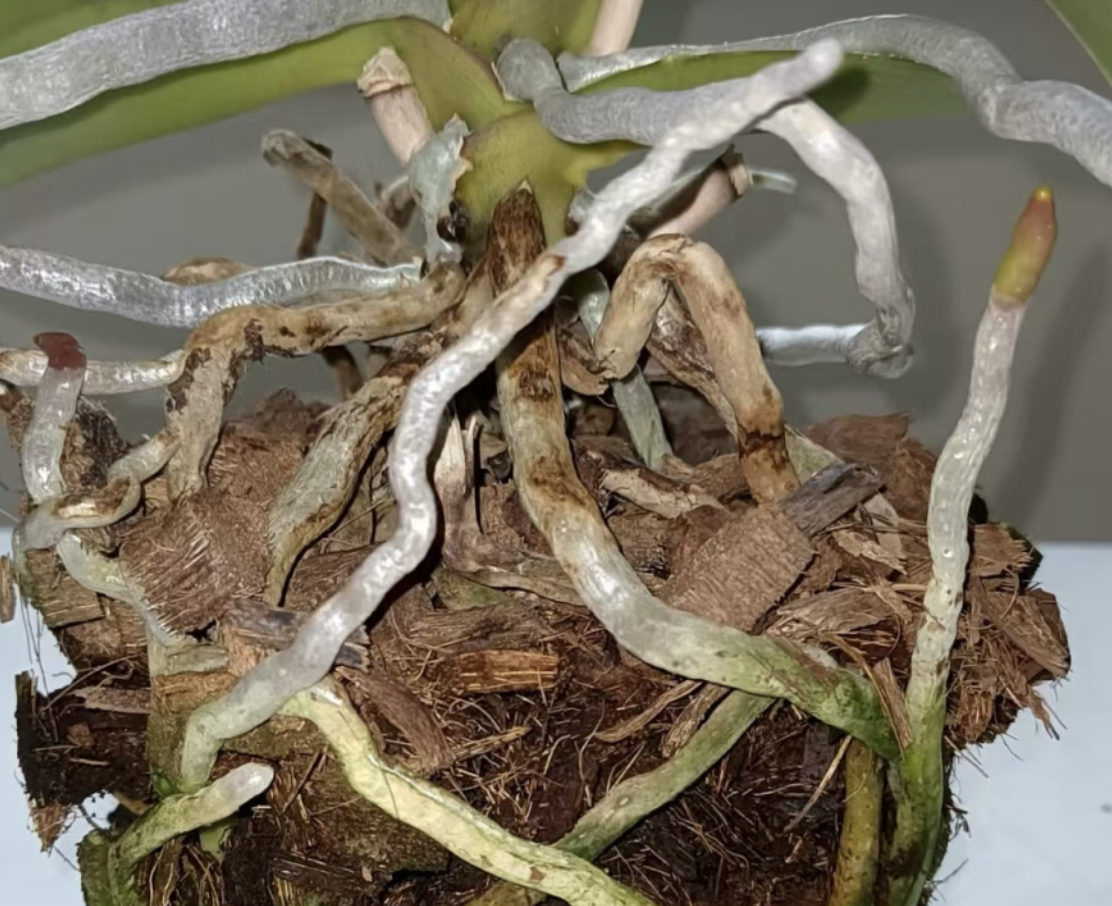
For Phalaenopsis orchids, is local sphagnum moss or Chilean sphagnum moss better? Which are the top three most expensive sphagnum moss varieties?
As we all know, Phalaenopsis orchids have an elegant appearance, and when they bloom, they look like fluttering butterflies — a sight that leaves a lasting
-

Pros and Cons of Domestic vs. Chilean Sphagnum Moss for Phalaenopsis and the Three Most Expensive Varieties
As we all know, Phalaenopsis is elegant in form, and once in bloom it looks like dancing butterflies, leaving a lasting impression. This unique orchid is actually different from ordinary flowers, especially when it comes to potting medium, which needs high air permeability and water retention. If you mistakenly use ordinary garden soil, you may easily kill it. New phalaenopsis growers
-

Chilean cherries enjoy a bumper harvest, market prices plunge
On January 11, 2025, the Port of Nansha in Guangzhou welcomed the largest batch of imported cherries of the 2024-2025 new cherry season. A cargo ship named "Maersk Salat" carrying more than 1,200 containers, weighing 20,000 tons of Chilean cherries, docked
-

Pesticide levels exceed limits in Japanese strawberries and Chilean cherries
On the 15th, the Food and Drug Administration announced a list of 6 border inspection failures, among them a Canadian-imported energy bar, "POWER CRUNCH Whey Protein Crisp Lemon Meringue Pie Flavor," which was found to have excessive sweetener; 69.12 kg was intercepted at the border and destroyed.
-

Is the Chilean Rose Tarantula venomous? A detailed guide to keeping it
The Chilean Rose Tarantula is native to the deserts of Chile. Its body is covered in dark red hairs; it has low environmental demands, is highly adaptable, has a gentle temperament, and is easy to feed, making it especially suitable for beginners. It is also inexpensive and affordable, and even its name is appealing. It is a
-
How to Grow Alstroemeria? A Complete Guide to the Latest Cultivation Methods
Alstroemeria is also known as Chilean lily, Peruvian lily, lily of the Incas, and so on. It is a perennial herbaceous plant of the genus Alstroemeria in the family Alstroemeriaceae, native to Chile, Peru, Brazil, and Argentina in South America and to Mexico in Central America. Its flowers resemble azaleas and also daffodils, while its stems and leaves look like those of lilies.
-
Where is the origin of yacon? A detailed explanation of the main producing regions
Yacon is native to the mid-to-high plateau zone of the Andes Mountains in South America, from north-central Chile to Peru, Ecuador and Bolivia. At present, yacon is produced in Yunnan, Fujian, Guizhou, Shaanxi, Hunan, Hubei and other parts of China, and it has also been introduced and cultivated in countries such as New Zealand and Japan.
-
Is Chile's national flower the red bellflower or something else?
Chile is a country rich in mineral resources, fishery resources and forest resources. Among these, it is the country with the largest copper output and export, and it enjoys the reputation of a copper kingdom. In addition, Chile is also a country with democratic development and press freedom, and its education is highly developed
-
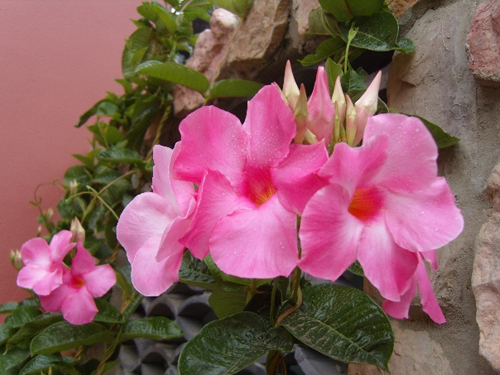
How to grow Mandevilla (also known as Dipladenia, red mandevilla, and Chilean jasmine)
Mandevilla (Dipladenia, red mandevilla, Chilean jasmine) Scientific name: mandevillasanderi Aliases: red wrinkled vine, double gland vine, Dipladenia, red mandevilla, Chilean jasmine Family and genus: Apocynaceae Morphological characteristics: perennial evergreen vine, with slender rhizomes. Leaves opposite, long ovate, apex acute, leathery
-

How to Keep a Chilean Rose Tarantula? Detailed Guide to Care Methods and Precautions
How to Keep a Chilean Rose Tarantula
条件筛选