-

How to Grow Vanda Orchids and How They Differ from Ascocenda Orchids
Vanda orchids are widely distributed across Southeast Asia, Australia and some tropical island nations. Their flowers are beautiful and elegant, and they are not only grown as potted plants but also a favorite of florists for cut flower arrangements. So, what are the methods for growing Vanda orchids? What are the differences between Vanda orchids and Ascocenda orchids? 1
-
What Is the Difference Between Vanda and Ascocenda? Latest Comparison Analysis
Vanda and Ascocenda differ by only one character in their names, and both belong to the orchid family. Are they the same flower? What is the connection between Vanda and Ascocenda? And what are the differences? Just looking at the names can raise so many questions. Below, Qinnong Web will
-
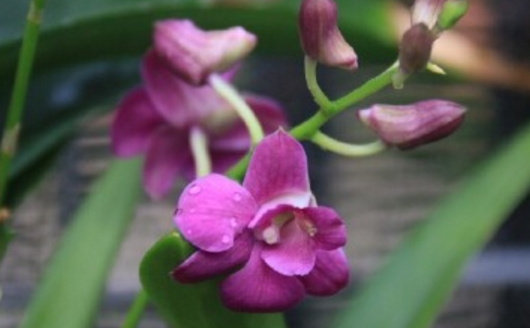
How to Grow Vanda Orchids, How They Differ from Ascocenda Orchids, and What to Do When the Leaves Turn Yellow
Vanda orchids, also known as Vanda, are tropical orchids with a southern charm. So how do you grow Vanda orchids? How do they differ from Ascocenda orchids? What should you do when the leaves turn yellow? According to available information, Vanda orchids are strongly cold-tolerant, poor at resisting heat, prefer dry conditions and dislike water, and still grow well at high temperatures of 35°C. They need relatively little potting medium for cultivation.
-
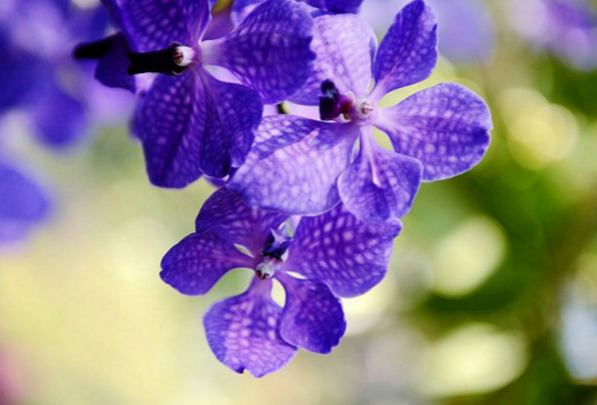
How to grow Vanda orchids? Key care points and how they differ from Ascocenda orchids
Vanda orchids originated in India, and the name refers to orchids that hang from trees. As the national flower of Singapore, they come in a rich variety of cultivars and are a rare powerhouse among orchids. When in bloom, the flowers are robust and bold in form. Key care points for Vanda orchids: what does Vanda care need? Bask in sunlight - the breath of sunshine will make it grow very sturdy
-
-
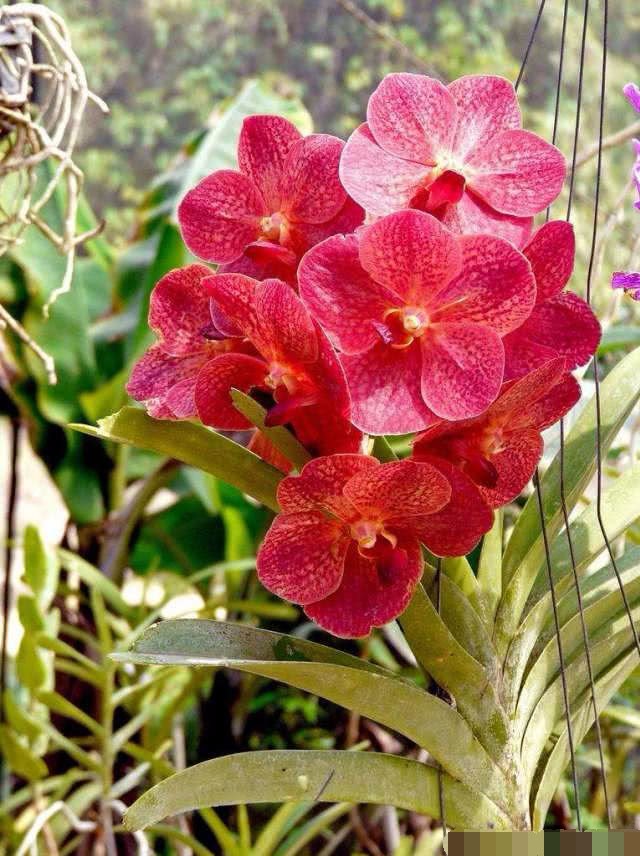
Ascocenda orchids are exceptionally beautiful and highly valued for ornamental purposes.
Ascocenda is a typical epiphytic orchid with a robust, easygoing nature. It is native to Southeast Asia and loves high temperatures. Its flowering season runs from spring to autumn. If grown from a seedling, it takes five years to bloom. Thailand is currently the most successful in cultivating and breeding this genus.
条件筛选