-
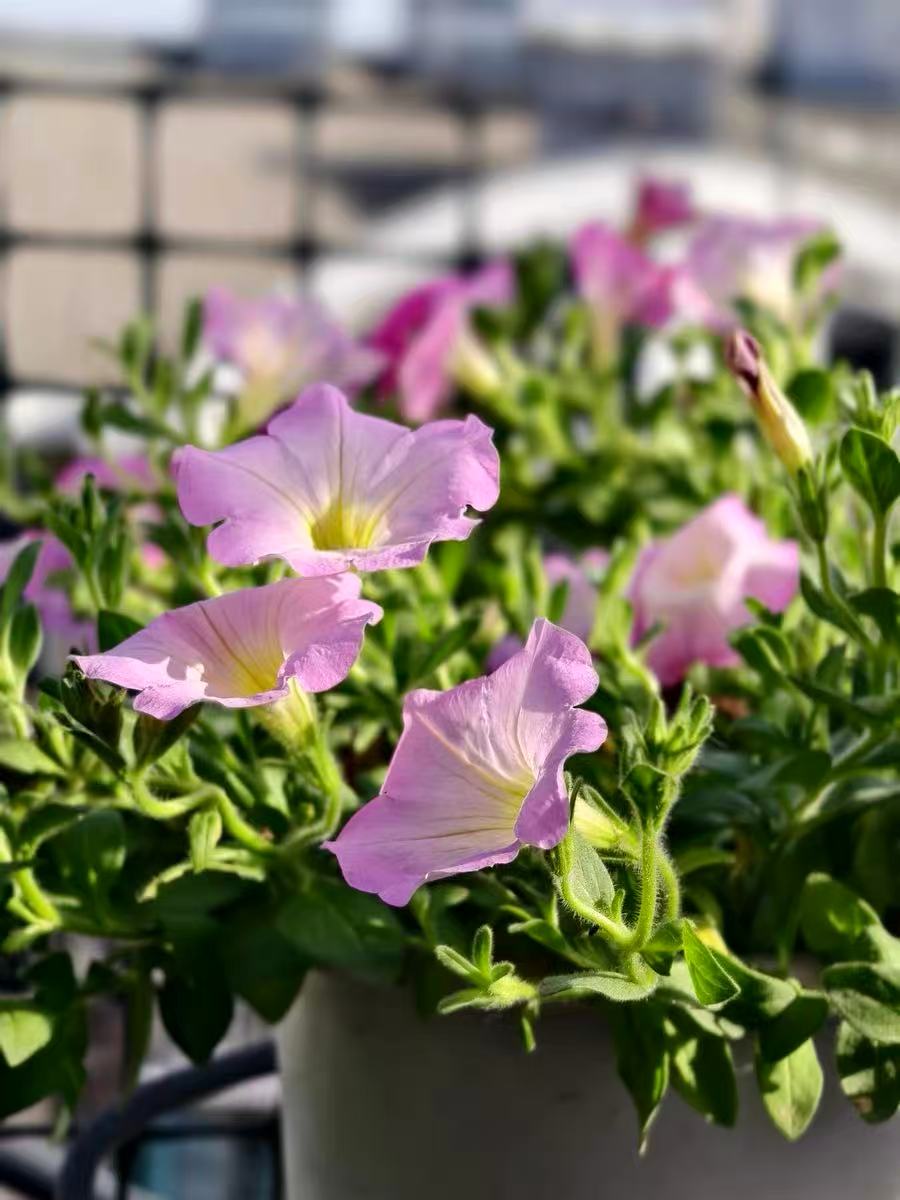
What kind of small flowers are suitable for room windowsills?
The windowsill is the corner of the home closest to sunlight and an ideal place to create a miniature garden. For urban dwellers with limited living space,
-

Is the Phalaenopsis easy to keep alive? Good care and management boost its resistance
The Phalaenopsis is famous for its gorgeous flowers shaped like butterfly wings, and is regarded by many as a symbol of elegance and nobility. Beneath this delicate beauty, for those new to Phalaenopsis, is it actually easy to keep alive? And how can we boost its resistance so that it grows healthily and blooms brightly under our careful care? The Phalaenopsis originates
-

How many types of roots does a Phalaenopsis orchid have? A detailed explanation of root functions
In the vast and diverse world of flowers, beyond its stunning blooms, the Phalaenopsis orchid's root system is equally full of mystery. These roots of varying forms are not only key to the plant's survival but also carry unique biological functions. From appearance and function, Phalaenopsis roots can mainly be divided into aerial roots and underground roots, but as a typical
-

Are all flowers prone to root rot? A rundown of plant varieties that easily suffer root rot
In the world of flower growing, some flowers, though highly attractive, have "fragile" root systems and are prone to root rot with the slightest carelessness. But not all flowers are prone to root rot; whether a flower is prone to root rot is closely related to the plant's own growth habits, root characteristics, as well as environmental factors and care management practices during cultivation
-

How to deal with odorous roots in Phalaenopsis?
During Phalaenopsis care, many flower growers encounter a troubling problem - the roots of Phalaenopsis give off an unpleasant odor. This odor not only affects the indoor environment, but also signals hidden dangers to the plant's health. To effectively solve the problem, you must first identify the root cause of the odor, then "treat the cause accordingly." The most common causes of root odor
-

How does the Phalaenopsis orchid absorb water and nutrients?
The Phalaenopsis orchid, whose flowers resemble butterflies with spread wings, has petals that are mostly broad and round, with colors commonly seen in white, pink, purple and multicolored varieties, and an inflorescence that is slender and graceful, giving it high ornamental value. To keep this delicate and beautiful Phalaenopsis orchid growing healthily, it is crucial to understand its mechanisms for water uptake and nutrient absorption. The unique root system of the Phalaenopsis orchid
-

Which indoor flowering plants can thrive without fertilizer?
In the process of growing flowers, fertilizer is often regarded as the "nutrient" for plant growth, but does that mean flowers cannot be grown well without fertilizer? The answer is no. Even without relying on chemical fertilizers, we can cultivate lush flowers through some clever methods, and at the same time, there are many indoor plants in nature that can grow vigorously without fertilization.
-
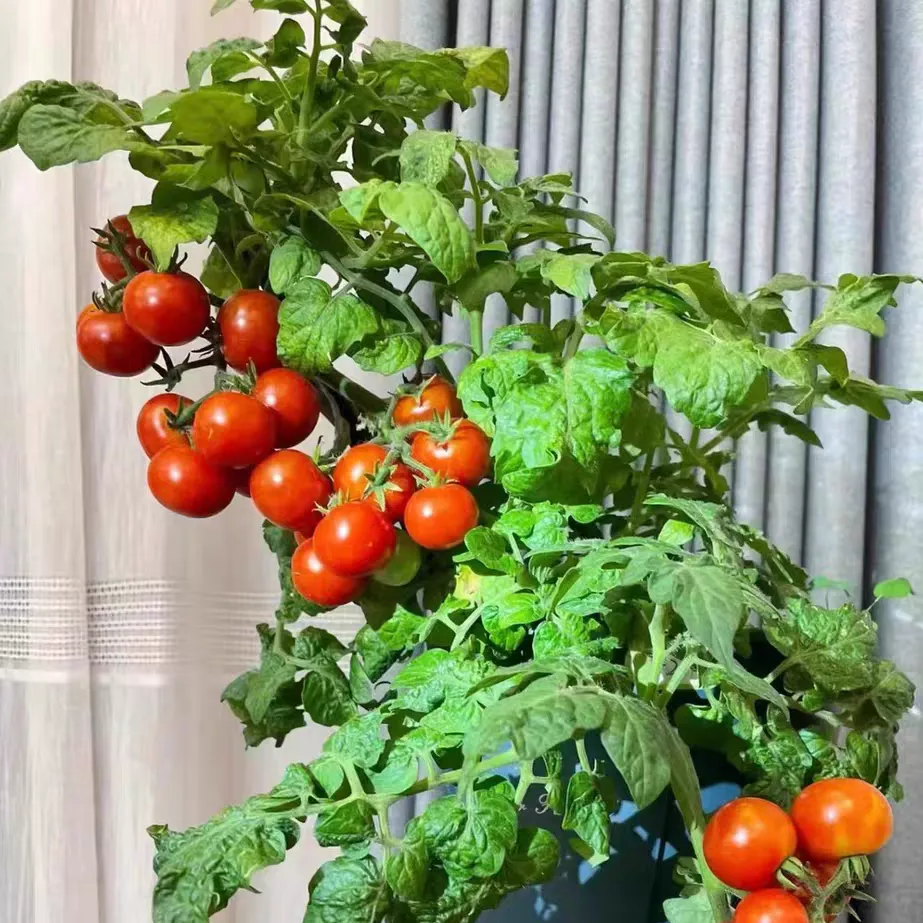
The Differences Between Cherry Tomatoes and Saintly Women Tomatoes (Cherry Tomatoes)
Cherry tomatoes and "Shengnv" tomatoes (a specific type of cherry tomato) both belong to the Solanaceae family and the Lycopersicon genus. Although they are
-
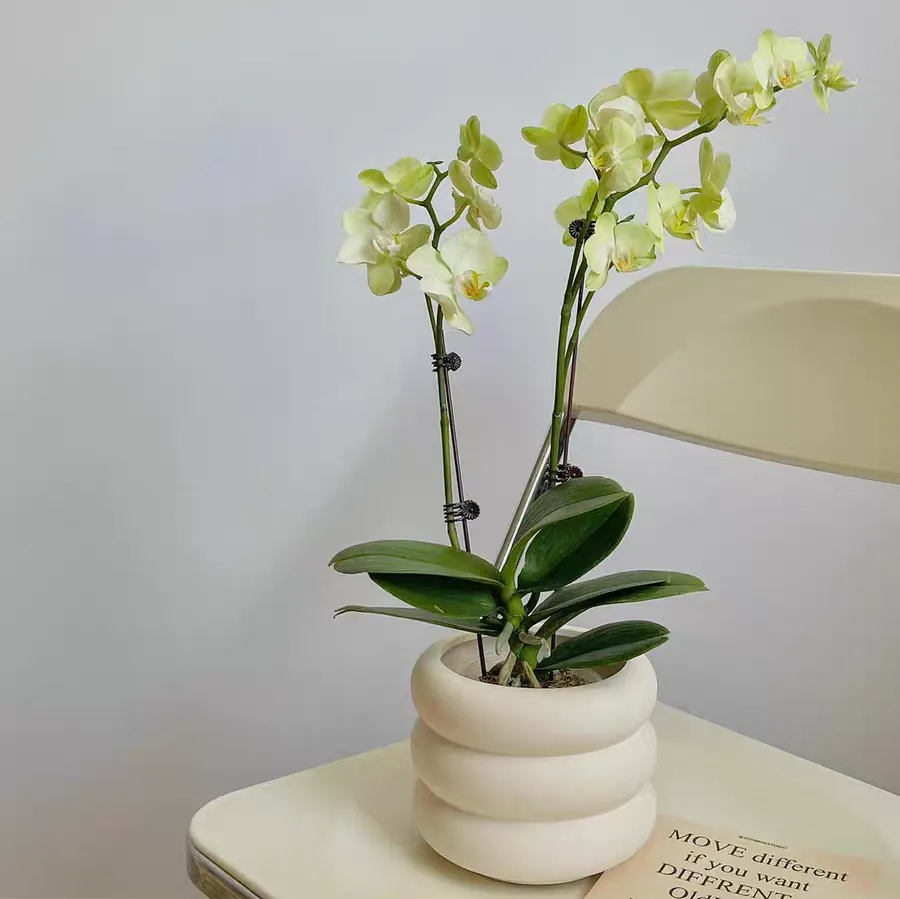
Can withered and yellowed Phalaenopsis (moth orchid) flower buds be saved?
The most frustrating thing about gardening is when the flower buds you've been eagerly anticipating suddenly wilt. Here’s a breakdown of why Phalaenopsis (moth
-
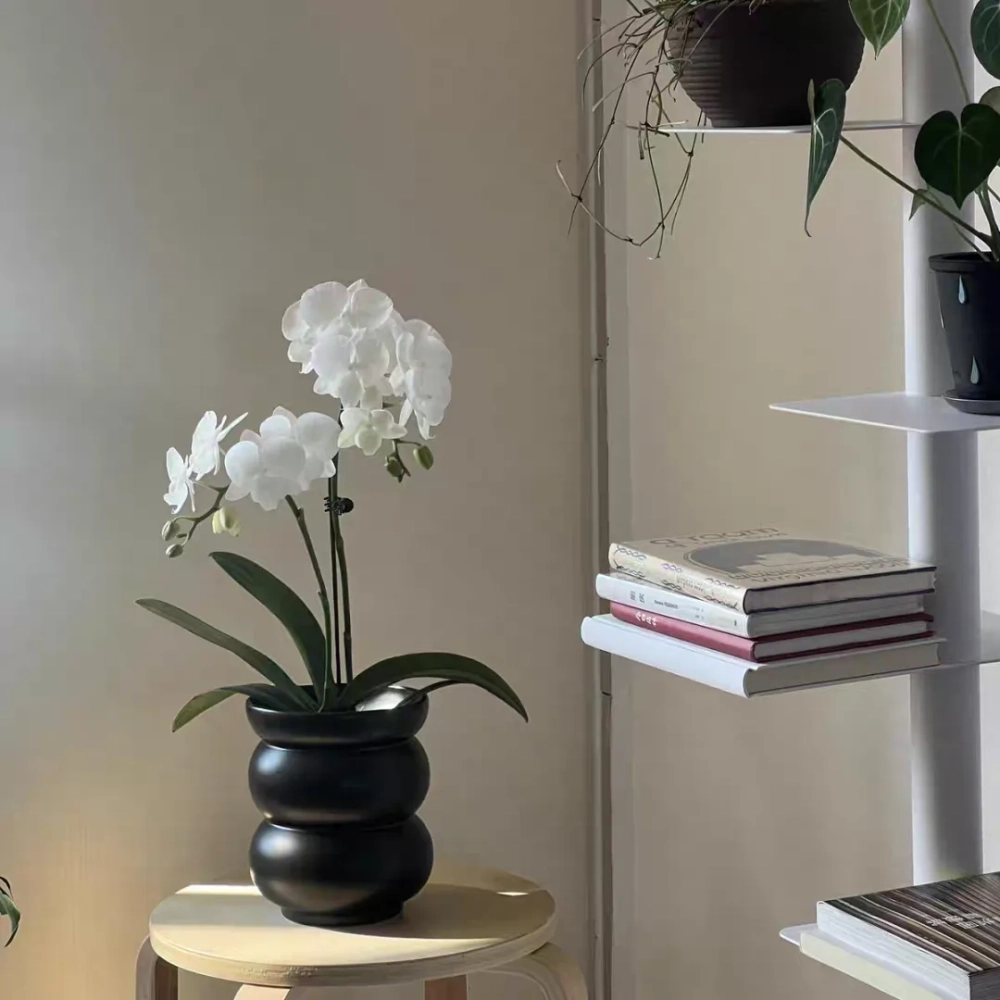
How to cultivate flower spikes after Phalaenopsis (moth orchid) blooms fade
Want your blooming Phalaenopsis (moth orchid) to rebloom? By mastering the right maintenance techniques, you can not only increase the success rate of
条件筛选