-
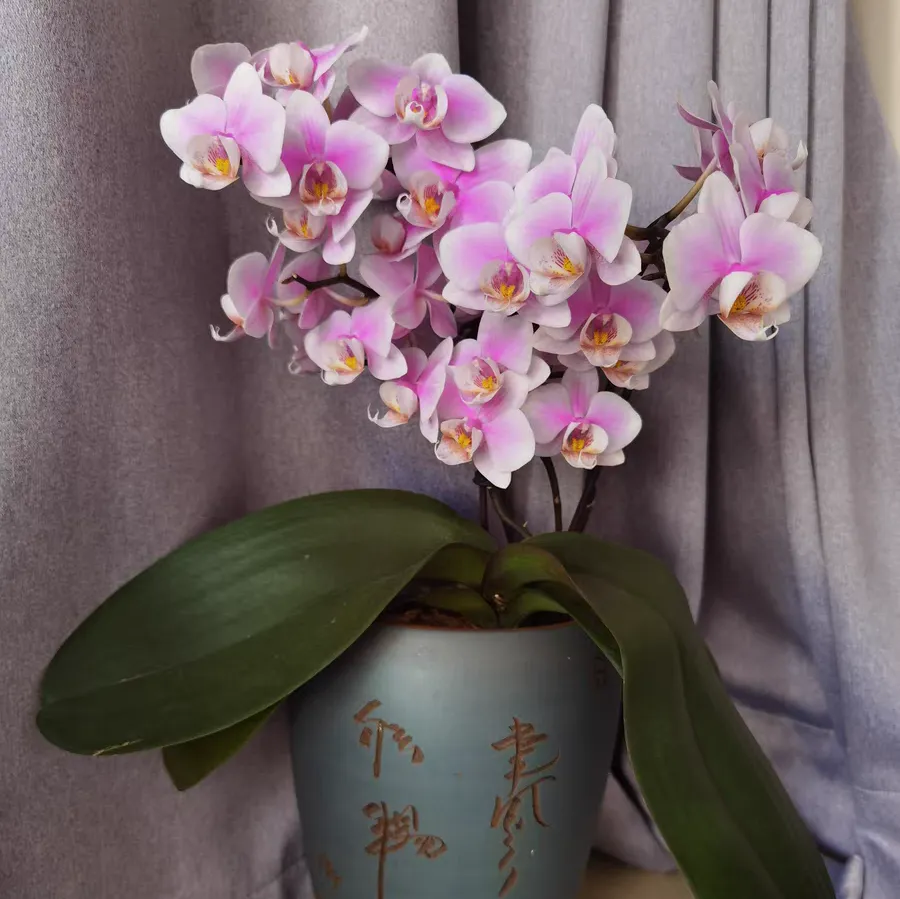
Why do the flower buds of phalaenopsis turn yellow?
When you notice the flower buds of your phalaenopsis orchid turning yellow, it's actually a "distress signal" from the plant. Below are the common causes and
-
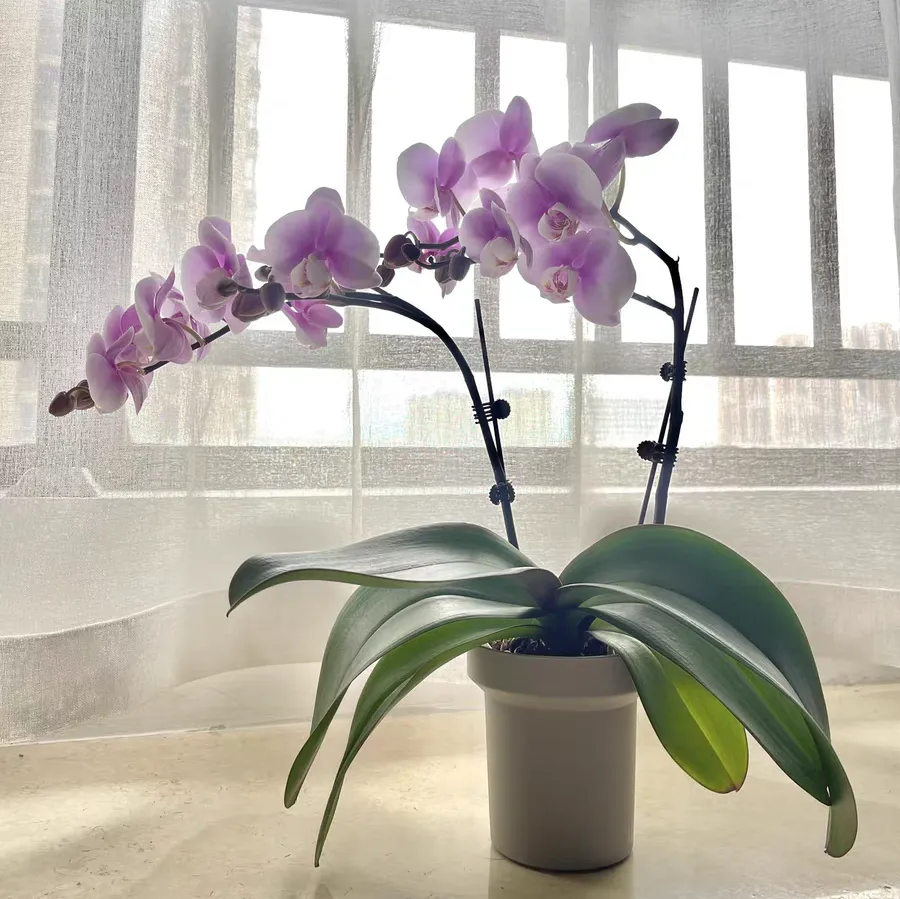
What should I do if the leaves of phalaenopsis turn yellow and fall off after the flowers wither?
Have you often encountered this situation: after the phalaenopsis orchid fades, the leaves start to turn yellow and fall off, which makes you feel very
-
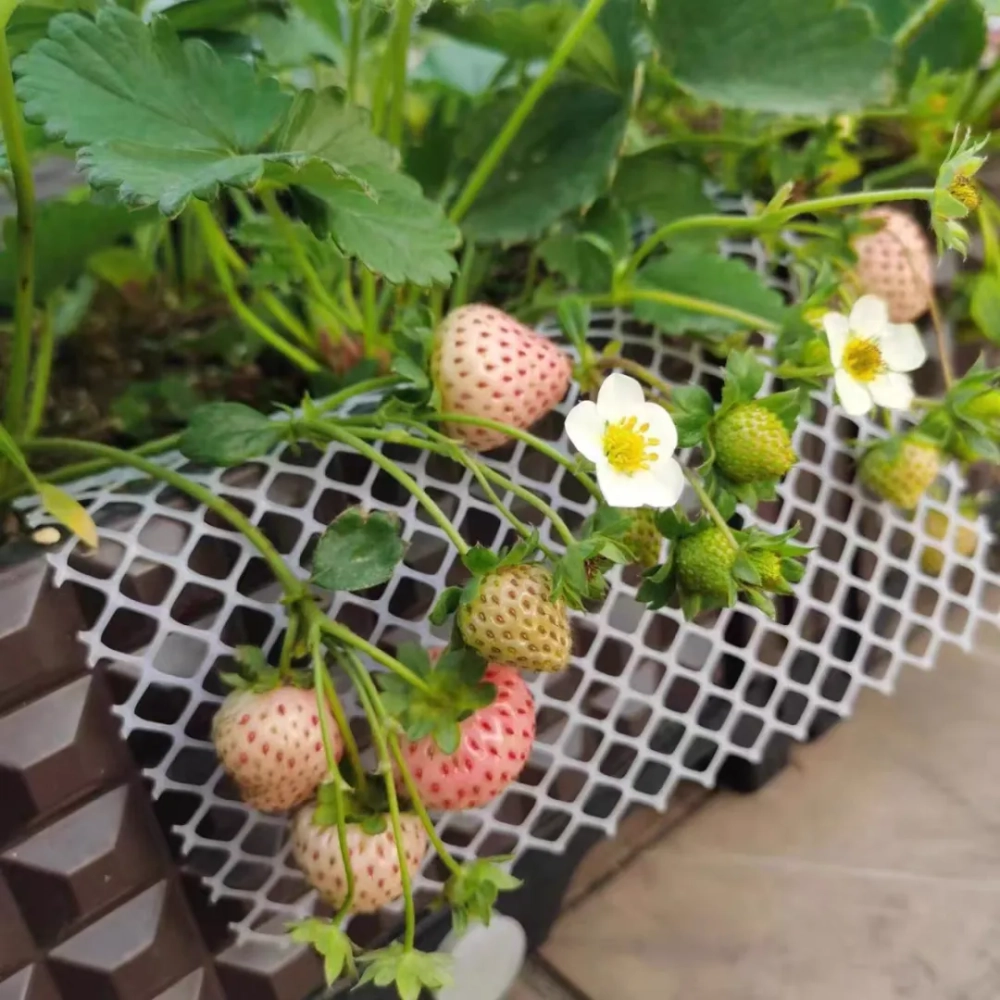
Why do the fruits of strawberries grown on balconies not grow large?
When growing strawberries on a balcony, the problem of small fruit size is often the result of multiple factors. Here’s a detailed breakdown: 1. Excessive
-

The Impact of a Poor-Condition Mother Plant on Phalaenopsis Propagation and How to Solve It
In the propagation of Phalaenopsis orchids, the condition of the mother plant plays a decisive role. If the mother plant used for propagation is in poor condition, it will trigger a series of problems that affect the success rate of propagation and the quality of the new plants. When a Phalaenopsis mother plant is in poor condition, the first thing affected is a significant drop in propagation success rate. The mother plant itself grows poorly, with insufficient nutrient reserves
-

What are the conditions for Phalaenopsis to grow roots? How to promote rooting when there are few roots
The root system of Phalaenopsis is the life center of the plant. These silvery-white aerial roots are not only organs for absorbing water and nutrients, but also a key indicator for judging plant health. Orchid growers are often puzzled by the rooting problems of Phalaenopsis: newly purchased Phalaenopsis does not grow roots for a long time, the roots of old plants gradually wither, and root rot is constant when sphagnum moss seedlings are changed to soil culture.
-

Causes of Water-Soaked Rot on Phalaenopsis Leaves and How to Fix It
During the care of Phalaenopsis (moth orchid), water-soaked rot on the leaves is a common sudden occurrence in home cultivation, and this phenomenon tends to peak in summer and autumn. When translucent water-soaked patches appear at the base or middle of a leaf and rapidly spread into brown rotting areas within 24-48 hours, systematic treatment measures must be taken immediately.
-

Which plants are unsuitable for the bedroom and which flowers affect sleep?
Nowadays, in the pursuit of a comfortable living environment, many people like to place green plants and flowers in the bedroom, hoping to add a touch of nature and beautify the space. However, not all plants are suitable for the bedroom, and some flowers can even affect sleep quality. Only by understanding the characteristics of these plants can you create a healthy and comfortable sleep environment. Night
-
A Detailed Guide to Taboos and the Best Locations for Placing Phalaenopsis Orchids in the Living Room
It is often said that Phalaenopsis orchids symbolize wealth and good fortune, but if you place them in the wrong spot, not only will they fail to grow well, but their symbolic meaning will be greatly diminished. Today, let me share with you a guide to the pitfalls of placing Phalaenopsis orchids in the living room. Follow these tips, and your flowers will bloom abundantly and good fortune will come your way. 1. Missteps to Avoid 1. Do not place them in strong light or dark corners. Phalaenopsis orchids prefer bright, indirect light.
-
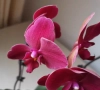
How should you deal with the flower spike of a Phalaenopsis orchid after it finishes blooming? Should you cut it off?
After the blooming period of a Phalaenopsis orchid ends, handling the flower spike and the follow-up care is a technical job. Cut it the right way and it can bloom again; cut it the wrong way and you may end up waiting a whole year in vain. Here are some suggestions. I. Flower spike pruning options 1. Short-term bloom-promoting pruning If you hope for a repeat bloom in the short term, you can keep the healthy stem section on the upper half of the flower spike and cut at the second-to-last
-

Are Cherry Tomatoes the Same as Regular Tomatoes? Understanding the Differences in One Article
Although cherry tomatoes and regular tomatoes are both called tomatoes, they are actually quite different! From the inside out, let's take a closer look. First, the appearance: cherry tomatoes are like cherries, small and delicate, generally about the size of a ping-pong ball, weighing 10-30 grams, with round or oval shapes and especially rich colors - red, yellow, purple
条件筛选