-

Wuhan base sells 400 jin of perilla a day: how to eat it, its benefits, and its growing value
Recently I came across something interesting: a growing base in Wuhan sells nearly 400 jin of perilla every day! The comment section immediately lit up with discussion. Some said, "Other than stir-frying with snails, I have no idea how else to eat it, and there's a dense patch of it right at the door." Others asked, "Besides adding flavor, does this stuff have any other uses?"
-

Before winter arrives, prune your potted plants with these 3 cuts, then fertilize, and next year they will burst into a full pot
"The weather is getting colder and colder. Do my few pots of flowers need pruning? What if I prune them wrong?" Actually, potted plants really do need pruning before winter, but not random pruning. Remember these "3 key cuts." Each cut has its own reason. After pruning, add some fertilizer, and they will get sick less in winter and sprout new shoots directly in early spring! First, let's talk about the first cut - "the cut for spent flowers and dead branches
-
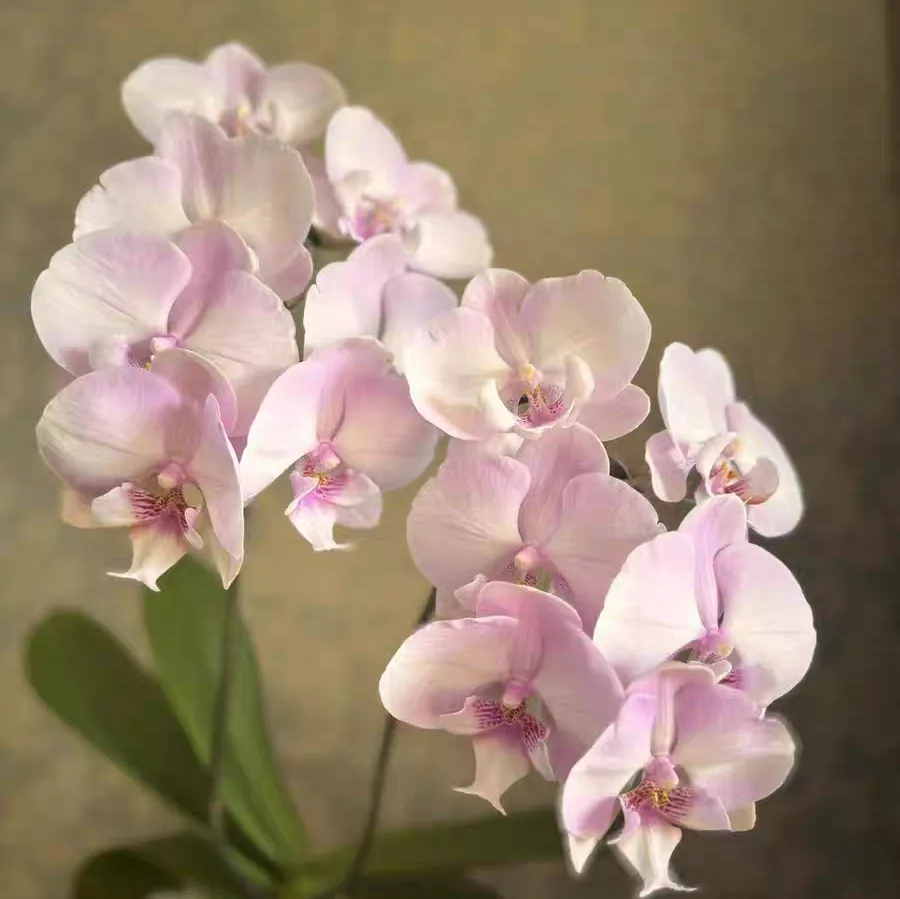
The sphagnum moss used for Phalaenopsis should be replaced after a long time.
Friends who grow Phalaenopsis know that sphagnum moss will become compacted and lose nutrients after being used for a long time. Only by replacing it with
-
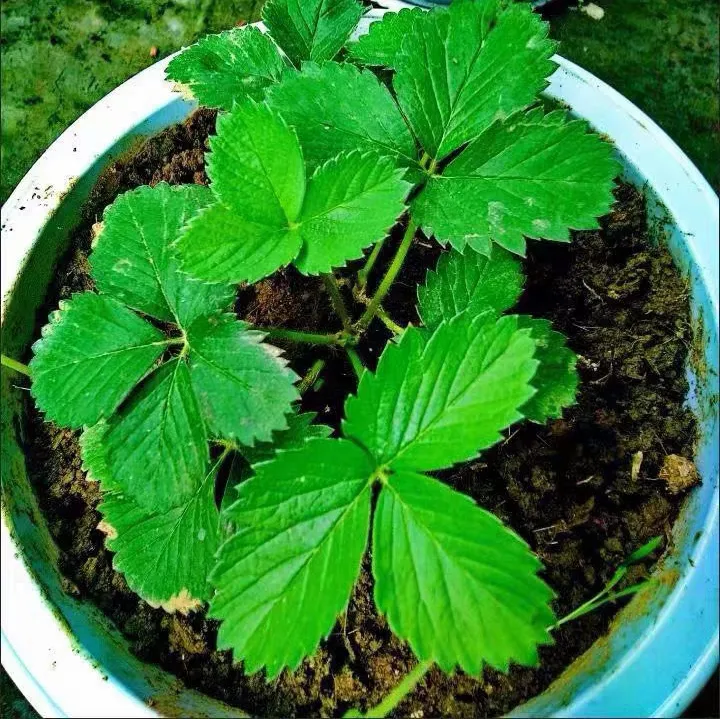
Which crops are cold-tolerant and suitable for small spaces?
As the autumn wind blows, the weather gradually cools down. From September to November, it is the perfect time to create a "small orchard" on the balcony!
-
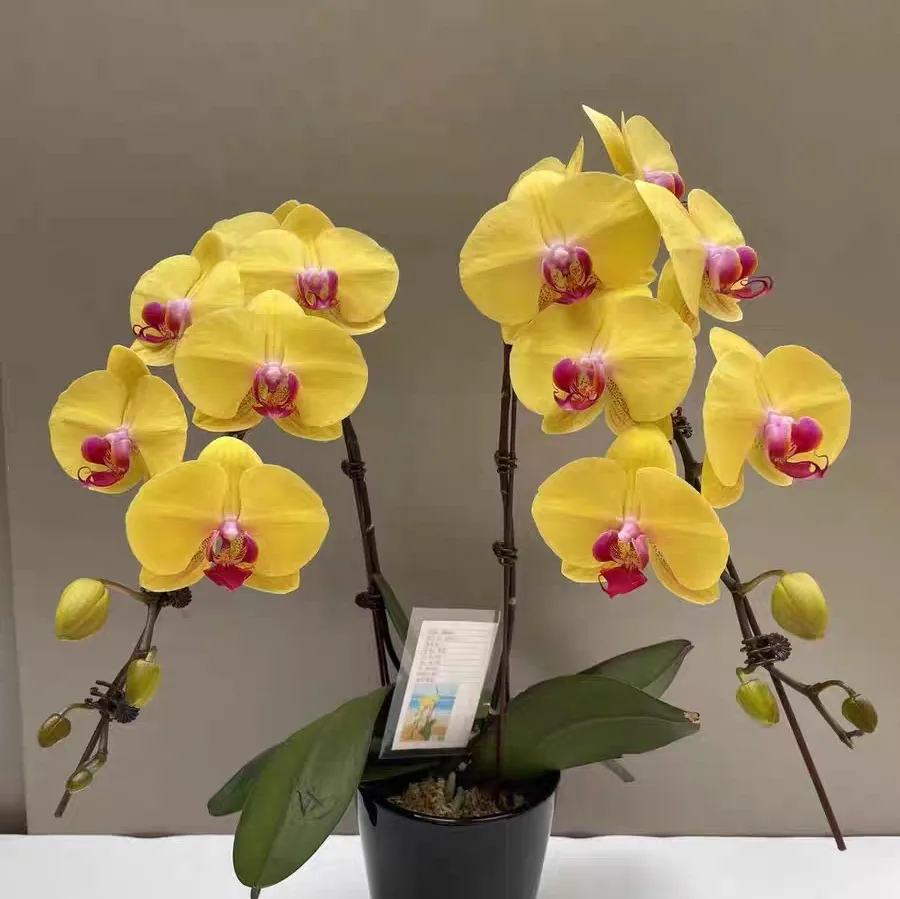
What should I do if the roots of Phalaenopsis rot after repotting?
I believe many friends who grow Phalaenopsis have encountered the annoying problem of root rot after repotting. They intended to provide the plant with a
-
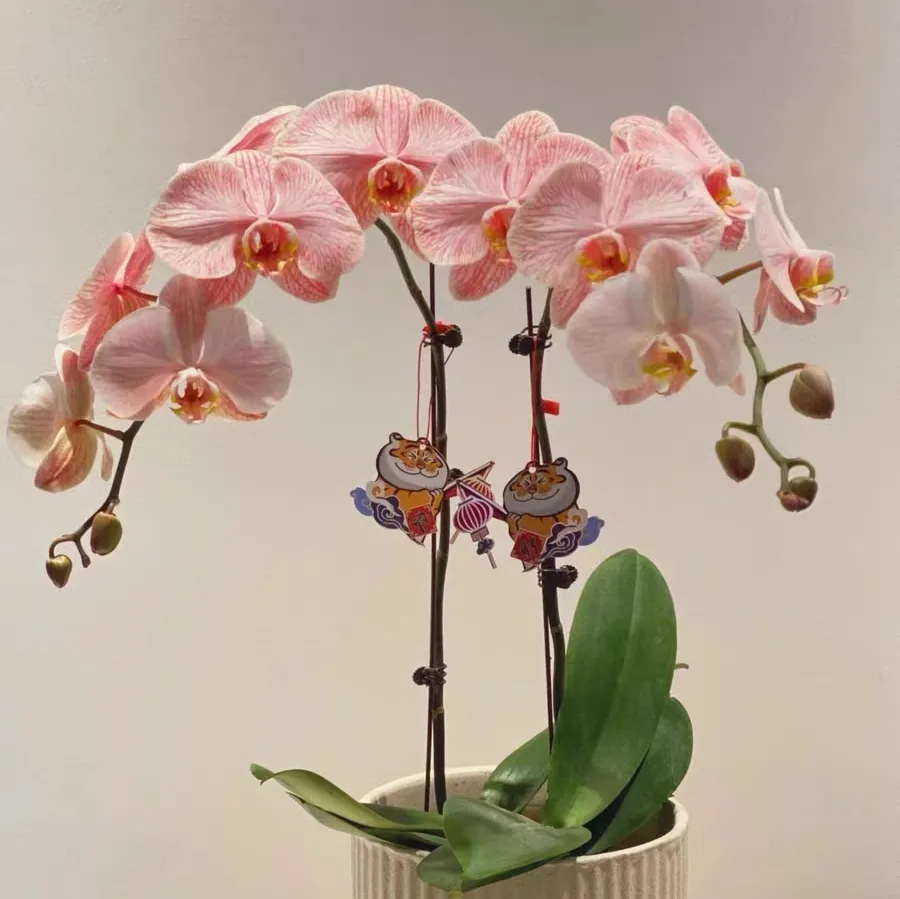
What are the tips for hydroponic acclimatization of Phalaenopsis?
Many flower enthusiasts want to try hydroponic Phalaenopsis, thinking it's clean and easy to care for. However, hydroponics isn't just about moving a
-
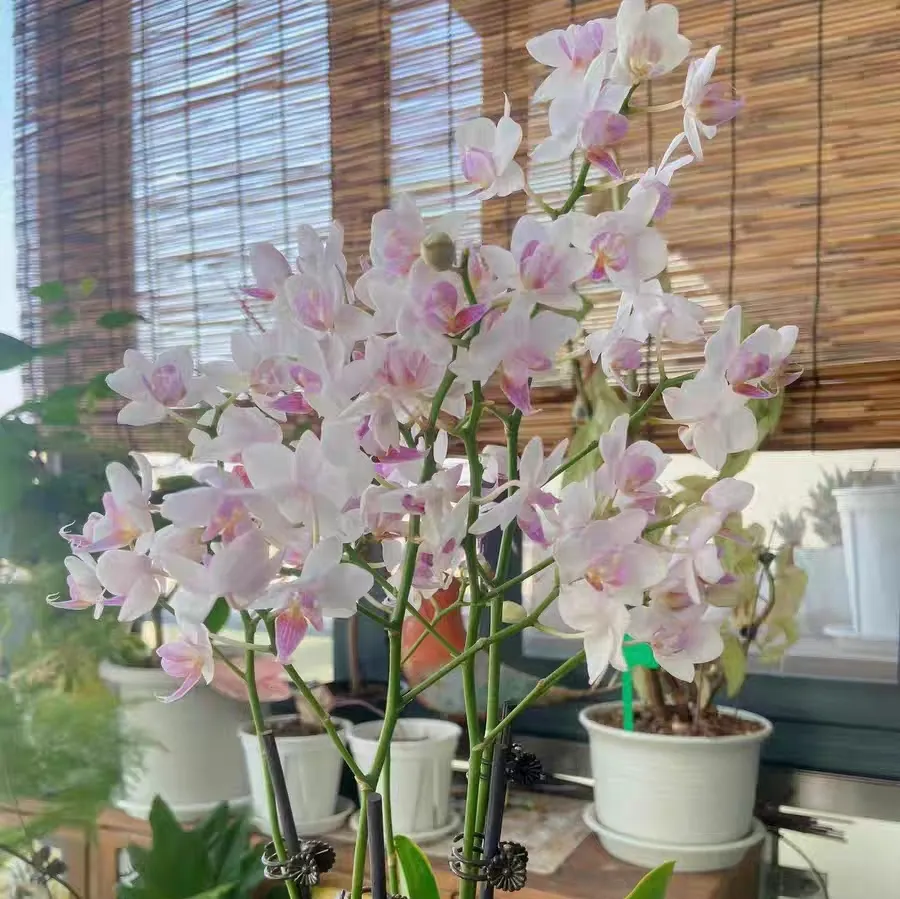
Phalaenopsis in semi-hydroponic culture is prone to root rot.
When it comes to "lazy people's blessings" in Phalaenopsis care, semi-hydroponics is definitely one of them! You don't need to struggle to remove old growing
-
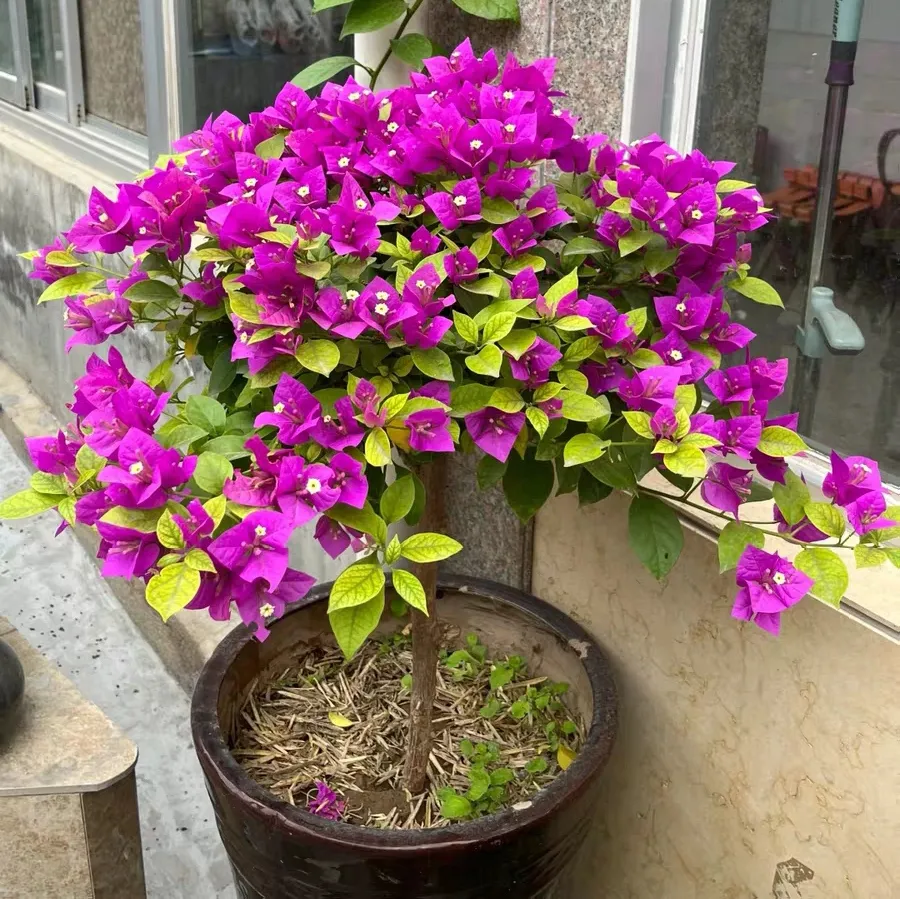
How to care for old bougainvillea plants to make them bloom more?
Gardeners who grow bougainvillea know that once an old bougainvillea plant is well-cared for, it will be in full bloom with flowers all over the branches,
-
Phalaenopsis hydroponic acclimation tips and precautions for removing from pot and washing roots
Many gardening enthusiasts want to try hydroponic Phalaenopsis, thinking it is clean and easy to care for, but hydroponics is not simply moving a soil-grown plant into water. The roots must first adapt to the water environment, which is called "acclimation." This process is not hard to grasp; the key lies in the steps of removing from the pot and washing the roots, pruning and disinfecting, and water control adaptation. Done well, the Phalaenopsis can
-
When growing Phalaenopsis (moth orchid) semi-hydroponically, water along the edge of the pot to prevent root rot; how should the watering frequency be set?
If there is a "lazy person's blessing" in Phalaenopsis care, semi-hydroponics definitely counts as one! You do not need to painstakingly remove the old potting medium, nor do you need to repot frequently, and the Phalaenopsis can still grow vigorously, making it especially suitable for beginners who dislike hassle. How exactly do you do it? It can be done in just a few steps, so let's go through it slowly. First, prepare these materials, all of which are common household items: none
条件筛选