-
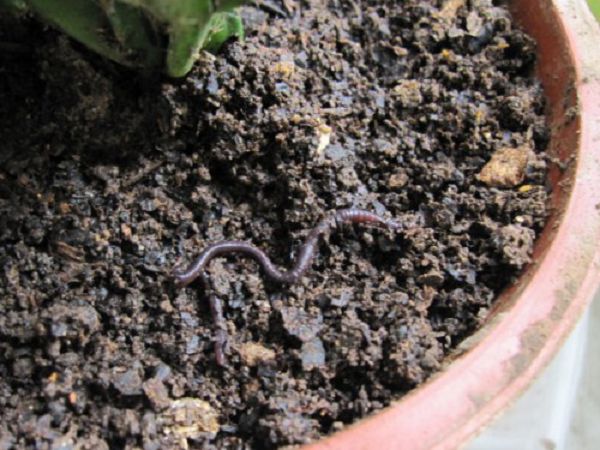
What to Do About Earthworms in Potted Plants? Practical Solutions to Share
What should you do if there are earthworms in your potted plants?
-

What are the control methods for the box tree webworm (Glyphodes perspectalis)?
It damages boxwood, boxwood (Buxus sinica), large-leaved boxwood, small-leaved boxwood, Japanese boxwood, spoon-leaved boxwood, Korean boxwood, holly and others. The larvae spin silk to bind leaves together and make nests, damaging the host plants. The damaged leaves first show yellow dead spots, and later the entire leaf falls off. They spin silk to bind the leaves and the damaged fallen leaves together, so that the leaves cannot spread out and growth and development are severely affected; when the damage is severe, the whole plant dies. In Shanghai it has 3 to 4 generations a year, with serious overlapping of generations; it becomes active in March of the following year, begins pupating in mid-April, begins emerging in late April, and the first generation
-
What are the occurrence patterns of the black-spotted inchworm on black locust
Occurrence patterns of the black-spotted inchworm on black locust: it has 4 generations a year and overwinters as pupae in the surface soil. In early April of the following year, eclosion begins, followed by mating and egg laying; the egg stage lasts 15 days, and the larval stage about 25 days. In early May, the larvae begin to enter the soil to pupate; the pupal stage lasts about 10 days, after which the first-generation adults emerge, with an adult lifespan of about 5 days. Second-generation adults appear in early to mid-July. Third-generation adults appear in mid-to-late August, and the larvae of the last generation cause damage until mid-September, after which they mature, enter the soil, and pupate to overwinter. Eggs are laid in the cracks of rough bark below 2 m on the tree trunk base, piled into masses and covered with gray down. Newly hatched
-
What are the control methods for the Euonymus looper (large-leaf Euonymus inchworm)?
Occurrence pattern: The large-leaf Euonymus looper damages plants by the larvae feeding on leaves. It has three generations in Hunan. The overwintering generation adults emerge and lay eggs in mid-April, damage begins in late April, they successively enter the soil to pupate in late May, emerge in mid-June, the second generation causes damage in late June, enters the soil to pupate in early August, emerges in mid-August, and the third generation causes damage in late August. The most severe damage is caused by the first and second generations. Damage is most severe in seasons with mild climate and abundant rainfall. During the peak damage period, 2 to 3 days can strip all the leaves from the whole plant, leaving the plant bare. In
-
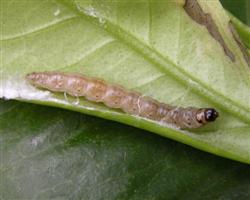
How to control cotton bollworm in chrysanthemum cultivation?
How to control cotton bollworm when growing chrysanthemums? Please allow me to introduce the cotton bollworm on chrysanthemums: it damages the tender leaves and tender shoot tips of chrysanthemums, and after growing larger it bores into the tender buds and flowers to cause damage; in severe cases it can destroy large numbers of flower buds, so that they fail to bloom or form deformed flowers. Control methods: use Jiaduo frequency-vibration insect-killing lamps to kill adults, reducing the amount of eggs laid in the field...
条件筛选