-

Control Methods for Downy Mildew in Isatis indigotica (Dyer's Woad) Cultivation
Symptoms: On diseased leaves, yellowish-white lesions with rather indistinct edges appear on the leaf surface, gradually enlarge, and, constrained by the leaf veins, become polygonal or irregular in shape. On the corresponding underside grows a layer of grayish-white downy mildew-like substance, namely the pathogen's sporangiophores and sporangia exposed outside the host body.
-
Isatis Root Planting Methods and Technical Key Points
Isatis root, also known as woad and indigo, is a cruciferous herbaceous plant and a traditional precious Chinese medicinal material. Both the root and leaves are used medicinally; the root is called "isatis root" and the leaves are called "da qing ye" (woad leaves). Annual demand is very large; according to a national market survey, the annual demand for isatis root is about 4 million
-
When is the best time to plant Isatis indigotica (woad)?
Isatis indigotica is not only the abbreviated name of a common cold medicine in our daily life, it is also a plant. If you want to grow Isatis indigotica, when is the best time? What are its planting methods? 1. Planting time of Isatis indigotica. Isatis indigotica can be planted in early spring, spring, summer and autumn.
-
You can grow Banlangen (Isatis indigotica, woad) in a pot at home, and it works well for preventing colds.
Banlangen can clear heat and relieve cough, eliminate phlegm and remove toxins, making it a practical medicinal herb. It can not only treat and prevent colds, but also prevent mouth ulcers caused by bacteria, treat oral bacterial diseases, and at the same time prevent hepatitis bacterial infection. We can
-
Medicinal Isatis indigotica (woad) seed price per jin, plus investment per mu and cultivation techniques
Isatis indigotica (indigo root, blue indigo root, Isatis root) is a Chinese medicinal herb. It is the dried root of the cruciferous plant Isatis indigotica (woad), usually dug up in autumn and processed before use as medicine. It is produced throughout China. So how much does its seed cost per jin? Roughly how much is the investment per mu?
-
The Latest Planting Methods and Cultivation Techniques of Qingdai Explained
Qingdai, also known as woad (Isatis indigotica), blue dew, Baphicacanthus cusia, Polygonum tinctorium, etc., is a plant of the Polygonaceae family. Qingdai is also an excellent traditional Chinese medicinal herb, often used for clearing heat and detoxifying, cooling the blood and reducing spots, and purging fire and calming fright. Of course, it also has certain industrial uses and can be used for printing and dyeing; its
-
The latest tutorial on planting techniques and methods for Isatis indigotica (woad)
Isatis indigotica has no great requirements for soil in its growth habits; basically it can be successfully planted in ordinary soil. It is tolerant of severe cold and prefers warmth, but fears waterlogging, and can grow normally in the Yangtze River basin and the vast northern regions of China. Isatis indigotica is propagated by seed, with spring sowing and summer sowing.
-
How to grow Isatis indigotica (woad) for high yields? Detailed cultivation methods
High-yield cultivation methods for Isatis indigotica
-
How to grow Isatis indigotica (woad)? Master these planting key points
Key points for growing Isatis indigotica
-
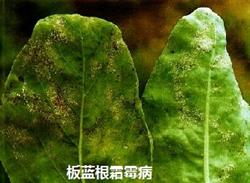
What are the common autumn diseases in Isatis indigotica (woad) cultivation?
What diseases affect Isatis indigotica (woad) in autumn? Please explain and give control methods. Autumn is a period of frequent disease outbreaks in Isatis indigotica, such as downy mildew, root rot, and sclerotinia rot. The following control methods are provided for reference: Downy mildew damages the leaves. The leaves on the lower part of the plant near the ground are affected first, then it gradually spreads to the upper leaves. Once affected...
条件筛选