-
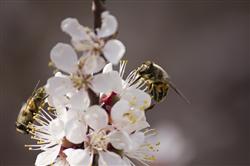
What precautions should be taken when using abamectin?
What should be noted when using abamectin? Please give guidance. The following points should be noted when applying abamectin: 1. Abamectin is toxic to bees, and must not be used on flowering crops during the honey-gathering period of bees. 2. Abamectin is sensitive to aquatic plankton, and this agent should not be used to pollute fish ponds and rivers. 3...
-
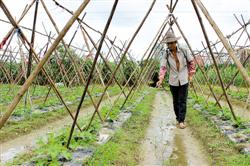
What precautions should be taken when using glyphosate?
What should be noted when applying glyphosate? Please provide guidance. When applying glyphosate, note the following: 1. Glyphosate is a non-selective herbicide; when spraying, never let it contaminate crops, to avoid herbicide damage. 2. For perennial vicious weeds such as cogon grass (Imperata cylindrica) and purple nutsedge (Cyperus rotundus), apply a second dose 1 month after the first application to...
-
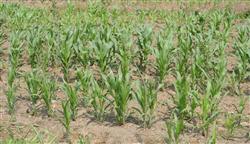
What precautions should be taken when using glyphosate for weed control in corn fields?
What should be noted when using glyphosate for weed control in corn fields? Please explain that glyphosate is a systemic herbicide. When used for weed control in corn fields, if used improperly, it can cause harm to corn, mainly for the following reasons: First, a lack of understanding of the properties of glyphosate; glyphosate is a systemic herbicide...
-
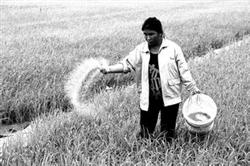
What should be noted when applying nitrogen fertilizer? A detailed explanation of the key points for using various types of nitrogen fertilizer
What should be noted when applying various nitrogen fertilizers? Please introduce the following points to note when applying various nitrogen fertilizers: 1. Ammonium nitrogen fertilizers should not be mixed with alkaline fertilizers. After mixed application, ammonia gas will volatilize, reducing the fertilizer effect. 2. Ammonium bicarbonate should not be broadcast. Ammonium bicarbonate is extremely unstable in nature, and after being broadcast on the soil surface, under...
-
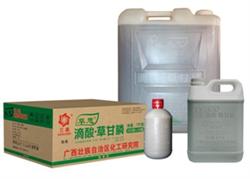
What precautions should be taken when using glyphosate for weed control?
What should be noted when using glyphosate for weed control? Please give an introduction. When using glyphosate herbicide, read the instructions carefully and thoroughly, because glyphosate herbicide is a systemic, broad-spectrum, non-selective herbicide that mainly inhibits enolpyruvyl shikimate phosphate synthase in plants, thereby inhibiting the conversion of shikimate to shikimic acid, prephenic acid...
-
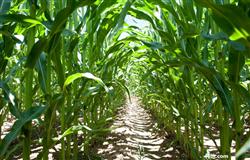
What should be noted when using chemical herbicides in corn fields?
What should be noted when using chemical herbicides in corn fields? Please advise on the following issues to note when using chemical herbicides in corn fields: 1. Improper selection of variety. Different herbicide varieties have different control effects on weeds. Some farmers do not understand chemical herbicides and mistakenly believe some casual claims, thinking that any herbicide can control weeds, result...
-
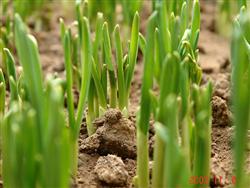
What precautions should be taken when using herbicides in farmland?
How should herbicides be applied to chive seedlings? Please advise. Chives are relatively sensitive to acetochlor, so acetochlor should not be used for soil-closure treatment. After sowing chives and before emergence, prometryn, pendimethalin, and butralin can be used for soil-closure treatment. Among them, prometryn is mainly used to control broadleaf weeds, while pendimethalin and butralin...
-
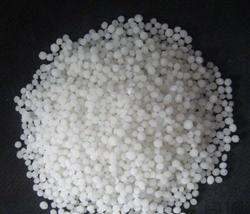
What should be noted when using urea?
How is urea applied? Here is an introduction to the field application methods of urea: it can be used as a base fertilizer and as a top dressing, but is not suitable as a seed fertilizer. When urea is used as a base fertilizer, two points should be noted. First, it should be applied deeply and covered with soil; do not irrigate immediately after application, to prevent the urea from leaching into deeper layers. When urea is used as a base fertilizer on dryland, be sure to apply...
-
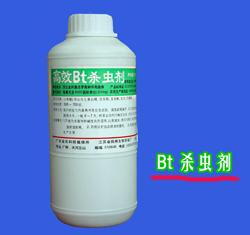
Four points to note when using Bt insecticides
Bt is a bacterial insecticide, belonging to a variety of the Bacillus thuringiensis group, and is very effective against lepidopteran larvae. When using it, pay attention to the following issues: 1. First, pay attention to the quality of Bt. Generally, it is required to contain more than 10 billion spores per milliliter (or per gram), and the application concentration is 500-700 times. If the product...
-
Five misconceptions to avoid when using plant growth regulators
Organophosphate insecticides are the most widely used and highest-volume class of insecticides in China, with many varieties and vastly differing properties, but taken together they have the following characteristics: (1) A relatively broad insecticidal spectrum. The organophosphate insecticide varieties commonly used today can control many agricultural and forestry pests, and some can be used to control public health pests...
条件筛选