-
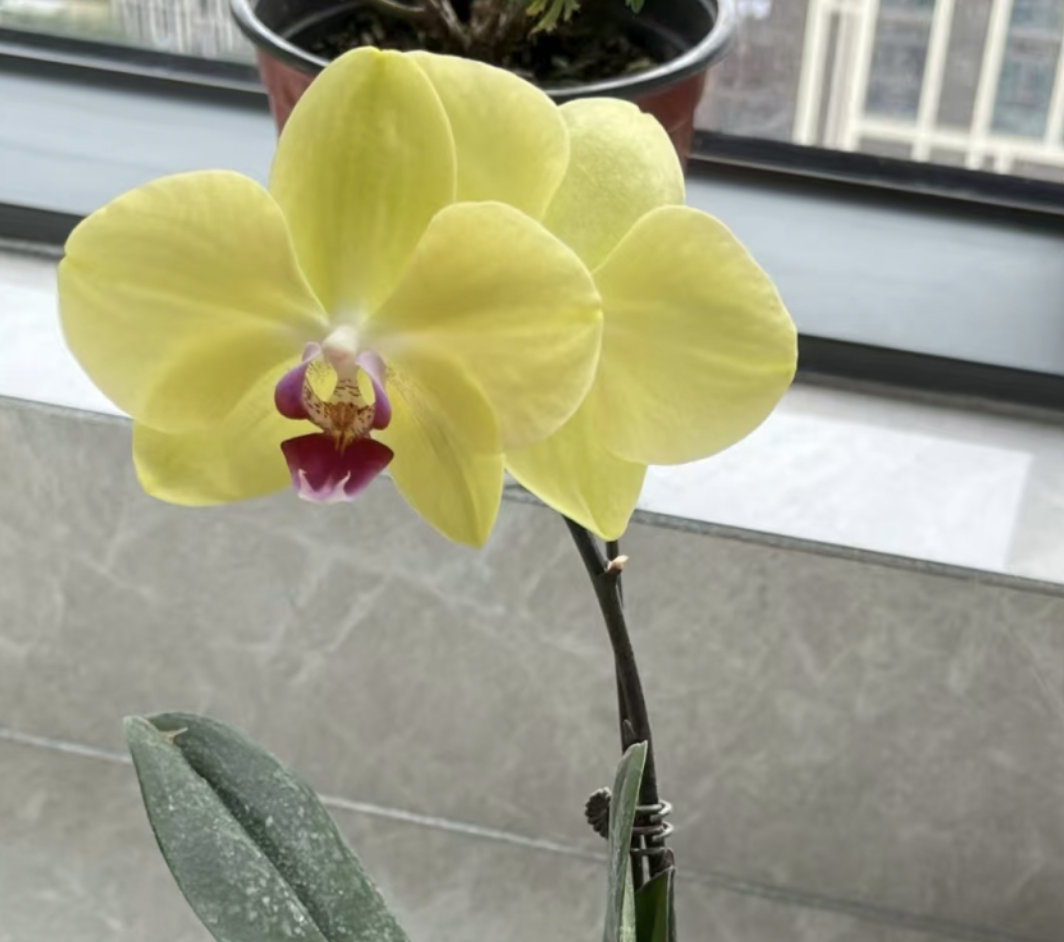
How and when is the best time to repot a Phalaenopsis orchid? What are the biggest mistakes to avoid when repotting?
If you want your plants to thrive, you need more than just regular watering, proper sunlight, and fertilizer — you also have to “give them a new home” from
-
When does a Phalaenopsis need repotting? Repotting time and method
When growing Phalaenopsis, repotting is a key step that affects their growth and flowering. To judge whether repotting is needed, you can observe three aspects comprehensively: the root system, the potting medium, and the growth performance. At the same time, managing the details before and after repotting is what keeps the plant in a vigorous state at all times. 1. Root system condition - root explosion phenomenon: when the roots are densely tangled inside the pot
-
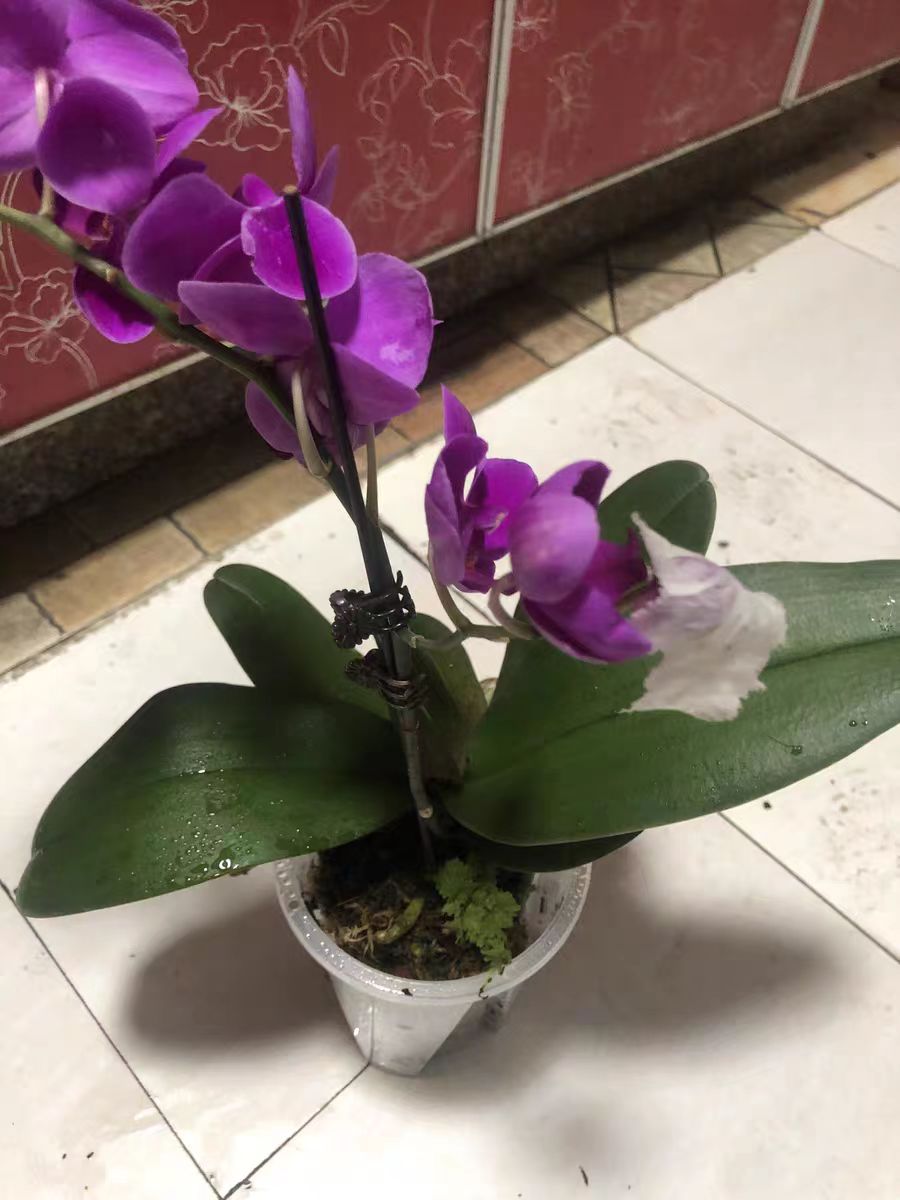
Should the original sphagnum moss be removed when repotting young Phalaenopsis seedlings?
Many flower enthusiasts feel confused when repotting young Phalaenopsis seedlings: should the original sphagnum moss be removed? How to repot them to ensure
-

Should the original sphagnum moss be removed when repotting Phalaenopsis seedlings? A detailed guide to the potting method
Many flower lovers who grow Phalaenopsis seedlings get worried when it comes to repotting: should the original sphagnum moss be removed? How should you pot them so the seedlings survive well? Here are the key points straight away. Should the original sphagnum moss be removed or not? The answer is it must be removed, but not all of it! Phalaenopsis is an aerial-root plant, and in its native environment it relies on loose
-

When repotting a Phalaenopsis, should the nutrient cup be removed or buried together with it in the new pot?
When buying or cultivating Phalaenopsis, the nutrient cup is a common growing container. When repotting a Phalaenopsis, should the nutrient cup be removed? Can the nutrient cup be buried in the new pot together with the plant? Handling the nutrient cup correctly is crucial to the Phalaenopsis's subsequent growth, and this involves the rules of plant root growth and care
-

Should You Use Carbendazim When Repotting Phalaenopsis? Care Tips After Repotting
As a highly ornamental flowering plant, the Phalaenopsis (moth orchid) requires repotting as an important part of its care routine. During repotting, whether or not to use carbendazim affects the health of the plant, and the care given after repotting is the key to whether the Phalaenopsis can successfully adjust to its new pot and continue growing. Carbendazim is a broad-spectrum fungicide that can effectively inhibit
-
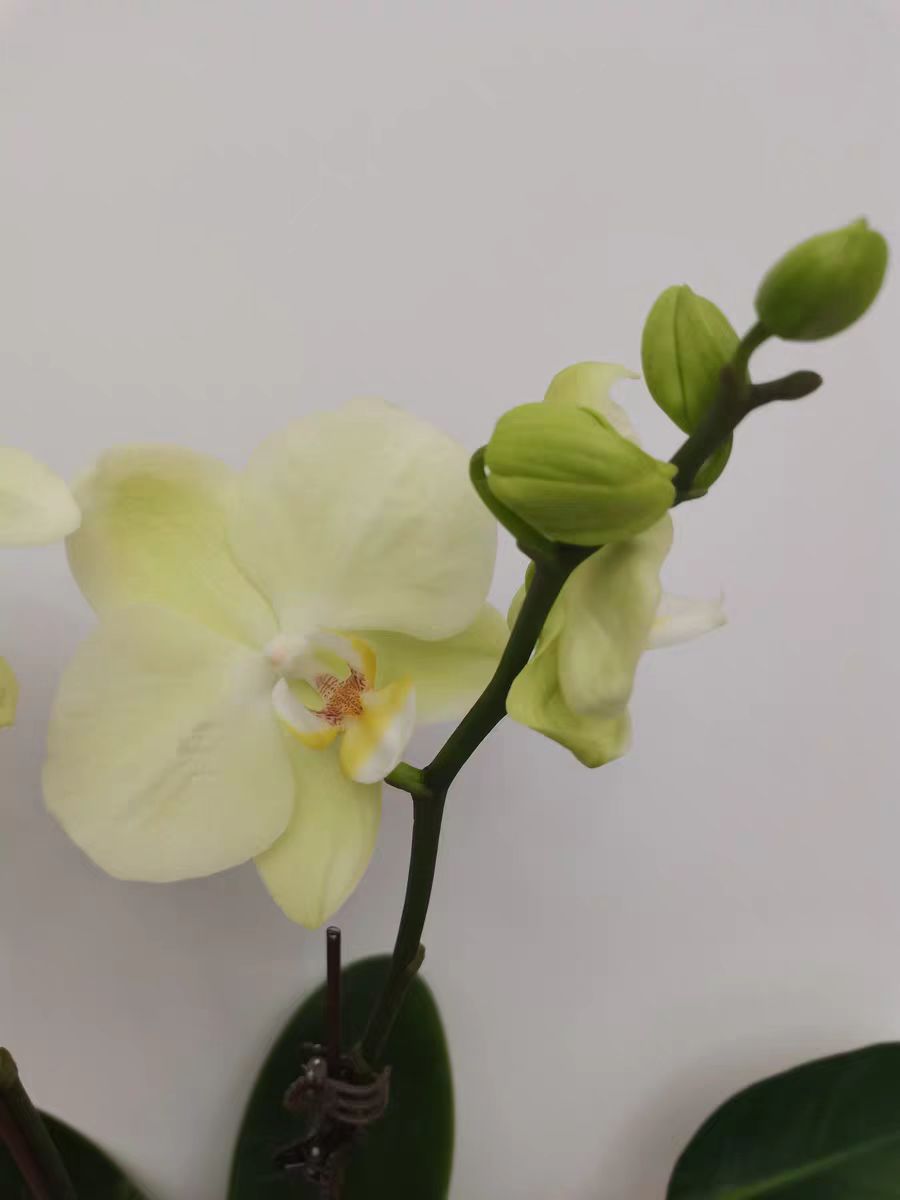
Should Carbendazim be Used When Repotting Phalaenopsis?
Phalaenopsis, a flower of great ornamental value, requires repotting as an important part of its maintenance. During the repotting process, whether to use
-

When Does a Phalaenopsis Orchid Need Repotting? How to Choose the Potting Medium
To keep a Phalaenopsis orchid growing healthily and blooming beautifully, timely repotting and choosing the right potting medium are crucial. Next, let's take a closer look at when a Phalaenopsis orchid needs repotting and what potting medium to use when repotting. Situations in which a Phalaenopsis orchid needs repotting: Growing period: generally speaking, a Phalaenopsis orchid needs repotting once every
-

Do you have to sterilize the sphagnum moss when repotting a Phalaenopsis? Care for it like this after repotting
The Phalaenopsis (moth orchid) is a flower of great ornamental value, and in the process of caring for it, repotting is an important step. When repotting, the use of sphagnum moss and the subsequent care have a profound effect on how well the Phalaenopsis grows. The roots of the Phalaenopsis are rather sensitive and are easily attacked by bacteria, fungi and other microorganisms. Because
-
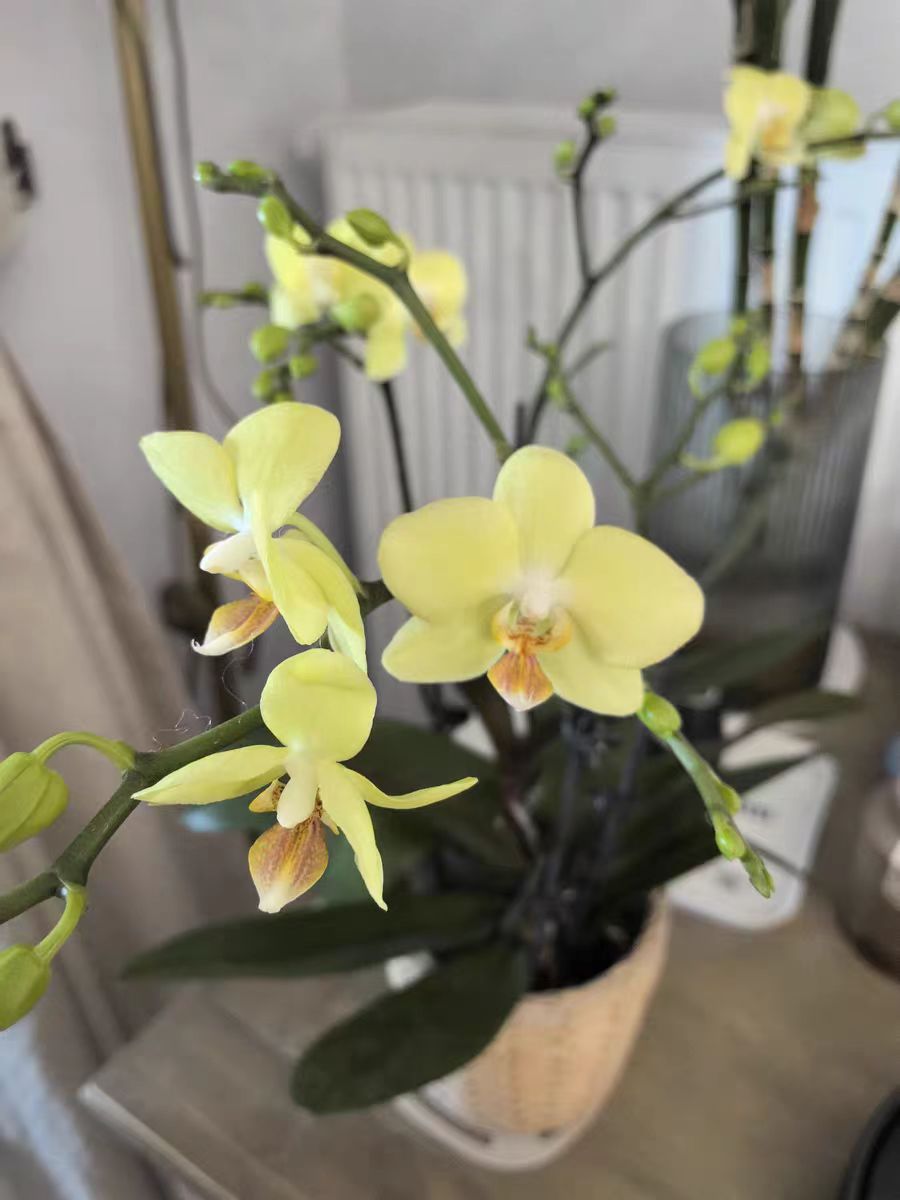
Is it necessary to disinfect the sphagnum moss when repotting Phalaenopsis?
Phalaenopsis is a flower with high ornamental value. During the process of its cultivation, repotting is an important part. When repotting, the use of sphagnum
条件筛选