-

Key Points for Buying and Using a Used White Rice Grading Machine
How do you choose a used white rice grading machine? This article explains the working principle of white rice grading machines, key points for inspecting used equipment, and daily use and maintenance tips, helping rice processors pick the right cleaning and grading equipment and avoid wasting money.
-
How to Choose a Used Combined Rice Mill? Key Points for Inspection, Price Negotiation and Maintenance
Want to buy a used rice mill? This article covers the inspection points, bargaining techniques, transaction procedures and daily maintenance methods for combined rice mills and other primary agricultural product processing machinery, helping you avoid the pitfalls of the used agricultural machinery market and choose equipment with good value for money.
-
How to Choose a Ridger? Master These Tips for Inspecting Used Machines and Using Them
The ridger is key machinery for tillage. This article introduces how a ridger works, key points for inspecting a used ridger before buying, and daily maintenance methods, helping growers choose and use their machines well. For purchase subsidy policies, please refer to what the local agricultural machinery department publishes.
-
Key Points for Using a Grape Vine Burying Machine and a Guide to Inspecting Used Machines
How do you choose and use a grape vine burying machine? This article introduces the working principle of the grape vine burying machine, key points for burying soil for cold protection, and tips for inspecting used agricultural machinery, helping growers improve efficiency and avoid detours.
-
How to choose and maintain a cart-type electrostatic sprayer? More efficient field spraying
The cart-type electrostatic sprayer is a commonly used spraying machine for field management. This article introduces its electrostatic spraying principle, key points for choosing new and used machines, and daily maintenance methods, helping growers pick the right equipment, spray with less effort, and improve pesticide utilization.
-
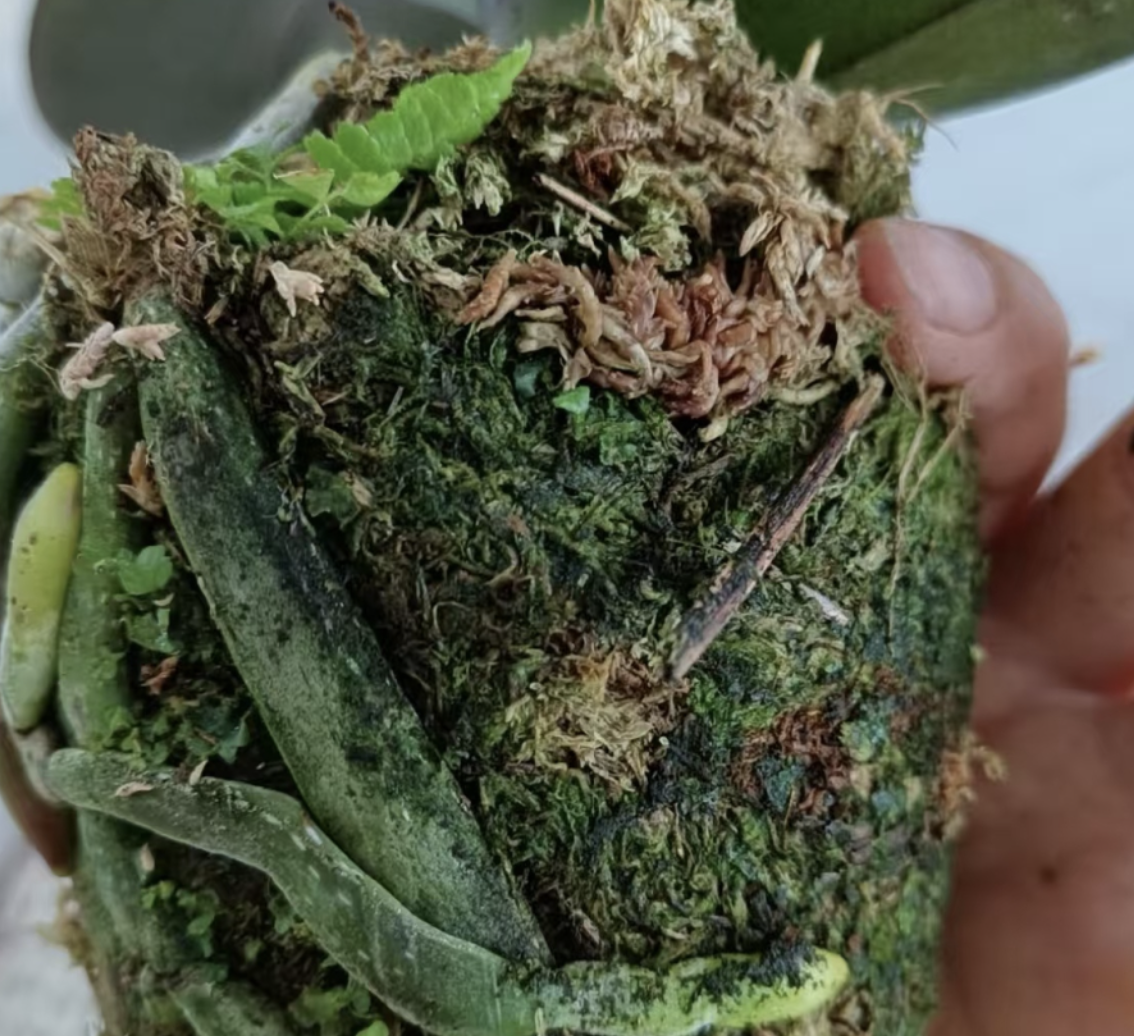
What medication should be used to prevent and treat soft rot disease in Phalaenopsis orchids?
Some people say Phalaenopsis orchids are easy to care for, while others claim they are difficult. So, who is telling the truth? Why does Phalaenopsis require
-
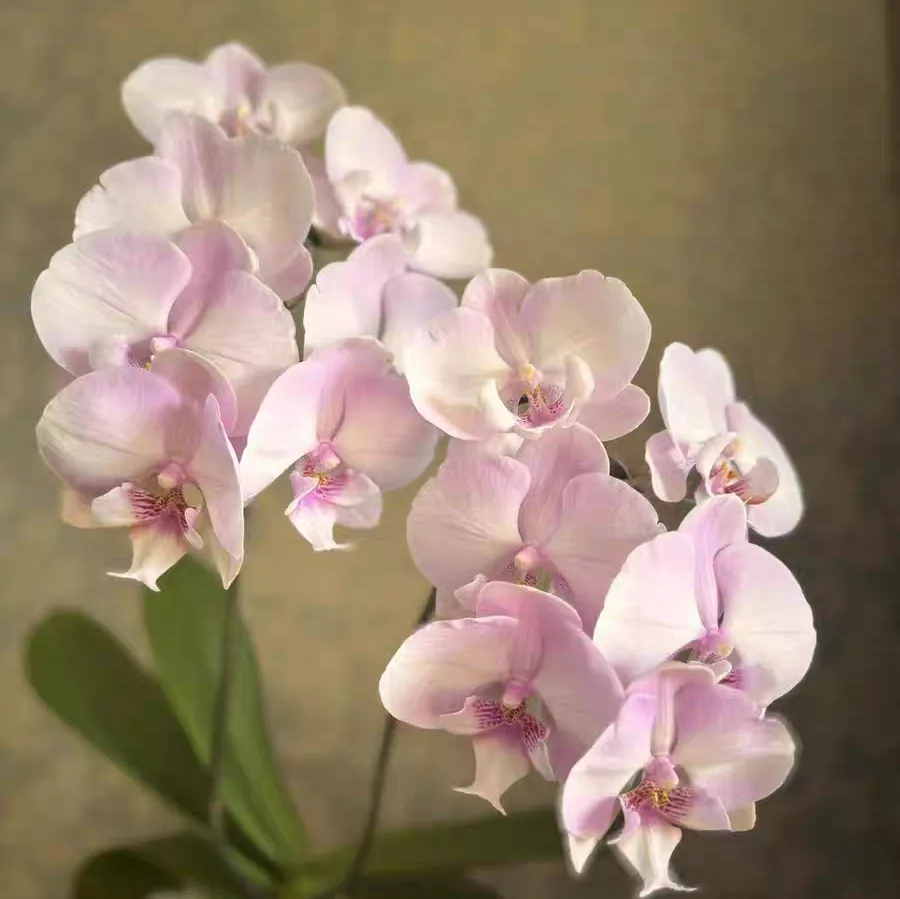
The sphagnum moss used for Phalaenopsis should be replaced after a long time.
Friends who grow Phalaenopsis know that sphagnum moss will become compacted and lose nutrients after being used for a long time. Only by replacing it with
-

Can rice water be used to water flowers? What benefits does it have for plants
The rice water poured away every day when cooking is actually a neglected "nutritional treasure trove." Many people don't know that this seemingly ordinary milky-white liquid, after simple processing, can become a "super drink" for plants. Watering flowers with rice water is not only environmentally friendly and economical, but can also provide plants with various nutrients needed for growth, but the method of use
-

What medicine should be used for stem rot in Phalaenopsis? Detailed explanation of causes and solutions
Growers of Phalaenopsis have probably all heard of "stem rot." Once a Phalaenopsis gets this disease, the leaves droop and the stem rots at the core, and if it is not treated in time, the whole plant may die. Today let's talk about how this disease comes about, what medicine to use, and how to save it. How does stem rot find its way in? The main cause is too much moisture,
-

How do you rescue a Phalaenopsis orchid with yellow leaves caused by overwatering?
Fellow Phalaenopsis growers, do you often run into this situation: an orchid that was perfectly fine suddenly develops yellow leaves that feel soft and limp to the touch, and when you check the potting mix, it is so wet you can wring water out of it - yep, nine times out of ten it is caused by too much watering! Don't panic, this situation is not a terminal illness, and there is still time to rescue it if you act quickly.
条件筛选