-

How to Prune Pistacia weinmannifolia? Detailed Guide to Pruning Methods and Tips
Pistacia weinmannifolia is a shrub or small tree in the Anacardiaceae family, mainly produced in Yunnan, Tibet, Sichuan, Guizhou, Guangxi and other parts of China. In the wild, it grows under limestone forests or in thickets at altitudes of 580-2700 m. It is also used as a household potted plant. So, do you know all about the pruning methods for Pistacia weinmannifolia?
-
How to Grow Pistacia weinmannifolia? Detailed Guide to Cultivation Methods and Precautions
The name Pistacia weinmannifolia (Qingxiangmu) sounds full of greenery and brimming with vitality. Gently rubbing the leaves releases a fresh fragrance of Sichuan pepper and citrus, so the name "Qingxiangmu" (fragrant wood) is not just an empty title! But what else do you need to know to grow a Pistacia weinmannifolia? How to grow Pistacia weinmannifolia
-
A Detailed Guide to Shaping Qingxiangmu (Pistacia weinmannifolia) Bonsai and Repotting Methods
Many trees themselves have high ornamental value, and many people like to grow them at home, so many skillful flower lovers have emerged who shape their beloved plants. Because many plants grow in different environments, many different tree postures appear
-
Detailed Guide to Cultivation Techniques and Management Methods for Fragrant Wood (Pistacia weinmannifolia) Bonsai
For the cultivation soil, try to choose granular sandy soil or perlite, and use a purple clay pot, tile pot or ceramic pot with good air permeability. Fill the pot with the substrate and plant the fragrant wood (Pistacia weinmannifolia) root seedling in the pot. After planting, provide appropriate shade, water thoroughly to settle the roots, and place in a wind-sheltered, shady spot for care
-
How to water Qingxiangmu (Pistacia weinmannifolia) best? Detailed guide to the correct watering method
Qingxiangmu, also known as Qingxiang tree, Xiangyezi, Ziyoumu, Hubantan and others, is an evergreen shrub or small tree of the genus Pistacia in the Anacardiaceae family, often growing wild under limestone forests or in thickets at altitudes of 580 to 2700 m. It gets its name because the leaves give off a fresh fragrance when picked or rubbed. In recent years
-
How to make a Qingxiangmu (Pistacia weinmannifolia) bonsai? Latest method explained in detail
The tender leaves of Qingxiangmu (Pistacia weinmannifolia) are red, glossy, exquisite in color and form, slow-growing, easy to shape, with a faint fresh fragrance, and they help purify the air and repel mosquitoes and flies. But do you know the production method and care management of Qingxiangmu bonsai? Below, the editor will introduce it to you.
-
Why does Pistacia weinmannifolia keep dropping its leaves?
Pistacia weinmannifolia is a sun-loving tree, but it is also slightly tolerant of shade. It likes warmth, requires deep soil layers, has strong sprouting ability, grows slowly, and has a long lifespan. However, seedlings are not very cold-hardy and need protection in North China. The plant can withstand low temperatures of -10°C and prefers soil with ample sunlight and no water accumulation.
-
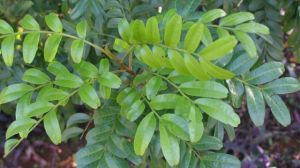
Detailed Guide to Growing and Caring for Chinese Pistache (Pistacia weinmannifolia)
Soil: It is best to choose soil with good aeration. Watering: Water once every 3-5 days, but be sure to water thoroughly. Light: Place it in a spot with plenty of sunlight, but do not expose it to harsh sun. Fertilizing: Control the amount of fertilizer well; seedlings should receive little fertilizer, and after a period of growth increase the fertilizer, as a large amount of fertilizer can easily cause fertilizer burn.
-
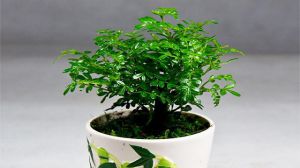
How to care for Pistacia weinmannifolia? Detailed care methods and tips
To grow Pistacia weinmannifolia, first choose soil with good breathability and drainage; during the growing season, water generally once every three to five days, and do not let water accumulate; provide plenty of light, but avoid harsh sun exposure; the environment needs to be warm, and it is best to grow it indoors; do not fertilize when it is a seedling, and after it grows larger, you can fertilize appropriately. In addition, for some diseases, timely prevention and control are needed.
-
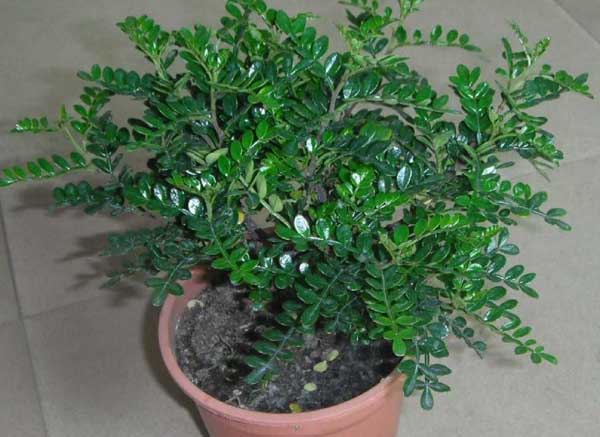
A detailed guide to the cultivation methods of Pistacia weinmannifolia - even beginners can grow it well
Cultivation methods of Pistacia weinmannifolia
条件筛选