-
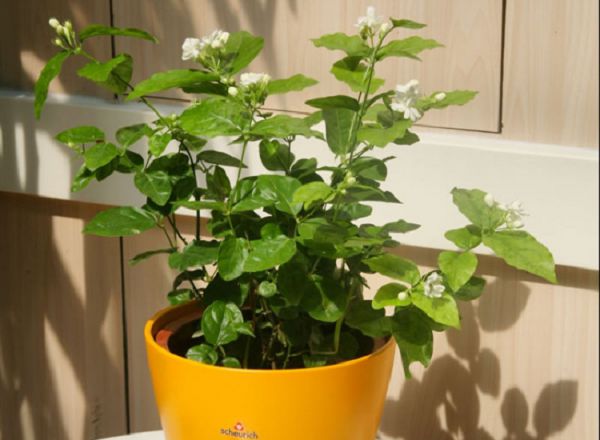
Which flowers prefer strong light and which prefer weak light?
Which flowers prefer strong light or weak light
-

How to revitalize weak orchid seedlings? Master these care methods
How to revitalize weak orchid seedlings?
-
Gene narrowing in Western honey bees: each generation weaker than the last as humans play God with queen breeding
Let bees be free 01"Humans play God by intervening in queen breeding, narrowing the gene pool of Western honey bees, each generation weaker than the last
-
-
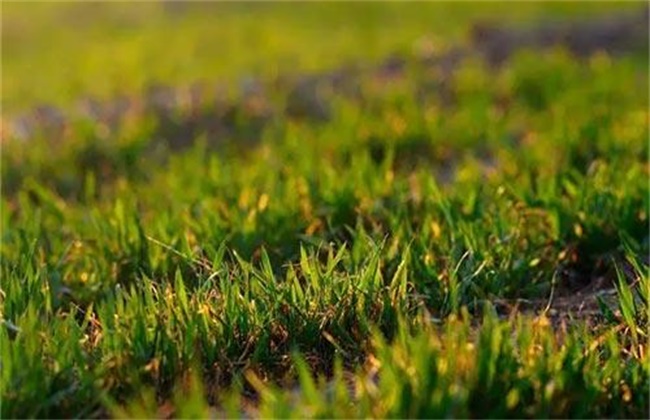
Bagging orchids in winter: even weak and sickly orchid seedlings can safely overwinter
Bagging orchids in winter: even weak and sickly orchid seedlings can safely overwinter
-
How to Revive Weak and Sickly Orchids: A Detailed Guide to Scientific Care Methods
How to Revive Weak and Sickly Orchids
-
Detailed Explanation of Key Techniques for Cultivating Weak and Young Orchid Seedlings
Techniques for Cultivating Weak and Young Orchid Seedlings
-
-
Edible Fungi Pest and Disease Control and Methods for Cultivating Young, Weak Orchid Seedlings
Methods for Cultivating Young, Weak Orchid Seedlings
-
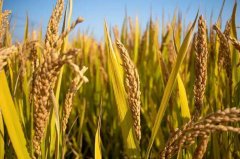
Rice Taikeng 17: Disadvantages, Weaknesses, and Variety Characteristics
Rice is one of our staple foods, and the cultivation of rice and the breeding of new varieties are very important. Do you know the rice variety Taikeng 17? Variety Characteristics I. General Agronomic Traits Taikeng 17 is a medium-late maturing variety. Its growth duration (from transplanting to maturity) is 127 days for the first crop and 112 days for the second crop, similar to the currently most widely cultivated Tainung 67; the tip of the glume is light yellow, the grain color is light yellow, awnless, and the grain shape is medium; the plant height is medium, averaging 104.2 cm for the first crop and 102.4 cm for the second crop; the average number of panicles per hill is 16.9 for the first crop and 14.0 for the second crop; the average number of grains per panicle is 91.6 for the first crop and 100.0 for the second crop; the 1000-grain weight is 23.7 g for the first crop and 24.3 g for the second crop; all of the above traits are also similar to those of Tainung 67. The fertility rate is 78.2% for the first crop and 77.2% for the second crop.
条件筛选