-

Wheat Faces a Warm Winter, with Increased Risk of Freeze Damage and Drought
Wheat Faces a Warm Winter, with Increased Risk of Freeze Damage and Drought According to a report from the National Climate Center, the 2014 El Nino phenomenon has escalated again and is expected to peak in December, and northern China may see a warm winter this winter. At present, in China's Huang-Huai-Hai wheat region, wheat sown before October 7 is growing noticeably well; if a warm winter occurs, there is a clear trend toward excessive growth, especially in the southern Huang-Huai wheat region, where the risk of excessive wheat growth and winter-spring freeze damage is markedly increased. In the Heilonggang River basin and in Dezhou, Heze and other places in Shandong, because the land is saline-alkali, wheat emergence is poor; especially in areas with annual precipitation of only 500-600 mm, where wheat and corn are double-cropped in 1 year and there is no adequate irrigation, the risk of wheat encountering drought stress during a warm winter increases.
-
Feed costs plunge sharply, the breeding industry welcomes a warm winter in Q4
This year global corn and soybean harvests were abundant, and global agricultural product prices have continued to decline. With feed costs falling sharply and the meat supply-demand situation improving significantly, the breeding industry may welcome a warm winter in Q4. Feed costs plunge sharply, breeding industry welcomes warm winter in Q4
-
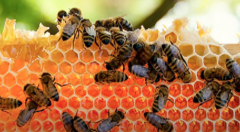
Fewer longan and lychee flowers bloom, warm winter effect causes honey production to drop
Affected by the warm winter and drought, this year the flowering rate of lychee and longan is only 20%, and the production of longan honey and lychee honey has also been affected as a result. Cheng Chin-kun, chairman of the Taiwan Beekeepers Association, explained that this year's longan and lychee honey production may be only 10%, and he hopes the Council of Agriculture
-
How to prevent and remedy late spring frost damage in fruit trees? Growers advised to save this after a warm winter
Although spring has already arrived and temperatures are rising, sudden cold air outbreaks are still possible. This phenomenon is commonly known as late spring frost, and the fluctuating environmental temperatures can cause great harm to fruit tree growth. So after a warm winter, what are the prevention and remedy measures for late spring frost damage in fruit trees?
-
How Do Kittens Get Through Winter? A Detailed Guide to Keeping Them Warm in Winter
Cats are pets loved by many people, and in the process of raising cats, different seasons also come with different considerations, so how do kittens get through winter? 1. How do kittens get through winter? For kittens to get through winter, the first thing to pay attention to is keeping warm; prepare a warm
-
Amaryllis growing methods and precautions: shade in summer, keep warm in winter, prevent disease in autumn, repot every 2 years
Summary Soil: suitable for fertile, loose, well-drained soil rich in humus. Watering: keep moist but not waterlogged. Fertilizing: apply fertilizer solution 2-3 times from the growing period to flowering. Temperature: the suitable growing temperature is around 18-25°C; shade is needed in summer
-
Key Technical Points for Maintaining High and Stable Yields in Mature Longan Trees
Environmental factors such as warm winters have seriously affected the fruit set of longan, so much so that the yield of Putian longan in recent years has consistently been unsatisfactory. To ensure high yields in mature longan trees, four critical gates must be strictly controlled. The first is the variety gate. Years of practice by agricultural technology departments have shown that the 'Songfengben'
-
How should pepper seedlings be managed in a warm winter climate?
In recent years, with global climate warming, winter temperatures have been getting higher and higher. In Yongzhou City, during the past winter and this spring, there were several periods with temperatures higher than the same period in previous years. Such continuously high temperatures caused excessive vegetative growth of pepper seedlings, bringing great difficulties to cultivating strong seedlings.
-
Is it better to give pigs warm water or cold water to drink in winter?
Summary When winter comes, it is better to give pigs warm water than cold water, but it must not be too hot; a water temperature of around 37 degrees is most suitable. If pigs drink cold water, their bodies will not have enough heat, so they will eat more, which increases feed costs. Long-term drinking of cold water may also
-
What warming measures are suitable for chicken farms in the winter of 2020?
As winter gradually arrives, temperatures everywhere are getting lower and lower, and many people have started putting on thick clothes. But chicks find it hard to resist the cold, so warming measures need to be taken to get them safely through the winter. So what warming measures are suitable for chicks in winter?
条件筛选