-
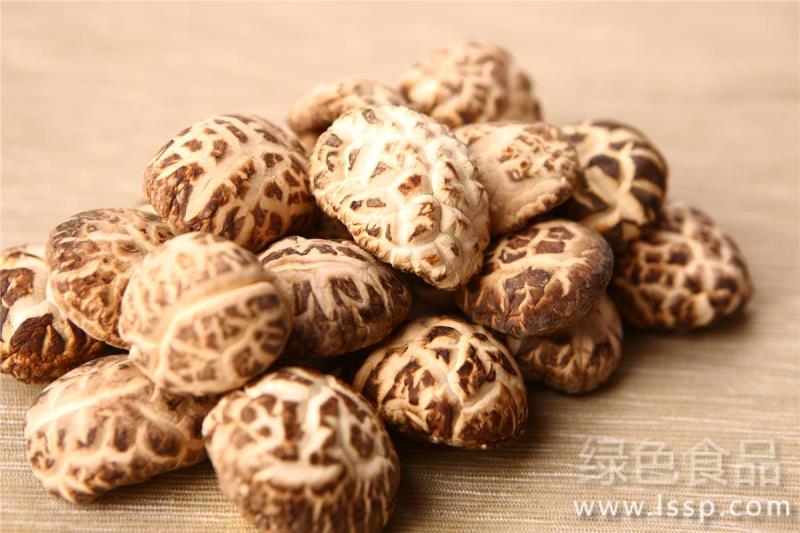
How to artificially create and rationally utilize the cultivation conditions for flower shiitake
Artificial creation and rational utilization - the cultivation conditions for flower shiitake
-

How Are Russian Olive Foods Developed and Utilized? A Full Explanation of Pathways and Value
Russian olive (Elaeagnus angustifolia L.), also known as Guixiang willow, silver willow, or Qilixiang, belongs to the Elaeagnaceae family, genus Elaeagnus. It is an evergreen shrub. Russian olive is light-demanding, cold-tolerant, highly resistant to wind-blown sand and saline-alkali conditions, grows fast, has wide uses, and holds high economic value. Russian olive is distributed in Shaanxi, Gansu, Inner Mongolia, Ningxia, **, Qinghai and other places; in ** it is found in the Taklamakan Desert and along the banks of various rivers, and it is also distributed in Yili, Toksun and other places in northern **. Russian olive is a "treasure tree" of desert saline-alkali land; its edible value and medicinal value are both very high, and it has great potential for development into green foods.
-
How to comprehensively utilize fish processing by-products
The fish heads, fish tails, minced meat, scales, skin, viscera, bones, gallbladders, etc. left over from fish processing contain large amounts of protein, amino acids, trace elements and vitamins. Using these protein resources, various deeply processed products can be made, including soluble edible fish protein powder, liquid fish protein feed, fish scale glue, fish skin glue, bone paste, fish protein calcium candy, bile pigment calcium salt and bile acid salt, etc. Comprehensive utilization of fish processing by-products can reduce the cost of main products and increase the added value of aquatic products; it can also protect the environment and reduce wastewater and waste emissions, achieving relatively high economic, ecological and social benefits.
-
How can wild tangli resources be developed and utilized? See the approach in Simao, Yunnan
Tangli is a local name in Simao, Yunnan. It includes several species and also has several folk names, such as tangli thorn, mountain pear, boshali, sour pear, etc. Tangli belongs to the genus Pyrus in the Rosaceae family and is a wild fruit with great development and utilization value. Tangli is distributed across all prefectures and prefectures of Yunnan, growing in mountain forests and wildlands. In some places it naturally forms forests or patches, with abundant reserves. At present, tangli trees in Yunnan are used as rootstock for cultivated pears, the flowers are eaten as a wild vegetable, and the fruit can ripen on the tree. Local people gather it and eat it fresh: in winter there are
-
Cultivation of oyster mushrooms (Pleurotus pulmonarius) during the summer idle period can utilize shiitake mushroom sheds in high-altitude mountainous areas
Pleurotus pulmonarius is a medium-temperature variety, with a fruiting range of 15-28°C and an optimum of 18-22°C, and can fruit naturally in spring and autumn. Because Pleurotus pulmonarius has the characteristic of fruiting under variable temperature, under environmental conditions above the fruiting temperature range, proper low-temperature differential stimulation (temperature difference above 10°C) can promote fruiting body formation. In current production, during the summer high-temperature season when temperatures exceed 28°C, the method of placing physiologically mature spawn bags in a 2-4°C cold storage for cold stimulation for 10-12h, then moving them to the mushroom house for fruiting, is adopted for off-season
-
How to develop and utilize reishi mushroom? A comprehensive interpretation of its value and approaches
Reishi mushroom, also known as lingzhi cao, mujilingzhi, hongzhi, chizhi, wannianxun and lingzhi xiancao, etc. Reishi is a fungus used both as food and medicine. Folk legend says: eat lingzhi cao and you can live forever, which fully demonstrates that reishi indeed has high medicinal value. In the "Shennong Bencao Jing" (Divine Farmer's Materia Medica), reishi is listed as a top-grade herb. Traditional Chinese medicine holds that reishi has tonic, brain-strengthening, body-invigorating, anti-inflammatory, diuretic and stomach-benefiting effects; it can also treat neurasthenia, palpitations and dizziness, insomnia and forgetfulness, chronic hepatitis, pyelonephritis, bronchial asthma, bronchitis, stomach diseases, coronary
-
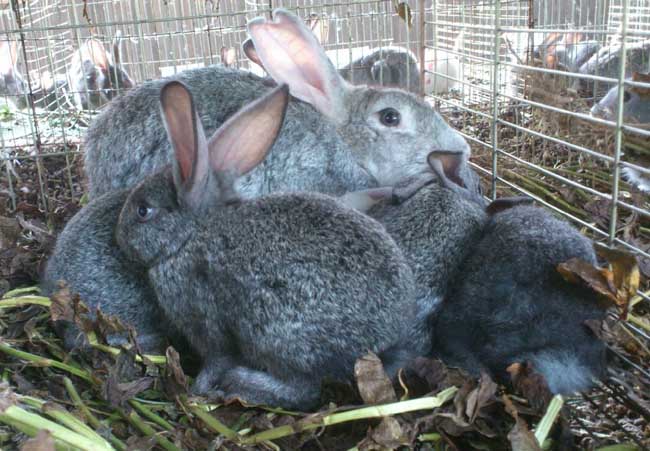
How to Utilize and Process Rabbit Manure? A Detailed Guide to Practical Methods
Utilization and Processing Methods of Rabbit Manure
-
How can the new functional components of soybeans be developed and utilized?
China is the homeland of soybeans, and over the long course of history, "soybeans have nurtured the Chinese nation." Modern science has discovered that the functional components of soybeans that nurtured the Chinese nation are mainly found in soybean meal. High-temperature soybean meal is the highest-yield product of the soybean oil processing industry. Whether the effective components in high-temperature soybean meal can be extracted is key to revitalizing China's soybean oil processing industry. The National Soybean Deep Processing Technology Research and Promotion Center invented a process using high-temperature soybean meal as raw material to continuously extract high-purity soybean oligopeptides, soybean isoflavones,
-
How to efficiently utilize the second crop of Oriental lily flowers
Oriental lily bulbs are generally grown for only one crop abroad, then dug up and discarded. Based on China's national conditions, Chinese lily growers have developed a reuse technique for Oriental lily bulbs, which is now applied in many places. However, because the second-crop flowers produced by reusing Oriental lily bulbs are mostly harvested and marketed from June to August, when the selling price of lily cut flowers is relatively low, the economic benefit is limited. In the past two years, the Gansu Provincial Flower Engineering Technology Research Center, in cooperation with Gansu Lintao County Meilan Flower Company and the Lintao County Seed Farm, has explored a
-
Grain traders hit by hard-to-sell grain; private granaries underutilized
Along with a cigarette, a business card is handed over casually. This is a habitual gesture of grain brokers. On the card, besides basic information, phrases such as "buys grain in large quantities" and "buys grain year-round" reveal the industry needs of the broker community; brokers with a strong sense of service
条件筛选