-

The three main causes of cotton diseases: climate, seeds and cultivation
The occurrence of cotton diseases is closely related to climate, seed quality and cultivation practices: low temperature and high humidity easily cause seed rot and sprout rot, poor-quality seeds produce weak seedlings, and continuous cropping, low-lying waterlogged land, rough land preparation and sowing too early all worsen the disease.
-
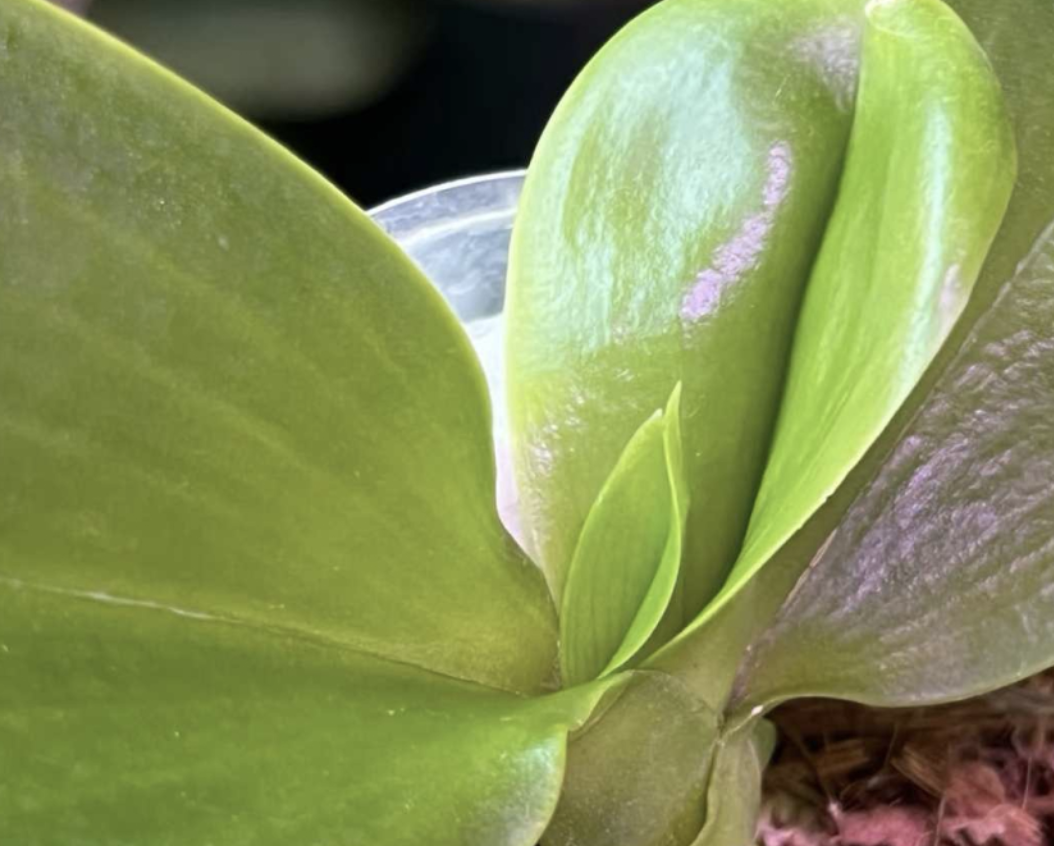
What are the uses and benefits of the leaves of Phalaenopsis orchids?
ChatGPT 说: Native to tropical rainforests, the Phalaenopsis orchid has become a favorite in recent years. Every holiday, many people plan to buy a few pots to
-
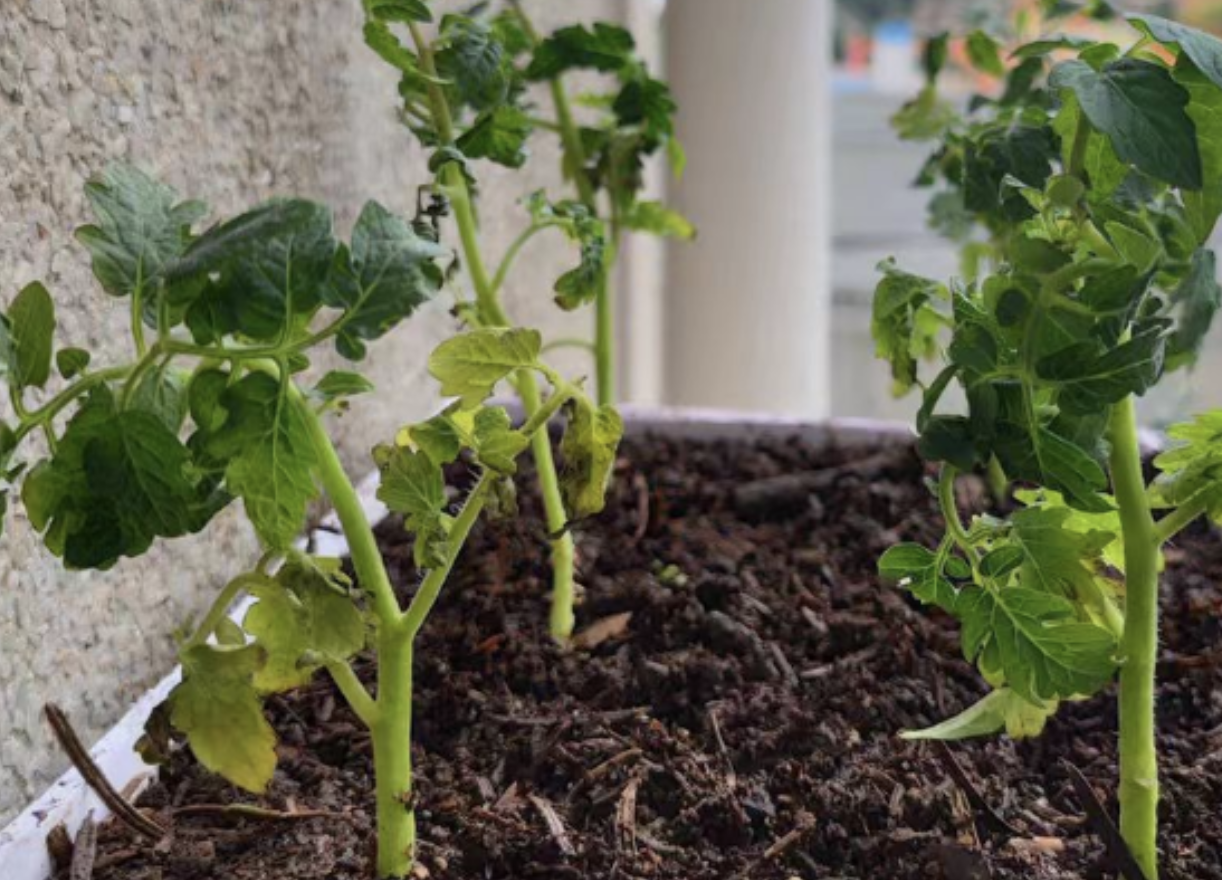
What causes tomato leaves to appear burned and dry like they’ve been scorched?
Do tomato growers have this experience? One day, the tomato seedlings are lush, green, and full of vitality, and suddenly, they start wilting, with the edges
-
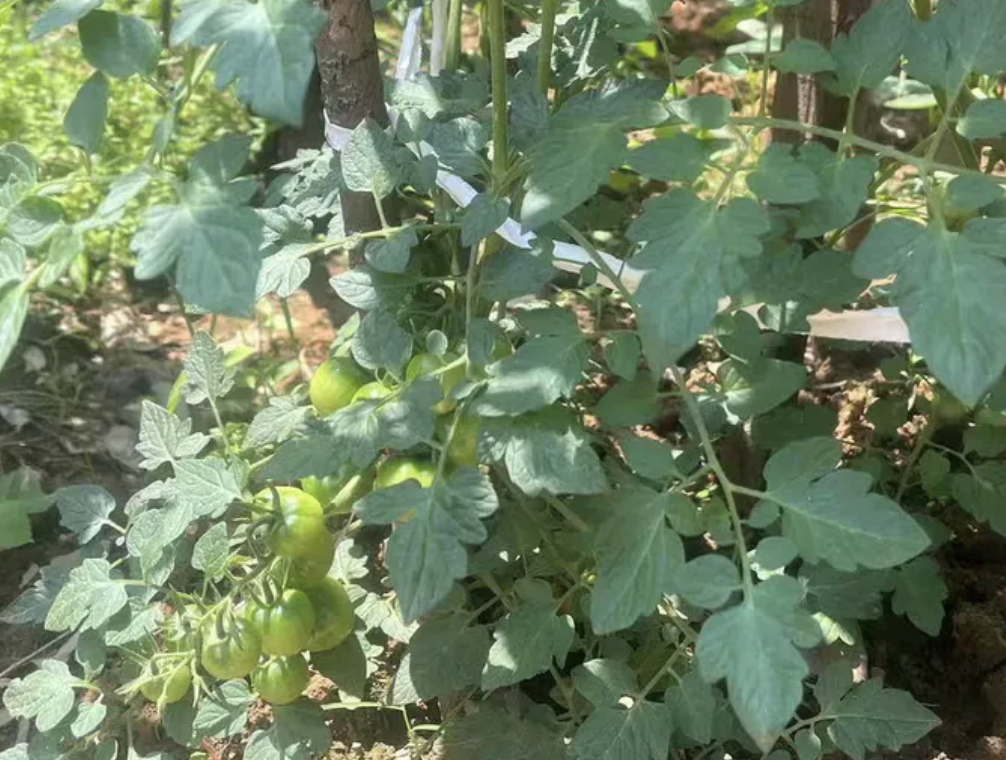
Why Do Tomato Seedlings Become Leggy? Causes and How to Fix It
Have you noticed your tomato seedlings shooting up rapidly with thin, weak stems and sparse leaves? Don’t panic—this is a common issue called “legginess.” What
-
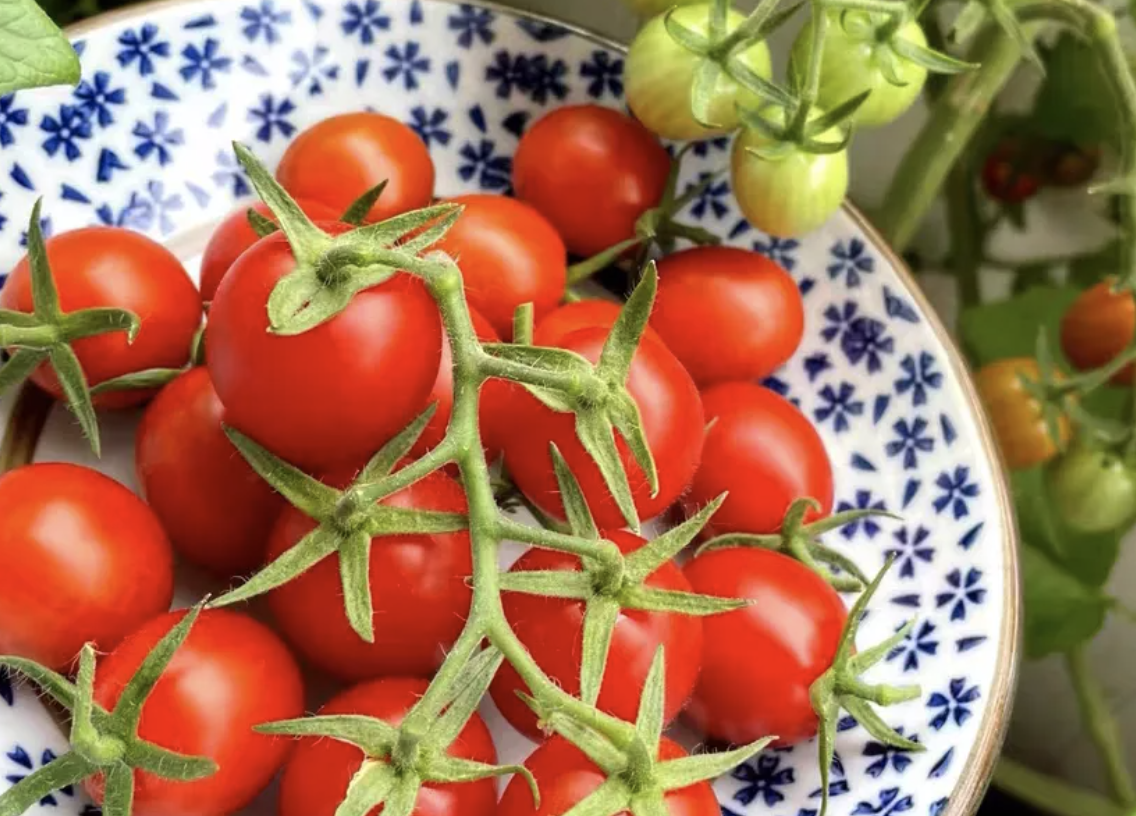
What causes black stem disease in tomatoes, and what treatments or fungicides are effective?
Tomato growers often find black stems a major headache—but don’t worry. The causes vary depending on where the blackening occurs, and so do the treatments. 1.
-

Don't panic if your Christmas cactus (Schlumbergera) has soft leaves! Identify the 5 main causes and treat them accordingly, and the leaves will soon be firm again!
When the leaves of a Christmas cactus are thick and green, it looks especially lively, but soft leaves are a common problem in care - some become wrinkled and dull, while others wilt so much they droop at the slightest touch. In fact, soft leaves are mostly caused by improper care, so find the cause and treat it accordingly, and it will soon regain its plumpness! 1. Lack of water and dry wilting: the potting soil is cracked and the leaves are shriveled
-

Causes of Black Spots and Brown Patches on Phalaenopsis Roots and Related Diseases
After a Phalaenopsis (moth orchid) blooms, it is truly "unforgettable," so placing it casually anywhere in a home or shop instantly elevates the space. However, no matter how beautiful the flower, caring for it is never smooth sailing, and root rot is the most common problem! Once it starts developing yellow leaves, buds that refuse to open,
-

Causes and Solutions for Dry Air Roots on Phalaenopsis Orchids
A perfectly healthy Phalaenopsis orchid is growing along, and then suddenly those exposed aerial roots dry up. Some get all wrinkled like shriveled kelp, and others turn dark brown outright. Actually, there is no need to panic about this. First figure out why the aerial roots are drying up, then treat the problem accordingly. Why do aerial roots dry up? The most common reason is air that is too dry. Phalaenopsis
-

Causes of Phalaenopsis Soft Rot and the Most Effective Treatment Methods
Many flower enthusiasts have experienced this: a perfectly healthy Phalaenopsis suddenly develops soft, sticky leaves, or even oozes pus, which is heartbreaking. So what exactly causes this troublesome soft rot? And what medication can treat it? Why do Phalaenopsis get soft rot? The main culprit is a bacterium called Erwinia, which particularly loves damp and stuffy environments.
-

What medicine should be used for stem rot in Phalaenopsis? Detailed explanation of causes and solutions
Growers of Phalaenopsis have probably all heard of "stem rot." Once a Phalaenopsis gets this disease, the leaves droop and the stem rots at the core, and if it is not treated in time, the whole plant may die. Today let's talk about how this disease comes about, what medicine to use, and how to save it. How does stem rot find its way in? The main cause is too much moisture,
条件筛选