-
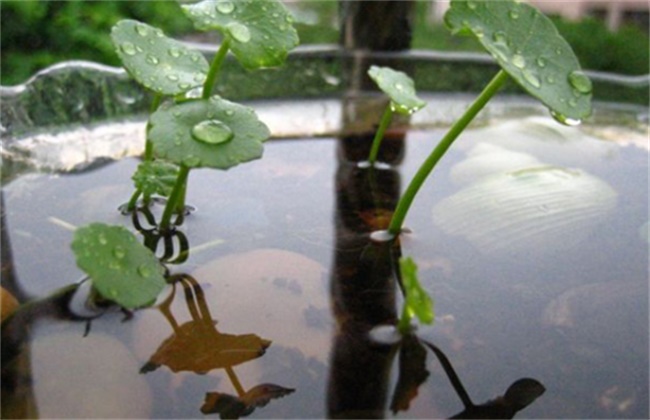
How to grow Lysimachia nummularia hydroponically? Growing methods and precautions
Hydroponic growing methods and precautions for Lysimachia nummularia
-
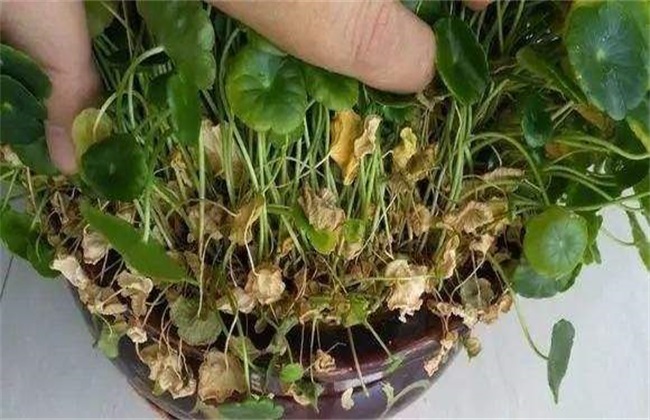
What are the reasons for the yellowing of Lysimachia nummularia leaves?
Reasons for the yellowing of Lysimachia nummularia leaves
-

Geraniums are a popular and common potted flower.
Geraniums come from southern Africa and settled in our country over a hundred years ago. They bloom in clusters, full and round, pleasing to the eye, and can adapt to both north and south, found in thousands of households. In hot seasons, place them in a shaded outdoor environment; in cold seasons, enjoy them indoors in bright light. They can bloom on time for "May Day," "National Day," New Year's Day, and Spring Festival, with a very long flowering period. Geraniums are also known as yangxiuqiu and rulahong, and are evergreen subshrubs of the genus Pelargonium in the Geraniaceae family. Young plants are herbaceous, fleshy and juicy; old plants are semi-woody with hollow pith. The whole plant has a distinctive scent.
-
Dianthus acicularis is an excellent drought-tolerant, water-saving groundcover plant
Most parts of northern China are resource-based severely water-scarce regions, with per capita water resources of less than 300 cubic meters, only 1/8 of the national average, and far below the international water-scarcity threshold of 1,000 cubic meters per capita. With the vigorous development of landscaping, water consumption for greening is growing ever larger, and this contradiction with the scarce water resources of northern China is becoming increasingly prominent. Dianthus acicularis has good drought tolerance and is an excellent water-saving plant material in landscaping. According to calculations, Dianthus acicularis consumes only 0.
-
How to grow Dianthus acicularis? Detailed guide to cultivation and care methods
I. Planting Dianthus acicularis. Dianthus acicularis has many advantages such as drought tolerance and water saving, alkali tolerance, tolerance of poor soil, cold tolerance, and a long green period. When planting, pay attention to the following issues: 1. Soil selection. The soil at the planting site is best sandy or semi-sandy soil. If a clay section is encountered, sand can be mixed in to improve it, which is beneficial for drainage and root growth. 2. Land preparation. Generally, only the 15 to 20 cm deep soil layer needs to be turned over, and stones and debris should be picked out. The soil does not need to be sifted. After the plot is leveled, planting can begin. If
-
Repotting rhododendrons after flowering has its particularities; only by mastering the method can they survive well
When choosing a pot, select a suitable pot according to the size of the plant, with clay pots being best; generally the pot diameter (inner diameter) should not exceed half the crown diameter. Rhododendrons prefer acidic soil, requiring a pH of 4.25-5.5; without maintaining this acidity, potted rhododendrons are very difficult to keep alive, and the potting soil must be loose, well-draining and rich in humus; never use heavy clay soil. When using soil, it is best to prepare it according to the original root-ball soil of the rhododendron; plants previously grown in pine-needle soil should still use pine-needle soil, which can be mixed with a small amount of decomposed horse manure and bone meal, and
-
The fireworks tree bonsai is a spectacular sight when in full bloom.
The fireworks tree (Clerodendrum quadriloculare) is a small shrub in the genus Clerodendrum of the family Verbenaceae, native to Africa and the Pacific Islands, and is also found scattered in China. The fireworks tree has an attractive plant form, beautiful foliage, and brilliant, colorful flowers with dancing stamens. It blooms continuously from June to November, with a flowering period lasting as long as half a year. The flowers are terminal, long-tubular, in spreading clusters, with dense inflorescences and purple-red floral tubes; the front end bursts open into 5 pure white, colorful, long strip-shaped petals, like twinkling stars, as if they were clusters of fireworks set off during a festival. The exposed stamens are like golden threads and silver willows, bouncing and dancing nonstop when the breeze blows, and the fruit after flowering is colorful.
-

-

What is the difference between Crassula rupestris and Corpuscularia lehmannii?
Differences between Crassula rupestris and Corpuscularia lehmannii
-

How to grow purple shamrock (Oxalis triangularis)? A detailed guide to care methods
Care methods for purple shamrock (Oxalis triangularis)
条件筛选