-

A Detailed Guide to the Two Main Propagation Methods and Cultivation Techniques for Hyacinth Bulbs
The Two Main Propagation Methods for Hyacinth Bulbs and Techniques for Cultivating Hyacinths
-
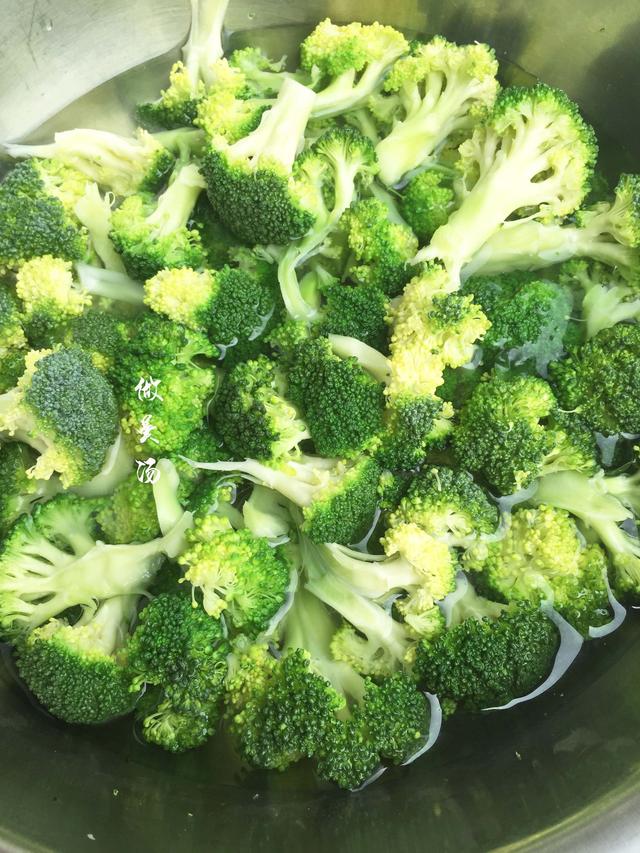
No need to fear pesticide residue on vegetables: two methods to teach you how to eat vegetables with peace of mind
Two methods to teach you to no longer fear pesticide residue on vegetables, so you can eat vegetables with confidence and big bites
-

Two Methods for Processing Fresh Peach Flavor Explained in Detail
The process flow for canned peach jam is: material selection → processing → grinding → blending → softening and concentration → canning → sterilization. 1. Raw material selection: Choose fully ripe peaches with relatively high acid content and a strong aroma as raw materials. 2. Raw material processing: Remove diseased, insect-damaged, and rotten fruits from the raw materials. Wash the good peaches in 0.5% alum water to remove fuzz, then rinse clean with clear water, cut in half, peel, and remove the pits. 3. Grinding: Grind the trimmed and washed peach pieces with a meat grinder with a plate hole diameter of 8-10 mm.
-
Two methods of autumn potato planting
Whole-tuber planting Using whole tubers for planting is currently the most effective method for controlling tuber rot and seedling death. In Shandong, Henan and other places, planting is generally done in mid-August. The standard for whole tubers: whole tubers used for autumn planting are mostly small tubers of about 50 grams that were harvested early from spring planting and carefully selected. Whole-tuber planting generally requires more than double the seed quantity of cut-tuber planting, with about 300 kg of small tubers of about 50 grams needed per 667 sq m. These small tubers should all be unbruised, disease-free, crack-free, with bright skin color and moderate size. Treatment of whole tubers Whole tubers are planted in autumn
-
New Rapid Propagation Technology for Hybrid Gastrodia: Detailed Explanation of Two Methods
I. Potted Breeding Method for Gastrodia Arrow Bud Mother Corms (Using Yidu Red Gastrodia as an Example) 1. Potted Seedling Cultivation: Around Qingming Festival, when room temperature stabilizes above 15°C, select fresh, robust, plump-budded, undamaged high-mountain wild red gastrodia arrow bud mother corms weighing 100-150 g (labeled Wild Red) and plains-cultivated red gastrodia arrow bud mother corms (labeled Domestic Red). Plant them separately in river sand in plastic washbasins or enamel basins, evenly placing 4 arrow bud mother corms (plants) per basin, with arrow buds (parrot-beak tips) facing upward and 3-5 cm from the basin edge, covering with 5-
-
Forecast of the Occurrence of Diseases and Pests in Shanghai's Two Crops of Wheat and Barley and Their Control Methods
Based on the occurrence base of diseases and pests in the two crops of wheat and barley in each district (county), and in combination with analysis of weather conditions, the occurrence trend of diseases and pests in the two crops of wheat and barley in this city this year is expected to be moderate. Among them, wheat scab will occur moderately, with severe occurrence in some areas; the small brown planthopper will occur severely, with outbreaks in some areas; wheat aphids will occur moderately, wheat powdery mildew and barley scab will occur relatively lightly, and armyworms will occur lightly. In order to effectively control the damage of diseases and pests and secure a bumper harvest of summer-ripening crops, all districts (counties) are requested to conscientiously carry out disease and pest control work for summer-ripening crops in accordance with their own production conditions. I. Analysis of Occurrence Trends
-
Damage Caused by Cutworms to Reishi Mushrooms and Its Control Methods
Cutworms belong to the order Lepidoptera, family Noctuidae. They are not only an important pest of agricultural and forestry crops, but also a common pest in the cultivation of edible fungi such as reishi mushroom, silver ear fungus, wood ear fungus, and oyster mushroom. They are widely distributed, but the degree of damage varies. They occur more frequently in outdoor open-field sunken-bed cultivation and plastic greenhouses. Damage characteristics: The larvae feed on the mycelium of reishi mushrooms, inhibiting mycelial growth and affecting fruiting body formation, which reduces reishi mushroom yield and lowers quality. Morphological characteristics: Adult body length 16-23 mm, wingspan 42-54 mm
-
Two Processing Methods for Dehydrated Garlic Slices and Sweet-and-Sour Pickled Garlic
1. Dehydrated garlic slices: Select fresh garlic bulbs that are well matured, free of injuries, pests and diseases, white in color and large in size. After removing the stems, separating the cloves and peeling, slice them while wet, then rinse in an aqueous citric acid solution to reduce the activity of garlic enzymes. Note that rinsing must be completed within 24 hours after slicing, so as to prevent the garlic slices from producing colored pigments due to oxidation, which would affect the color of the finished product. Place the rinsed garlic slices in a temperature-controlled dehydrator and dry them in three stages: keep the temperature at around 60°C in the early stage, increase it moderately in the middle stage, and keep it above 70°C in the late stage, but it must not exceed 78°C, so as to prevent the garlic slices from scorching, which would affect flavor and color. When the moisture content of the garlic slices drops to about 5%, the finished product is obtained.
-
How to pickle sweet garlic? A detailed introduction to two preparation methods
Method 1: Choose purple-skin garlic, remove the fibrous roots, leave 1.5 cm of the garlic stalk, peel off 1-2 layers of outer skin, and wash clean. For every 100 kg of garlic, prepare 3 kg of salt and 3 kg of clean water. When putting it into the jar, add one layer of garlic and one layer of salt, and sprinkle a little clean water. To make it easier to turn the jar, add water to the jar on the night the garlic goes in, until the water is level with the garlic. After adding water, stir and turn once by hand, and turn it again the next morning. Starting from the 3rd day after going into the jar, for 3 consecutive days, change the water once a day to remove the spicy taste. Take it out, drain the water for 1 night, and put it into the crock the next day. For every kg of garlic, add white
-
Pinellia ternata cultivation techniques (part two): detailed planting methods
(1) Propagation methods Pinellia ternata is mainly propagated by tubers and bulbils, and can also be propagated by seeds. ① Tuber propagation After Pinellia ternata has been cultivated for 2 years, the underground tubers can be dug up after the stems fall over in June, August and October each year. Select small tubers about 0.5 cm in transverse diameter that are robust and free from pests and diseases as seed. Mix the seed tubers with semi-dry, semi-moist fine sandy soil, store them in a ventilated and cool place, and take them out for planting in the winter of the same year or the spring of the next year. Planting in the spring of the next year is preferable. With a row spacing of 15 cm, open furrows 10 cm wide and about 5 cm deep, and arrange two staggered rows in each
条件筛选