A Detailed Guide to the Two Main Propagation Methods and Cultivation Techniques for Hyacinth Bulbs
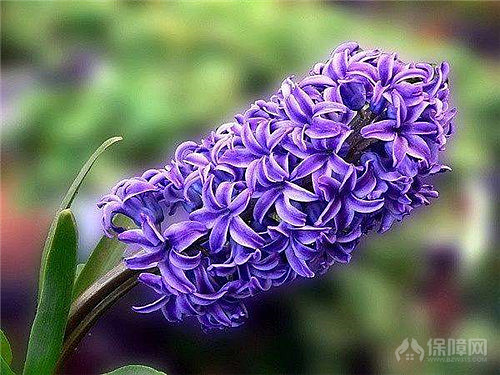
Hyacinth is a highly ornamental flower, grown in many parts of the world and also widely grown in our country. I often see many forums sharing experiences on propagating hyacinth bulbs, so today let us take a look at what the correct techniques for cultivating hyacinths are.
The Two Main Propagation Methods for Hyacinth Bulbs
Method One: Bulb Division Propagation
1. Wait until June (the dormant period), dig up the bulb, and you will be able to see the large bulb; at this point you should separate the small bulblets from the large bulb. Generally, after one year of growing, the mother plant will produce 1 to 2 bulblets. To increase the survival rate of hyacinth bulbs, you can cut into the large bulb during the summer dormant period to stimulate it to grow bulblets.
2. This is a rather complicated process. First, in August, be sure to do this only after the flower buds have already formed: scoop out part of the base of the bulb, cutting the basal plate evenly, then use a knife to cut a cross from bottom to top, deep enough to reach the bud core inside the bulb. The exuding mucus should be disinfected by smearing with mercuric chloride solution, then exposed to strong sunlight for 1 to 2 hours, and then spread flat indoors. Use temperature to induce the bulb to sprout.

Method Two: Seed Propagation
Compared with the method above, this method is relatively simple and is generally used when breeding new varieties. As the name suggests, it uses seeds to germinate. Sow in autumn, cover with 1 cm of soil, and wait for germination at the end of January to early February of the following year.
Correct Techniques for Cultivating Hyacinths
1. First is the handling of the hyacinth bulb. Before planting, it must be disinfected first, otherwise it will grow mold before it even sprouts. When disinfecting, first peel off the brown outer skin, then clean off the mold spots on the surface, and remove the side bulblets that have grown out. After washing clean, soak in disinfectant solution for about half an hour, then let it dry, and it is ready to plant.
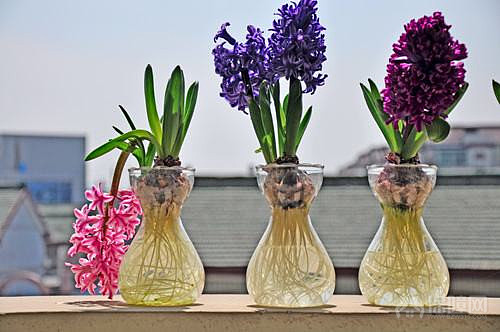
2. To grow hyacinths in water, pay attention to changes in the water level. At the beginning, the water level should be relatively high; after the roots grow out, the water level can be lowered. Do not leave all the roots submerged in the water. After the roots reach the bottom of the bottle, keeping the water surface at about 2/3 of the height from the bottom of the bottle to the base of the bulb is sufficient.
3. Adding a little nutrient solution to the water will make it grow better. At the same time, if you choose tap water, it should be left to sit overnight before adding it. In the early stage of rooting, appropriately add a little fertilizer. After the hyacinth flower buds appear, some nitrogen fertilizer needs to be added, and afterwards the proportion of phosphorus and potassium fertilizer will gradually increase.
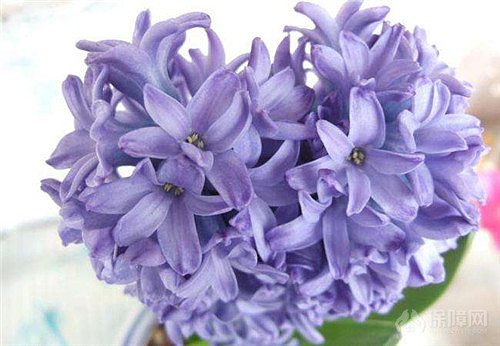
Hyacinth is a very beautiful flower. Nowadays many people grow hyacinths, and they also have a great decorative effect. Many brides choose hyacinths as bouquets. That is all for the methods of handling hyacinth bulbs, and I hope it can help everyone.