-

Is bellflower a perennial or an annual, is it toxic, and can you keep it at home if you have a cat?
Is bellflower toxic to cats? According to the ASPCA, bellflower is non-toxic to cats, as long as the cat does not eat it. Although bellflower tends to breed bacteria when soaked in water, it has no direct toxicity to cats themselves. Bellflower belongs to the Campanulaceae family and is generally grown as an annual, biennial or perennial
-

Is the anthurium flower toxic? Home care methods and precautions
The anthurium flower does indeed carry a certain degree of toxicity. Its toxicity mainly comes from the sap contained in the flowers, roots and leaves. This sap contains chemical elements that are harmful to humans, and if ingested by mistake or if the skin comes into contact with it, it may trigger discomfort or an allergic reaction. However, it is worth noting that this toxicity is often
-
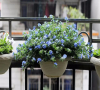
Is the white sap of the blue star flower toxic, and can it be eaten? Flower language and symbolism
The blue star flower (Oxypetalum coeruleum) belongs to the genus Oxypetalum in the family Apocynaceae and originates from tropical regions; it is an evergreen semi-climbing small shrub. Its plant height is 30-80 cm, the leaves are alternate, oblong, entire, with the leaf underside densely covered in white hairs; the flowers are axillary, gamopetalous, with a five-lobed blue corolla and a white star-shaped pattern in the center. It can bloom throughout the year, but each flower
-

Is Bleeding Heart Vine Toxic? Can the Fruit It Produces Be Eaten?
Bleeding heart vine (Clerodendrum thomsoniae), a plant whose very name sounds full of mystery and legend, is also known as pearl pagoda, qilin spitting pearls, guilan, pearl treasure grass, pearl pagoda, dragon pearl grass, striped trumpet flower, dwarf trumpet flower, and more. It is native to tropical West Africa. It is an evergreen, weak, climbing herbaceous plant, with four-angled stems, many fine and soft branches, and opposite leaves that are oblong, with acuminate tips, nearly rounded bases, entire margins, papery texture, dark green upper surfaces, light green undersides, and inconspicuous glandular dots.
-

Is the Peruvian lily flower toxic, and is it suitable to keep at home?
Today let's talk about the "Peruvian lily," which looks like both a narcissus and a lily. Its name comes from the unique structure of its flowers, as each petal usually has six lobes, hence the name "six-out flower." Its flower language is "looking forward to meeting," representing joy and reunion, so you can give it to a friend you haven't seen for a long time. The Peruvian lily is also known as the lily of the Incas, and after blooming
-

Is Purple Road Orchid (Zilu Orchid) toxic? Can it be kept indoors?
According to scientific research and analysis by botanical experts, Zilu Orchid does indeed contain certain toxic components. These toxic components are usually present in its sap, rhizomes and flowers. It is worth noting, however, that this toxicity is not severe or immediately capable of causing obvious harm. In general, merely normal viewing or slight
-

Is Snapdragon Toxic? Uncovering the Origin of the Name "Flower of Death"
The snapdragon's flower shape is elegant and distinctive, with delicate petals and vivid, richly varied colors, ranging from vivid red and romantic pink to fresh white, mysterious purple, and even bright yellow. The entire snapdragon plant contains a certain degree of toxicity, with its main toxic components found in the plant's sap. Although the
-

Introduction to the Toxicity and Characteristics of Yellow Emperor Perfume Lily
Yellow Emperor Perfume Lily, as a unique variety among perfume lilies, is it toxic? And what unique characteristics does it have? First of all, it should be made clear that the flowers of the Yellow Emperor Perfume Lily themselves are somewhat toxic. Its toxicity is mainly found in the bulb part, and if ingested by mistake it may cause vomiting,
-
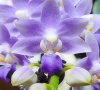
Is the Phalaenopsis Blue Star toxic? A look at varieties and flowering periods
Phalaenopsis Blue Star is simply a star of the floral world! Its unique blue flowers, like elves from a dream, are unforgettable at first glance. First, let's talk about the toxicity everyone is concerned about: Phalaenopsis Blue Star is non-toxic, so you can absolutely take it home with peace of mind and let it add a touch of beauty and warmth to your life.
-

How toxic is heavenly bamboo (Nandina domestica), and why do its leaves not turn red
Heavenly bamboo (Nandina domestica) is an evergreen shrub whose leaves change from green to red under the different climates of the four seasons, and it is loved for this unique charm. However, some friends say that the heavenly bamboo they bought does not turn red in autumn and winter - why? In fact, the color change of heavenly bamboo leaves is caused by many factors, and it may be
条件筛选