-

Introduction to the Pleurotus ostreatus 5.39 strain variety
Introduced from Bulgaria, with stable yields and a biological efficiency of 90%. The mycelium grows at 3-35°C, with an optimum of 23-26°C; the mycelium is downy, white, with orange-yellow pigment. The fruiting bodies grow at 5-22°C, with an optimum of 14-18°C. The fruiting bodies grow in clusters, imbricate, grayish-blue when young and grayish-white when mature. The flesh is white, the caps are mostly shell-shaped, and the stipes are white and lateral. The spore print is light pink. The peak fruiting period of this strain is concentrated from late May to mid-June. To obtain more flushes, sunken-bed cultivation must be sown in early to mid-April, and greenhouse cultivation in mid to late March.
-
How to train a dog to roll over: methods and detailed steps
If the dog has already learned the two commands "down" and "stay," then teaching it to roll over is very easy. Have it lie down, then command it: "Roll over!" While giving the command, grasp its chest and roll it from one side to the other to express your meaning. During the initial practice, do it several more times, and stop using your hand to help it roll as soon as possible. When it is begging for something, it will pay attention to your fingers, its eyes fixed on the food in your hand. Hold the hand with the food higher than its nose, curve your hand into an arch, and move it from the left, past its body to the ground, and then
-
Introduction to the Ganoderma New Strain Satellite No. 2 Variety
"Satellite No. 2 Ganoderma" was sent into space aboard China's recoverable satellite launched as "961020" for a 15-day journey, where it was exposed to large doses of ultraviolet radiation and weightlessness in the cosmos, thereby producing genetic mutations; after screening and cultivation trials, a new high-quality, high-yield Ganoderma strain was selected. Compared with a Ganoderma strain that was not carried into space (the control strain), "Satellite No. 2" can increase fruiting body yield by 75.3%, its high-quality product rate reaches 88.9%, its average fermentation rate is 2.57%, and its cellulase activity
-

How to train climbing roses to climb? A deep analysis from two aspects
Climbing roses are highly ornamental flowering plants, and many people across every region of our country grow them. However, as more and more people grow climbing roses, questions about how to train them to climb have also become a concern. So how do you train climbing roses to climb? Let's take a look below.
-
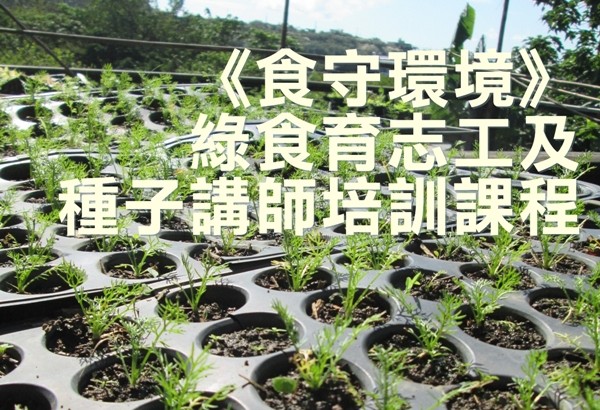
Food Guardian Environment Green Food Education Volunteer and Seed Instructor Training
"Food Guardian Environment" Green Food Education Volunteer and Seed Instructor Training
-
Which aquascaping training is the best? Come to Shandong and find Bense. Zero-basis systematic training, nearly 400 students nationwide, 85 franchise stores
For a long time, the pace of opening stores in China's aquascaping industry has been slow. This is basically because most people lack aquascaping skills and cannot solve the substantive problems; although they have the dream of starting a business, they are powerless to do so. Bense Aquascape focuses on aquascaping...
-
-

This woody potted plant blooms in all four seasons, stays short and is easy to grow, and can even be trained as a bonsai tree
Intro: Green potted plants are essential decorative touches for home life. Keeping some flowers and greenery at home brings many benefits: it beautifies your living space and lifts your mood. "Flower Sound Potted Plant Diary, Issue 1371" introduces you to a very beautiful woody plant....
-

Potted plants bloom profusely, and their beauty rivals that of peonies; they are easy to grow and can also be trained as bonsai
Introduction: Green plants in pots are essential decorative touches for home life. Keeping some flowers and plants at home has many benefits: they beautify the room and also lift your mood. "Flower Voice Potted Plant Diary, Issue 1335" introduces you to a very beautiful ornamental flower....
-
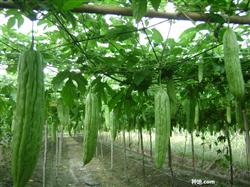
How to train the vines of bitter melon in arched sheds? Detailed technical points
How should bitter melon in arched sheds be vine-trained? Please advise. When visiting the countryside, I saw that many vegetable growers left too many lateral vines on their arched-shed bitter melon, resulting in poor air circulation and light penetration, slow plant growth, and a serious impact on increasing bitter melon yields. When asked why they did not train the vines, the growers said that bitter melon mainly sets fruit on lateral vines,...
条件筛选