-

How to Identify Inferior Cooking Oil? Key Points for Quality Control from Cultivation to Purchase
Inferior cooking oil harms health. This article systematically introduces methods for identifying inferior cooking oil and key safety control points, from oilseed cultivation, harvest and storage to oil pressing and purchasing, helping growers and consumers safeguard the quality of every drop of oil.
-
A Complete Guide to Identifying and Controlling Common Potted Flower Pests
Common pests of potted flowers include aphids, spider mites, scale insects, whiteflies, thrips, and snails. This guide explains the key identification points and damage symptoms of each type of pest, and provides control methods such as chemical spraying, trapping, and manual capture, helping flower growers spot and treat pests early.
-
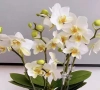
After upgrading the cup of young Phalaenopsis seedlings, learn step by step how to grow strong seedlings, identify roots, and care for them all in one go
When growing young Phalaenopsis seedlings, many flower enthusiasts always think "young seedlings don't need an urgent cup change," and end up stifling the seedlings! Just like this 1.7-inch tissue-cultured seedling at the base, after only 4 months of growing, the roots are already densely emerging and look about to drill out from the bottom of the cup - at this point, it must be upgraded in time, switched to a 2.5-inch cup, to give the young seedling enough
-

Do Older Phalaenopsis Seedlings Produce Bigger Flowers? Teach You to Identify Seedling Age
For those new to Phalaenopsis, the relationship between seedling age and flower size, as well as how to identify the age of a Phalaenopsis seedling, may be unfamiliar topics. When growing and buying Phalaenopsis, many people wonder: do older Phalaenopsis seedlings produce bigger flowers? And how can you identify the age of a Phalaenopsis seedling? From a theoretical
-

How to Identify Healthy Roots in Phalaenopsis Orchids and the Role of the Root System
Phalaenopsis, an elegant and popular ornamental plant. To grow Phalaenopsis well, the health of the root system is crucial. Understanding what kind of roots are healthy roots, and what role Phalaenopsis roots play, is the key to cultivating beautiful plants. Healthy Phalaenopsis roots, first of all, have obvious characteristics in color. Normally growing, healthy
-

Can You Buy Post-Bloom Phalaenopsis Orchid Seedlings? How to Identify Them and Whether They Will Bloom
Phalaenopsis, a popular choice in the flower market. Many flower lovers have noticed that there are relatively inexpensive post-bloom Phalaenopsis orchids on the market, so can these post-bloom plants actually be bought? Will they bloom again later? And how can you tell whether a plant is a post-bloom one? From the perspective of price and potential, post-bloom plants are worth buying. Because
-

What Are the Common Toxic Houseplants? Learn to Identify and Prevent Plant Poisoning
In everyday life, plants add greenery and vitality to our home environment. However, some plants hide a danger: the toxins they contain may pose a threat to health. Below we explain how to identify and prevent plant poisoning, along with their toxic effects and preventive measures. How to identify and prevent plant poisoning:
-

How to identify and control anthracnose in Phalaenopsis orchids?
For a flower lover who deeply adores Phalaenopsis orchids, the most feared thing is the threat of pests and diseases during their growth. Today let's talk about the new Phalaenopsis orchid virus, "anthracnose." Anthracnose is characterized by being pitch-black, looking as if it has been scorched by fire - perhaps that is why its name contains the character for "charcoal." Another characteristic is
-
How to Identify and Control Scale Insects on Orchids
How do you identify and control scale insects on orchids?
-
How to identify Huangdan tree seedlings, and how many years of planting until fruiting?
The Huangdan tree is not actually a kind of tree, but the name of a traditional Chinese medicine, being the stems and roots of the Berberidaceae plant Berberis lushanensis. Its appearance is a dried stem that is subcylindrical, with a grayish-brown surface, grooves, and a few small lenticels; it mainly grows under forest and beside ditches, and is distributed in
条件筛选