-

The three main causes of cotton diseases: climate, seeds and cultivation
The occurrence of cotton diseases is closely related to climate, seed quality and cultivation practices: low temperature and high humidity easily cause seed rot and sprout rot, poor-quality seeds produce weak seedlings, and continuous cropping, low-lying waterlogged land, rough land preparation and sowing too early all worsen the disease.
-
Weed control in summer sesame fields: master three stages and use the right herbicides to prevent weed infestation
The seedling stage of summer sesame coincides with high temperatures and frequent rain, making weed infestation likely. This article explains the dosage and methods for three stages: soil-closing treatment after sowing but before emergence, non-selective paraquat weed control before emergence, and selective quizalofop-p-ethyl weed control after emergence, helping you effectively control grass weeds.
-

Three hydroponic plants that are easy to grow and full of style: the pros and cons explained in one go
Lots of friends ask me which hydroponic plants are best to choose - no need to dig in soil or fertilize, and just watching the roots drift in the water is so soothing. Today I've picked 3 beginner-friendly ones - umbrella papyrus, pennywort, and taro - and I'll lay out their pros and cons clearly, so after reading you'll know which one to choose! Umbrella papyrus: this one also has a lovely name
-
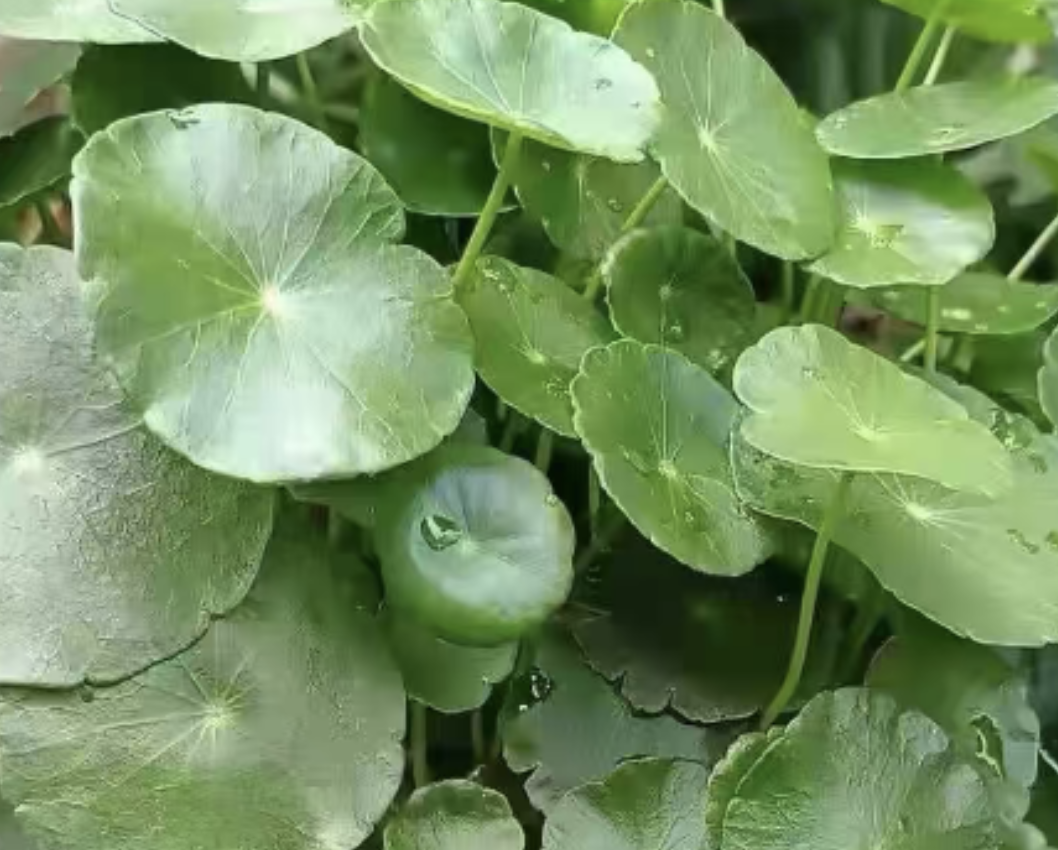
These Three Hydroponic Plants Are Easy to Care for and Look Stylish – All the Pros and Cons Explained
Many friends ask me which hydroponic plants are the best to choose. You don’t have to worry about turning the soil or applying fertilizer. It’s so soothing to
-

Shade-tolerant and they still bloom all year? These three potted plants are effortless to care for
Many flower lovers have only average light at home and always say, "I want to grow flowers but get no sun, so I can only keep pothos"? Actually, some plants are naturally shade-tolerant and can bloom all year round, and they thrive even in a living room or on a north-facing balcony. Anthurium: it is a "shade-tolerant blooming little expert." Its red spathes look like little candles, so glossy they seem fake! The "little stick" in the middle is the real flower spike. It can stay in bloom for three or four months without fading.
-
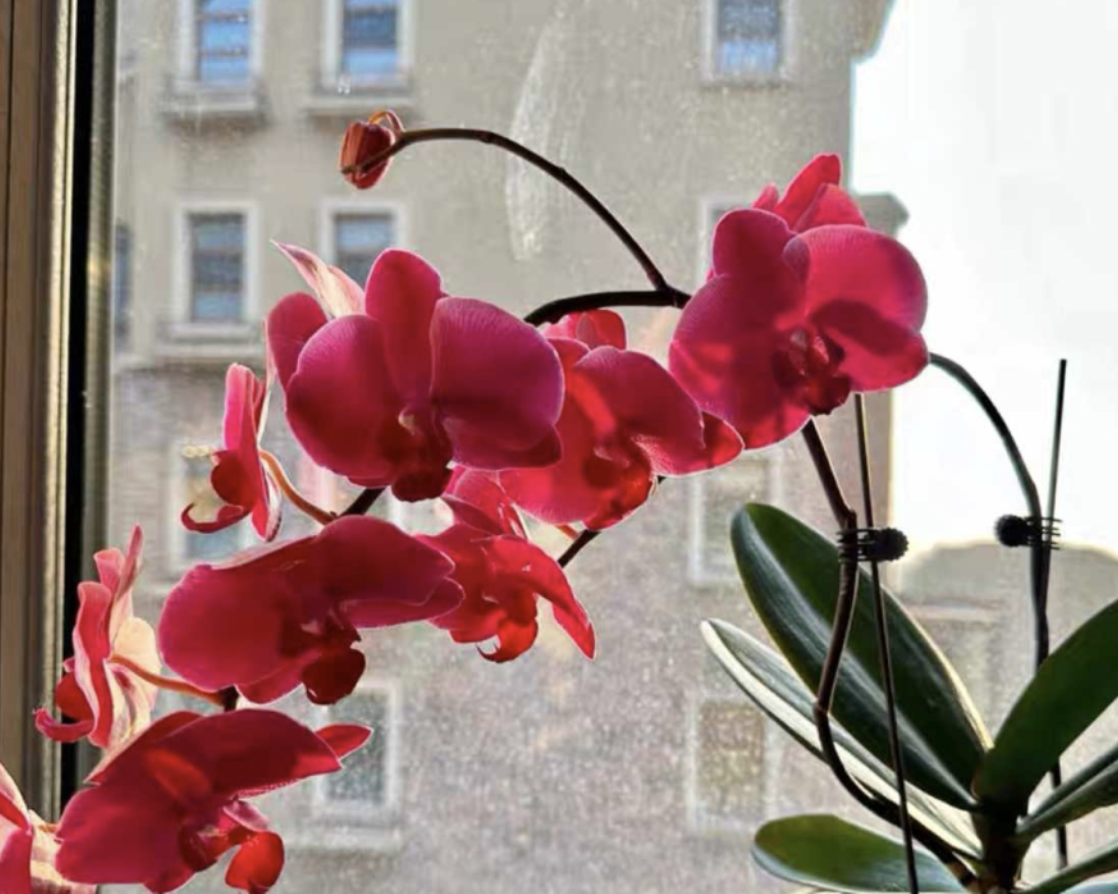
Perennial shade-tolerant plants that still bloom? These three "magical plants" are incredibly low-maintenance!
Many flower enthusiasts complain that they don’t get enough sunlight at home, saying, "I want to grow flowers, but I can’t get enough sunlight, so I only grow
-

Do scale insects on Phalaenopsis orchids chew the leaves? Three of the simplest ways to get rid of them
In recent years, Phalaenopsis orchids have taken the world by storm, and many households keep 1 or 2 pots to join in the trend. But buying them is easy, while growing them easily brings all kinds of problems, and the problems are new every day. For beginners, the result is usually growing the Phalaenopsis to death. When beginners grow flowers, they really must grasp the key points, and what they should learn most
-
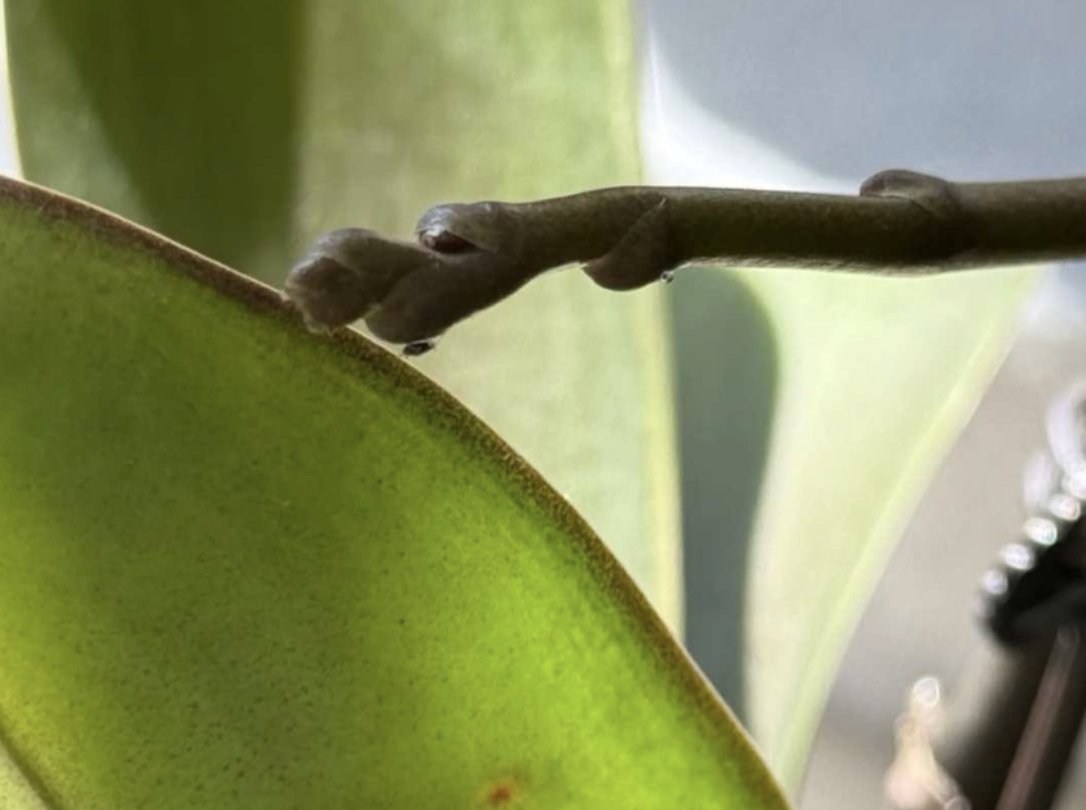
What are the three simplest methods to deal with mealybugs on butterfly orchids?
In recent years, butterfly orchids have become incredibly popular worldwide, with many people keeping one or two pots as a trend. However, while buying them is
-

How to choose potting medium for Phalaenopsis in the South? Choose these three and avoid detours
For flower lovers in the South growing Phalaenopsis, the biggest headache is not watering or fertilizing, but choosing the wrong potting medium - after all, it rains at the drop of a hat in the South, and the air is so humid you could wring water out of it, so the wrong medium means root rot in no time. When growing Phalaenopsis in the South, the core of choosing a potting medium comes down to two words: airy! well-draining! Anything that holds too much water or tends to compact should be pushed aside!
-
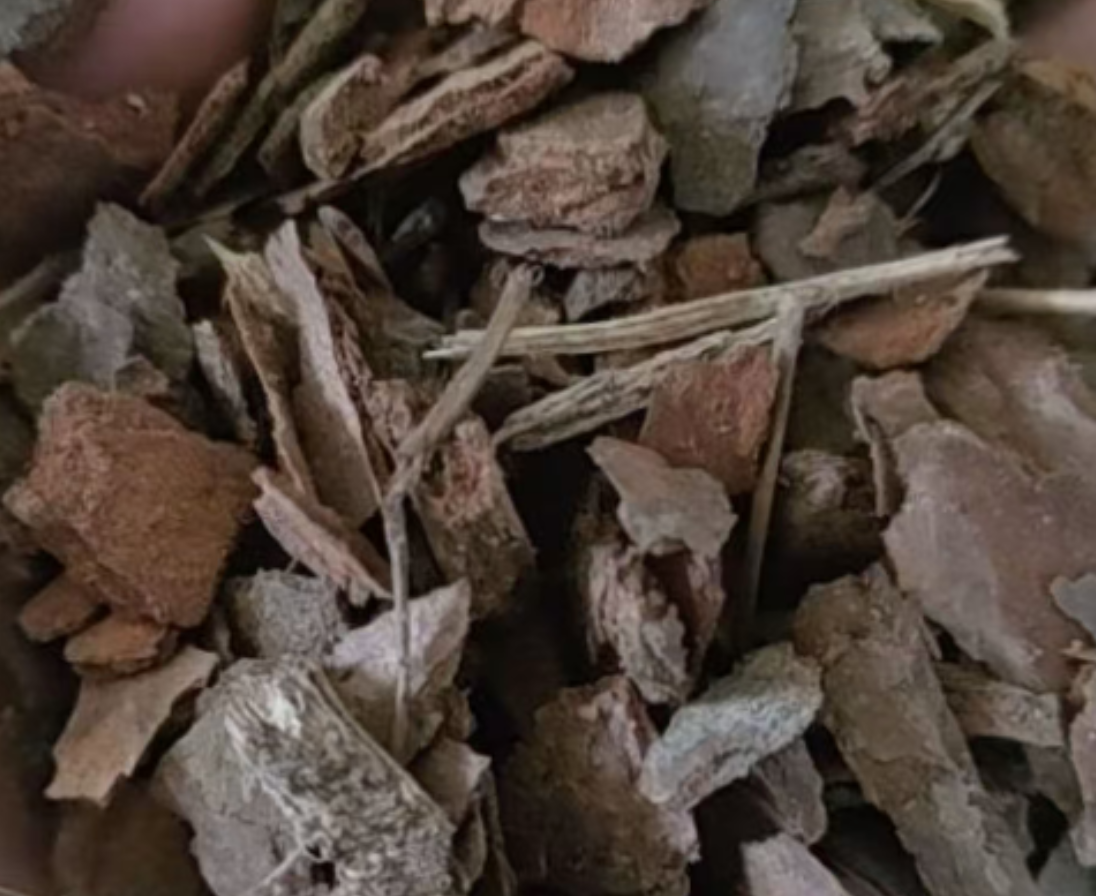
In the South, choose these three types of substrates for growing Phalaenopsis orchids to avoid pitfalls!
For orchid enthusiasts in the South, the biggest headache isn't watering or fertilizing, but choosing the right substrate. Given that it often rains in the
条件筛选