-

Control Methods for the Mango Leaf Gall Midge Pest
This insect is distributed in production areas including Guangdong, Guangxi, Hainan, Yunnan and Fujian, and is a frequently occurring major pest. It severely damages flush-stage leaves; each leaf may have several or a dozen galls, greatly affecting the quality of new flushes. Damaged leaves are left with numerous perforations, affecting
-
Methods and Technical Key Points for Controlling Rice Pests and Diseases in the Mid-to-Late Stage
This year's rice insect pests are mainly migratory and boring pests, with an estimated affected area of 730 million mu-times. With multiple pests and diseases jointly affecting mid-to-late stage rice, experts recommend using a combination of agroecological control techniques and chemical control measures.
-
What is a dung beetle? Introducing you to this insect
Many people do not know much about the dung beetle. What is a dung beetle? What physical features does it have? What are its living habits like? Below we will introduce the dung beetle to you. What is a dung beetle? The dung beetle is also called the shi ke lang, and many people also call it shi ge (g) lang
-
Are longhorn beetles beneficial insects or pests? Getting to know this common insect correctly
As an insect, the longhorn beetle is hard for many friends to judge as good or bad, since they only know where it usually lives. So, is the longhorn beetle a beneficial insect or a pest? Let's take a look together! Is the longhorn beetle a beneficial insect or a pest? The longhorn beetle is a pest. 1. The longhorn beetle is a
-
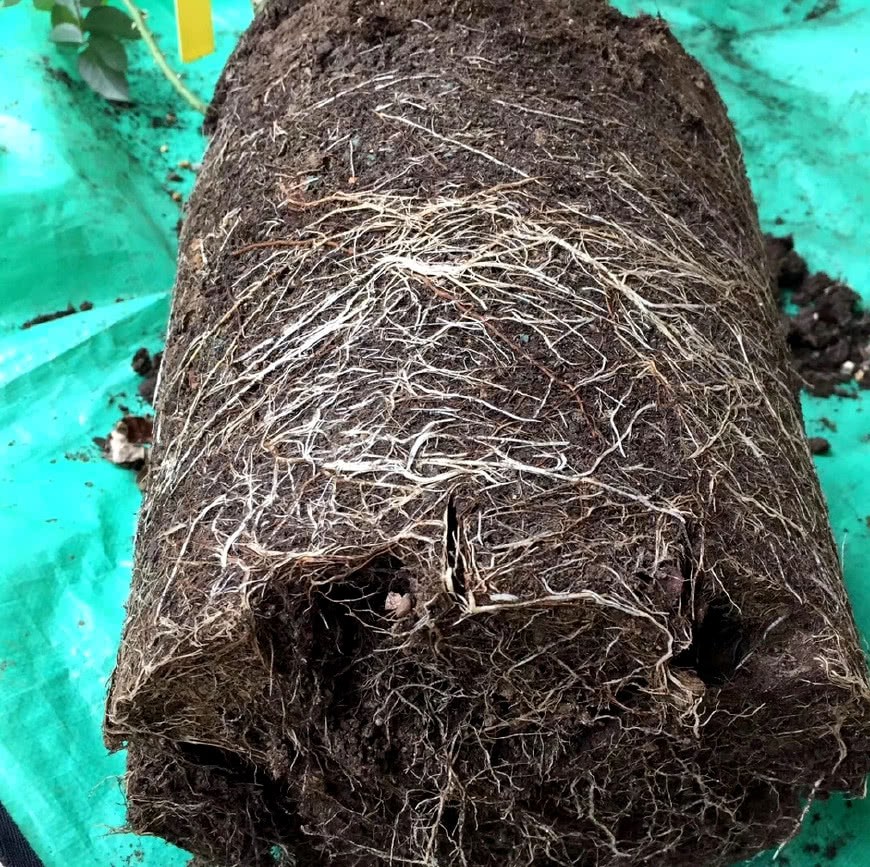
Treat the leftover soil from repotting this way to turn it into new soil, rich in nutrients and free of insect eggs, and your flowers will grow like crazy
Many gardening friends have left comments asking whether the soil left over from repotting flowers can still be used again. The answer is of course yes, but it must be treated before use! Let me teach you how to do this: old soil becomes new soil, with nutrients and no insect eggs, and the flowers all...
-
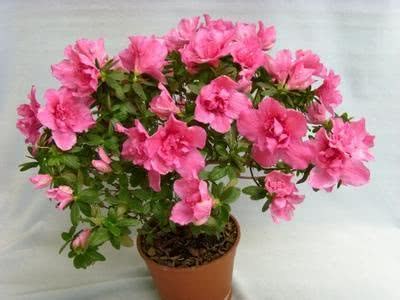
Spray a bit of this on your flowers in summer, and it drives away mosquitoes and insects even better than pesticides
As the weather gets hotter and hotter and summer draws nearer, mosquitoes and insects are gradually increasing, and the potted plants kept by many flower lovers are almost ruined by mosquitoes and insects. They want to spray some pesticide on them, but fear the toxicity is too strong, which would harm the potted plants and also do some harm to the human body...
-
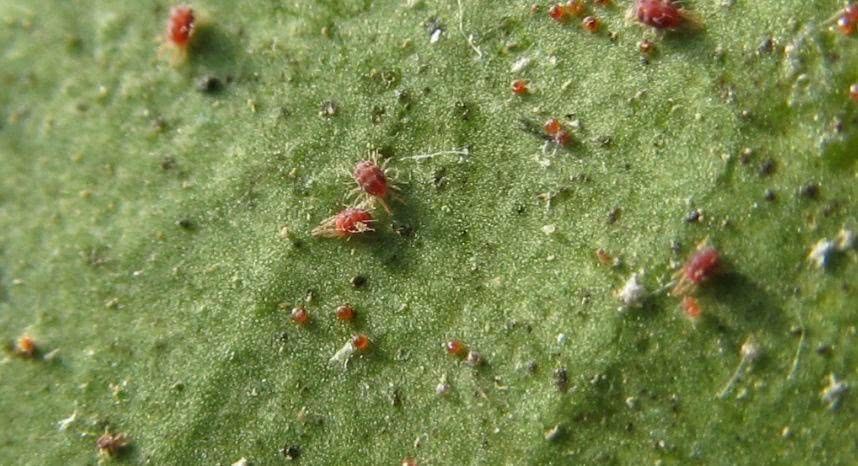
What should you do when houseplants attract pests? Learn this one trick and you won't need to buy insecticide
If your flowers are sick and you don't treat them, how can they ever bloom in a full pot? Today, Huahua is going to teach everyone how to effectively prevent and control several common pests and diseases. The methods are simple and easy to learn at a glance! If you want to never worry about your flowers again, take a quick look~ Spider mites...
-
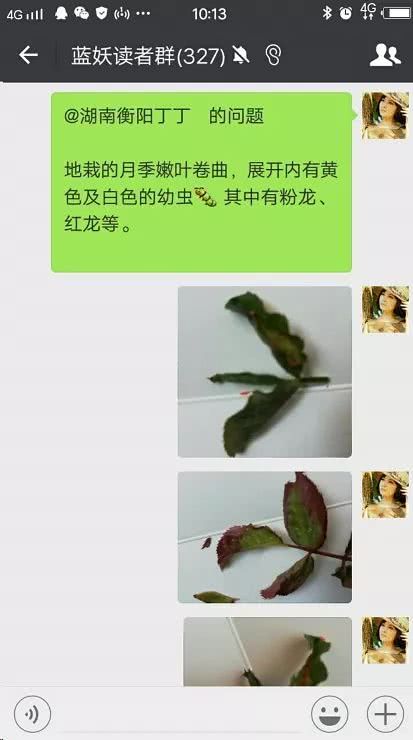
When roses are harmed by this insect, the damage is severe, yet very few people recognize it
This is day 875 of Lanyao's daily original articles. Rose growing series article: No. 72. When it comes to growing roses, we have to talk about rose pests and diseases. In previous articles, Lanyao also introduced a prevention plan for rose pests and diseases, but yesterday in Lanyao...
-

Houseplants easily attract pests; spray this and you won't need to buy insecticide
Recently, some gardening friends have reported that as the weather gets hotter, the few plants they painstakingly cultivated have all been invaded by fungus gnats. Today, Huahua will teach everyone how to wipe out fungus gnats! The lure method - Gardening Encyclopedia - as the name suggests, it means placing something around the flower pot...
-
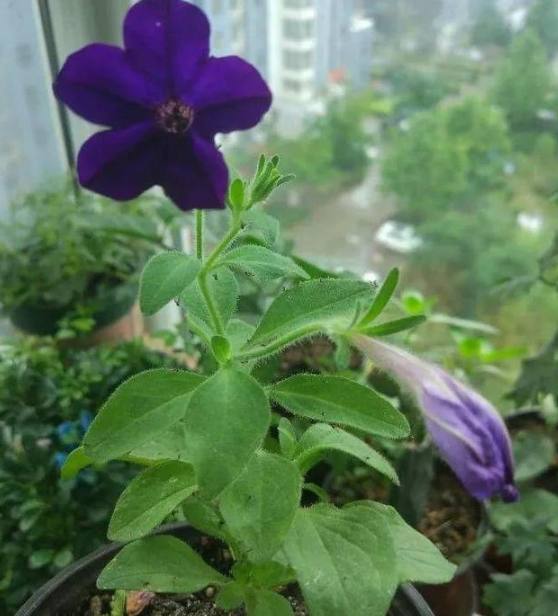
Fungus gnats fear this plant the most; place it where potted plants are clustered and you can even skip the insecticide
Once summer arrives, the most annoying thing is probably the fungus gnats in the flower pots, right? They generally love to suck the roots and stems of flower seedlings, and after they finish sucking they go on to suck other flowers. A few carefully tended pots of flowers get infested by them, but...
条件筛选