-
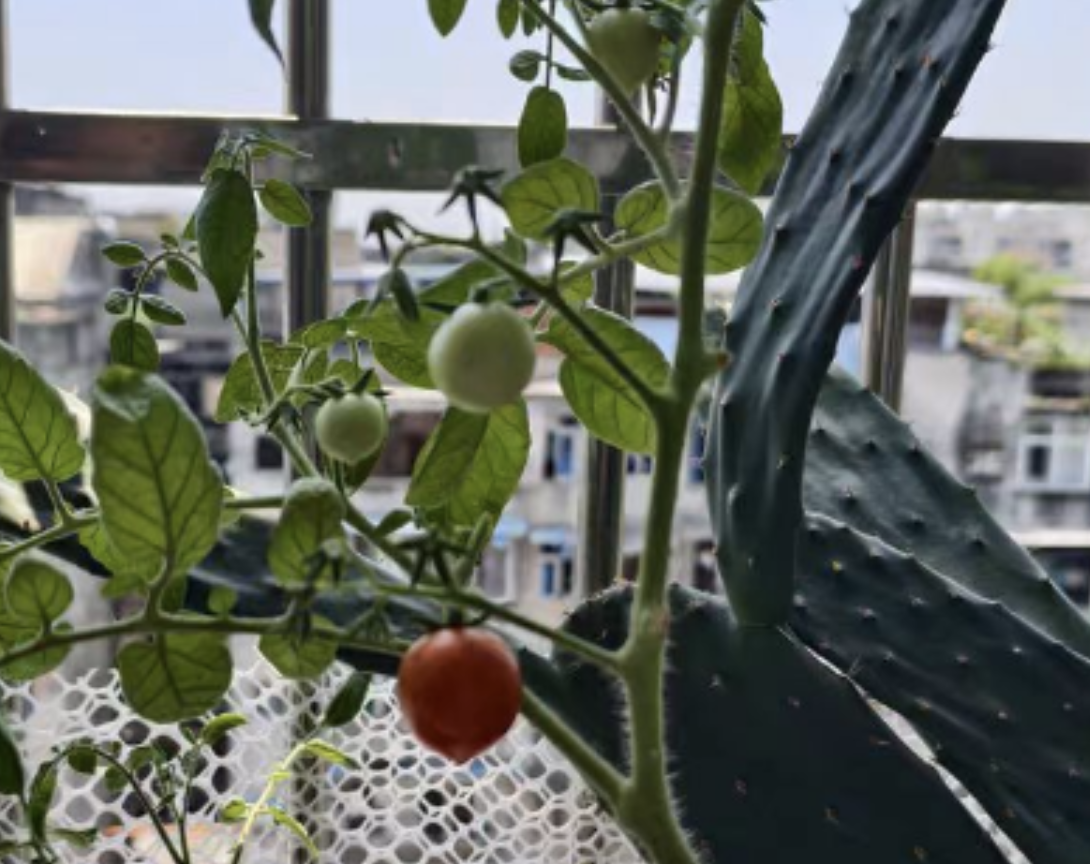
What does it mean if there is white fuzz on the roots and stems of tomato seedlings?
When growing tomatoes, many people notice white fuzz growing on the roots and stems of tomato seedlings. What does this mean? Actually, it could be a normal
-
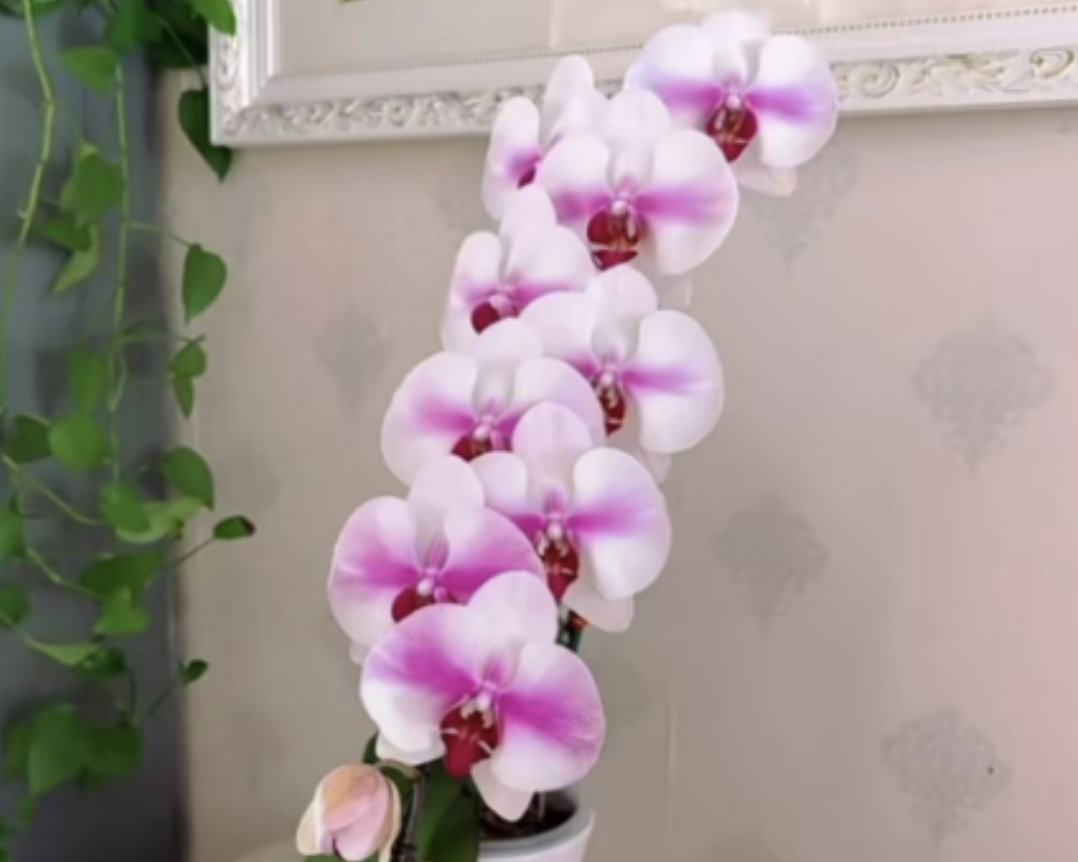
Can you prune the roots of Phalaenopsis orchids in autumn? Make sure you understand these key points before taking action!
"It's autumn, and the roots of my Phalaenopsis orchid look messy—should I prune them?" There isn't a definite answer, but it's generally okay to prune, as long
-
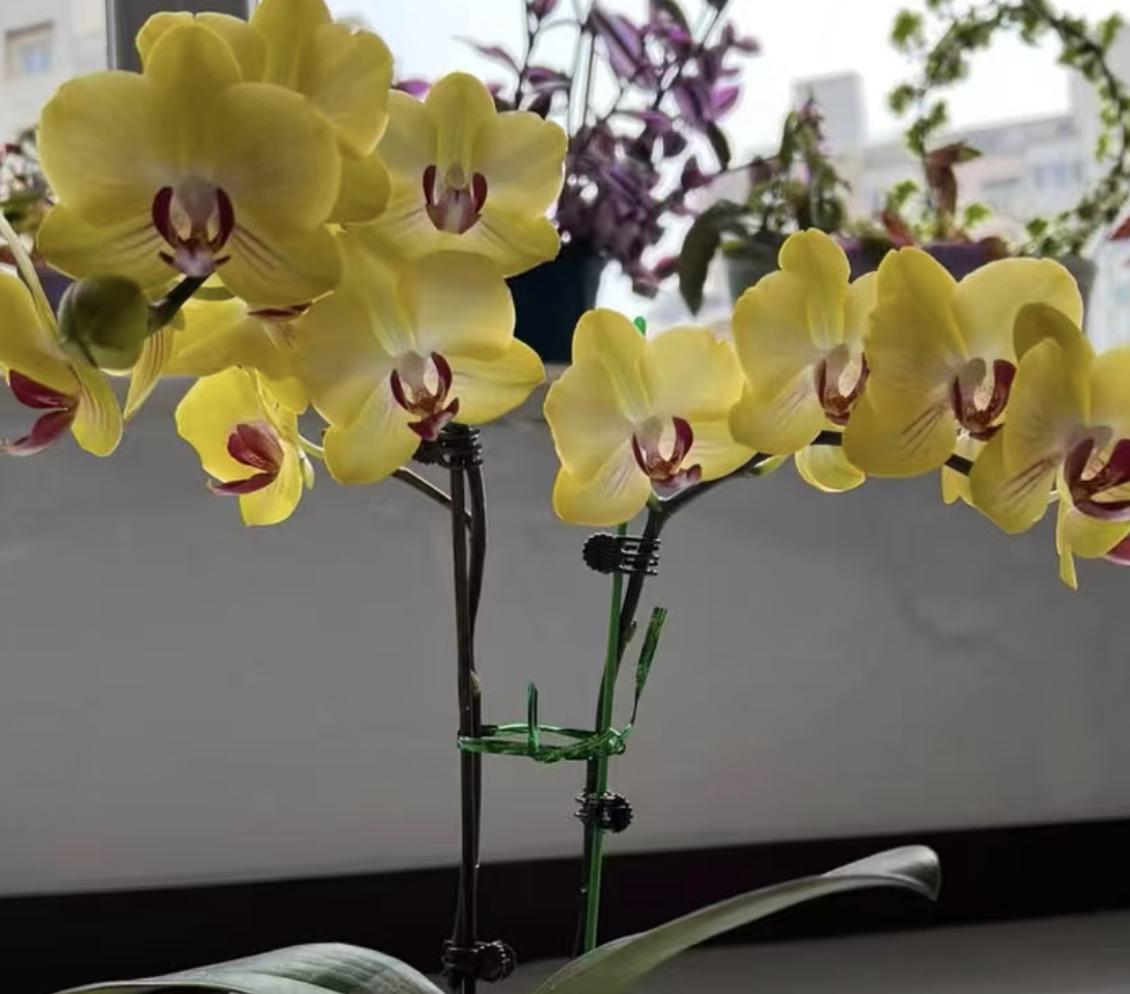
Can the roots of a Phalaenopsis orchid perform photosynthesis?
Many people are attracted to Phalaenopsis orchids because of their beautiful appearance. They eagerly buy them, but soon realize that taking care of them is
-

Detailed steps for repotting and changing the soil of a Phalaenopsis orchid: what do you do when the roots are too long to fit into the pot?
"You can't repot a Phalaenopsis orchid well without a few tricks." This remark comes from a shop owner with years of experience, because having a professional repot it costs 25 yuan each time. Is this just the owner's smooth talk to make money, or is it really true if you try it? The editor can say responsibly that the answer is actually half and half.
-
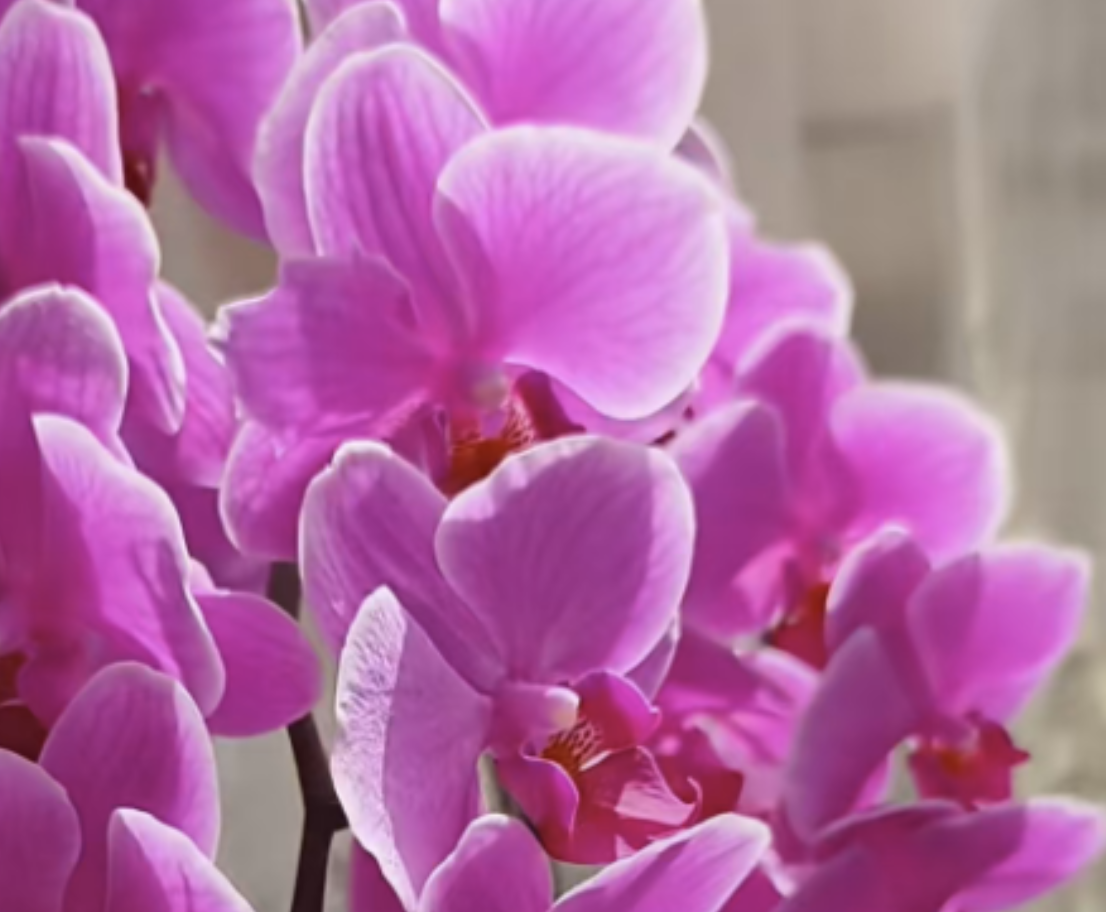
Does it mean stem rot when the roots of a Phalaenopsis orchid turn black? What causes black roots in Phalaenopsis orchids
The roots of my Phalaenopsis orchid used to be plump and white, but suddenly they turned black. Many people, seeing this, immediately panic: “Oh no, stem rot!”
-
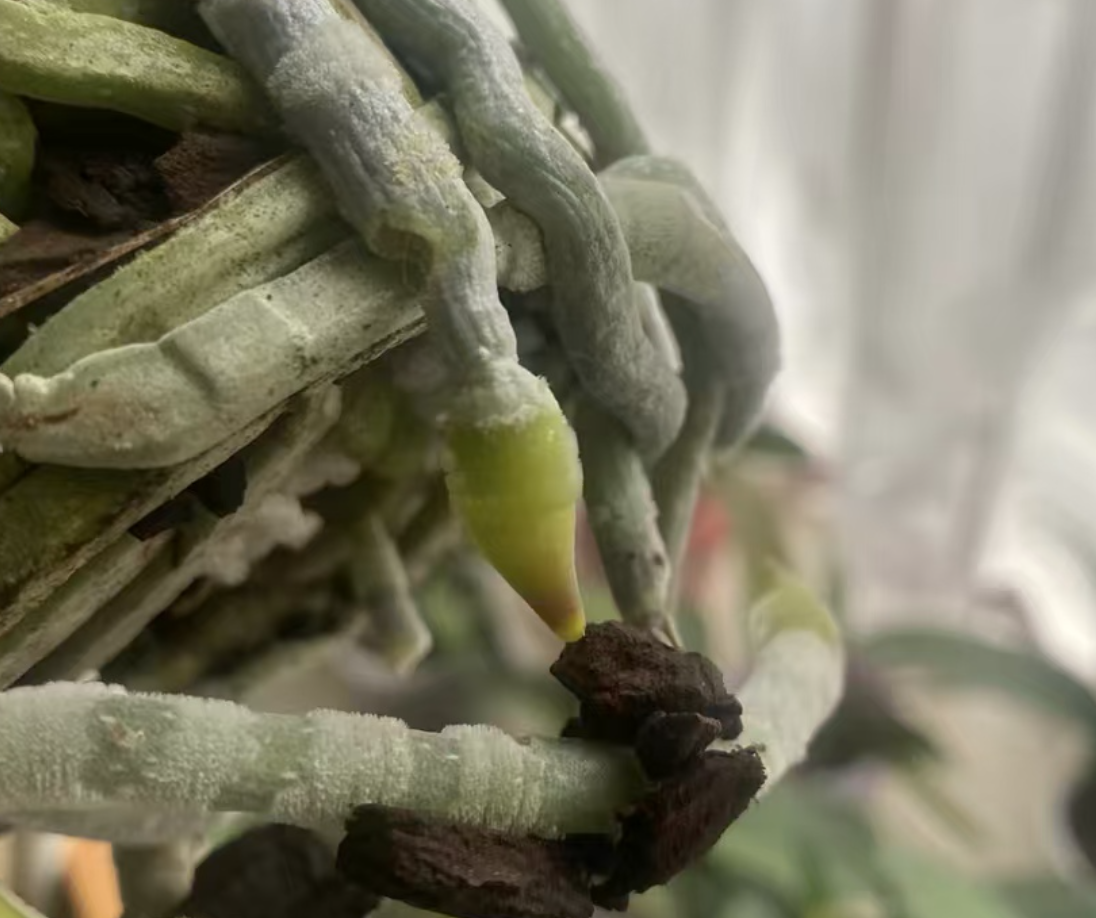
How do you repot a Phalaenopsis orchid step by step? And if the roots are too long, how do you fit them into the pot?
“Repotting a Phalaenopsis orchid isn’t something you can do well without a few tricks up your sleeve,” says an experienced orchid shop owner. And indeed,
-
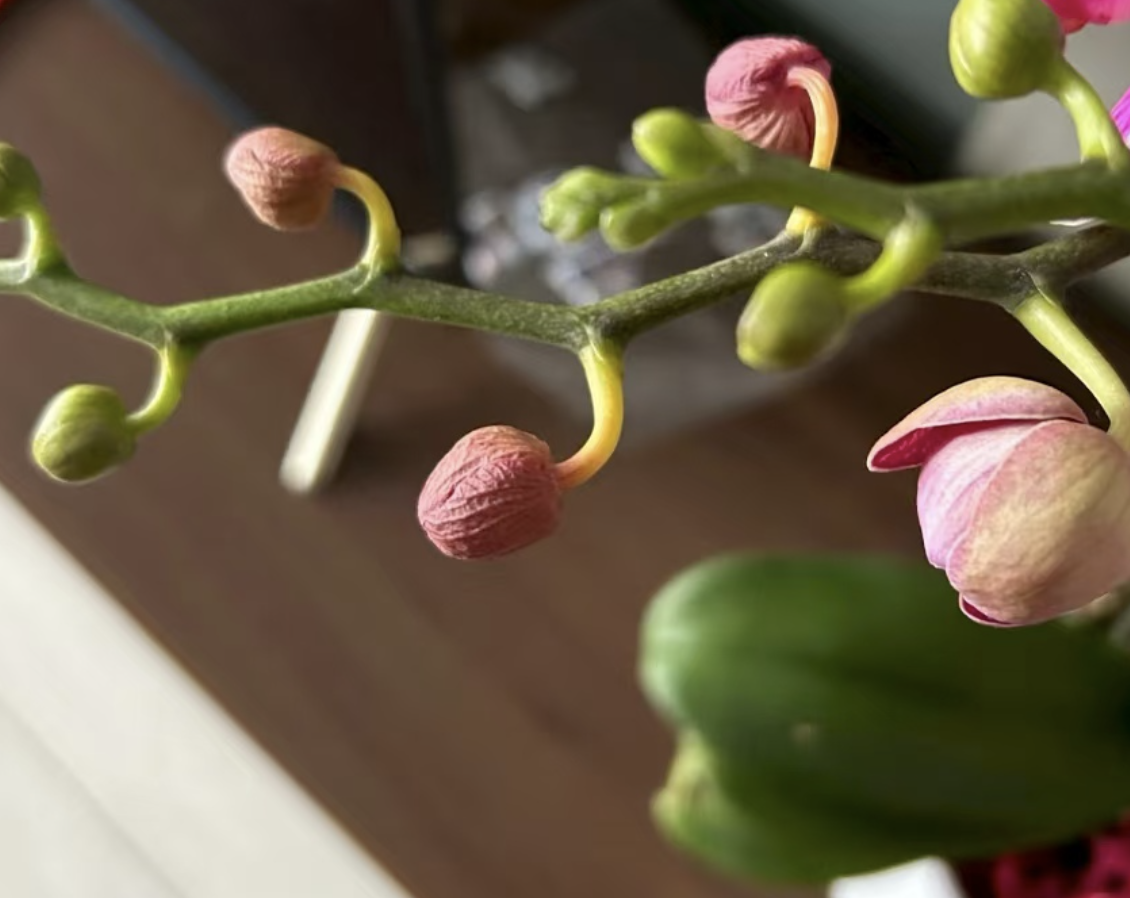
What should I do if the roots of my Phalaenopsis orchid get broken? Can a Phalaenopsis orchid survive if its roots are damaged or broken?
As we all know, Phalaenopsis orchids have won the hearts of many plant lovers with their beautiful flowers. However, when it comes to care, not everyone
-

Should you trim the roots of a Phalaenopsis? Trim correctly in these 3 situations for strong roots and abundant blooms
If you see the roots in a Phalaenopsis pot either sticking out in a tangled mess, or some turning black and soft, should you trim them or not? Some people think "roots are the life of the flower" and are afraid of harming it by trimming; others think "if you don't cut bad roots, they'll spread" and go at it too harshly. In fact, Phalaenopsis roots shouldn't be trimmed casually - it depends on the situation. Trim correctly and it will
-

After upgrading the cup of young Phalaenopsis seedlings, learn step by step how to grow strong seedlings, identify roots, and care for them all in one go
When growing young Phalaenopsis seedlings, many flower enthusiasts always think "young seedlings don't need an urgent cup change," and end up stifling the seedlings! Just like this 1.7-inch tissue-cultured seedling at the base, after only 4 months of growing, the roots are already densely emerging and look about to drill out from the bottom of the cup - at this point, it must be upgraded in time, switched to a 2.5-inch cup, to give the young seedling enough
-

Tired of root rot when growing flowers? Tuck a few small things into the pot for better airflow and drainage, and the roots will grow stronger
The biggest headache in growing flowers is root rot - you clearly don't water much, yet the plant still droops, and when you take it out of the pot it's all black, mushy rotten roots, heartbreaking and a waste. Actually, the core problem with root rot is just one thing: water accumulates in the pot and can't drain out, so the roots are smothered in wet soil and lack oxygen. Don't just blame yourself for being heavy-handed with the watering can - add some "small things" to the pot,
条件筛选