-

Is Calathea leopardina suitable for growing at home? Symbolism, care methods and precautions
In traditional Chinese thinking, plants are not just a part of the natural world; they are also a spiritual support in everyone's life. Retired workers, or friends under too much work pressure, will find their mood unwittingly fuller and happier when they keep a few green plants. Today I'm sharing an indoor plant that has become popular online in recent years, "Calathea leopardina".
-

Why is the daylily called the mother flower? Detailed planting methods and precautions
Today we introduce a herbaceous plant that symbolizes motherhood, and that is the "daylily." It is native to southern China, mainly in the moist ravines of the Qinling Mountains at altitudes of 300 m to 2500 m. The reason it is praised as the flower of mothers comes from the plant's own love of moist environments. In ancient times, houses facing south were relatively
-

The Benefits and Effects of Black Locust Flowers and Container Care and Management Methods
Today we look at a plant with a rather unique form in the plant kingdom, the black locust flower (Robinia pseudoacacia). It belongs to the Fabaceae family, and after it blooms it has an ever-changing palette, sometimes appearing yellow, sometimes appearing orange, giving people an unusual romantic feeling. The flower language of the black locust flower represents praise and declaration, and it can be given to a lover
-
Is Camellia afraid of the cold? Teaching you the best care methods
The camellia plant has an elegant form, with luxuriant and glossy branches and leaves, and the leathery texture and finely serrated edges of its leaves add a touch of refinement. As for its flowers, whether the simple and elegant single-petaled ones or the majestic and luxurious double-petaled ones, the flower colors are rich and varied, including white, pink, red, and some rare varieties that display unique
-
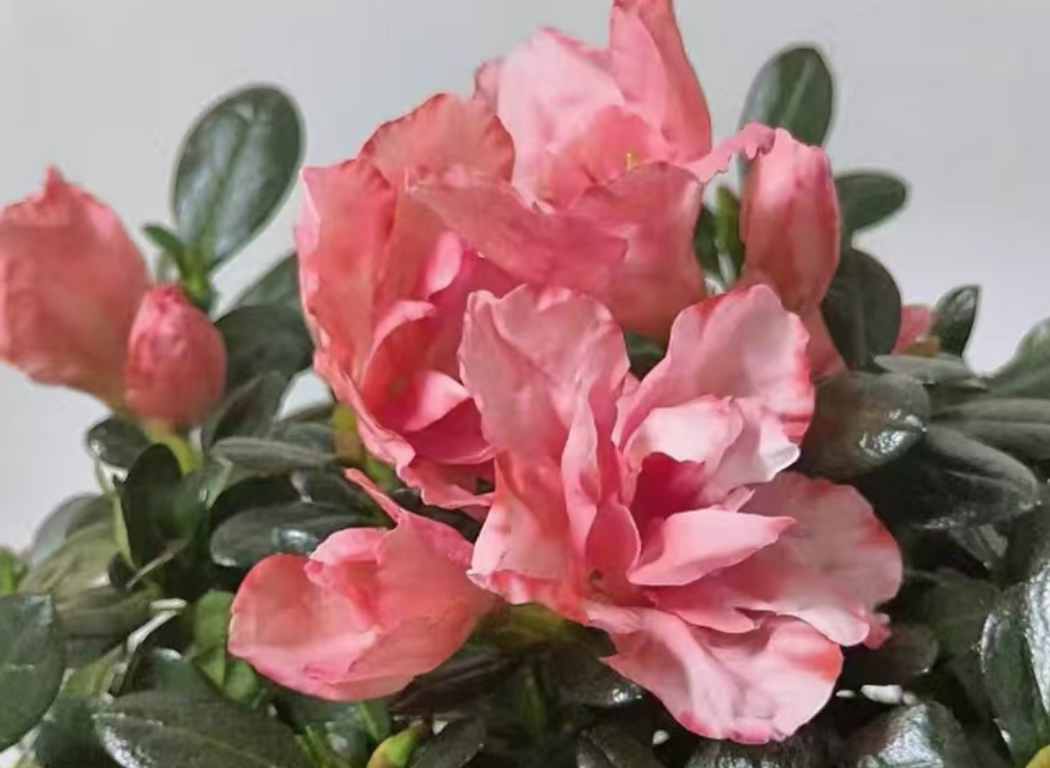
What is the correct method of using beer as fertilizer?
I believe that friends who love plants all hope that the plants they raise can be covered with lush leaves and blooming with bright flowers. Then, what little
-

Why Is Leaf Cutting Not Suitable for Phalaenopsis Orchids? An Analysis of the Correct Propagation Methods
Phalaenopsis orchids (Phalaenopsis spp.) originate from tropical and subtropical regions and belong to the epiphytic orchids, usually growing on tree trunks or rocks. Their root systems are well developed and can absorb moisture and nutrients from the air, which is why they are called aerial roots. However, when it comes to propagating Phalaenopsis orchids, many flower enthusiasts have misconceptions, especially regarding leaf cutting as a propagation method. Web
-

Is the dragon bone plant (Euphorbia tirucalli) poisonous when grown at home? Growing methods and precautions
Many people have probably heard that in feng shui, if you want a plant to ward off evil spirits and protect the home, you should choose one with a bold and imposing appearance. So today we are sharing a tall-growing dragon bone plant; although it does not have many leaves, each stem has an irregular fish-scale pattern, which makes it look full of vitality, and
-
What to Do When the Top of a Potted Pomegranate Dries Out? Plus Winter Care Methods
Potted pomegranate plants grow 30-150 cm tall, with ancient-looking, vigorous, sturdy branches, slender and tough leaves, and flowers shaped like little trumpets. The petals are mostly red, though some are white or pink, soft and lightweight in texture. The fruit is 5-10 cm in diameter; when ripe, the skin is red or yellow, smooth and glossy with spots, and the seeds are like rubies, plump and abundant.
-

Is the Phalaenopsis easy to grow? Home cultivation methods and precautions
As is well known, the Phalaenopsis has won the hearts of many flower lovers with its elegant bearing and delicate flower shape. At the same time, however, the care involved in growing Phalaenopsis makes many people feel intimidated. Some say that growing a Phalaenopsis is like raising a baby, requiring careful tending and patient care. But for veteran friends who have been at it for many years
-

Is the sago palm a fern? Growing methods and points to note
The sago palm (Cycas revoluta) is a widely popular ornamental plant, yet many enthusiasts still have certain questions about its classification and how to grow it. Below, we explain in detail whether the sago palm is a fern, along with its growing methods and points to note. The sago palm is not a fern; it belongs to the gymnosperms.
条件筛选