-
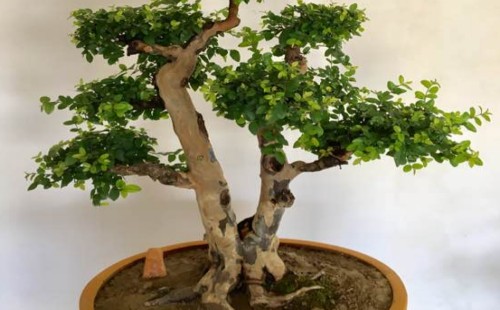
Can Sageretia be grown in nutrient soil? The answer is here
The roots and trunks of Sageretia thea (Chinese sweet plum) usually grow in very peculiar shapes, and the plant changes through the four seasons with a thousand varied forms, so its ornamental value is very high, making it an excellent source material for making bonsai. Not only that, Sageretia also has fairly strong adaptability to the environment, and its requirements for potting soil are not strict
-
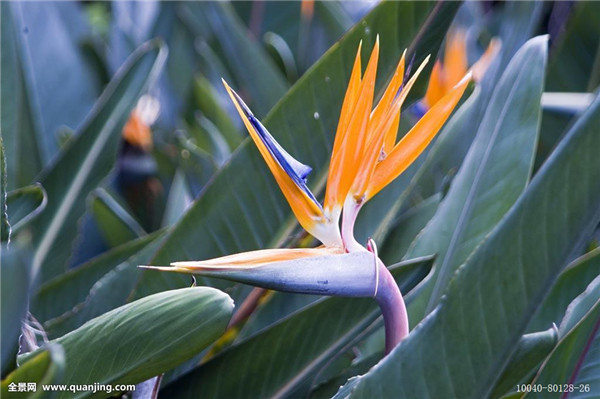
Why isn't your Strelitzia (bird of paradise) blooming? The answer is here
Many people are surely familiar with the Strelitzia (bird of paradise). It is a very prized ornamental flower, and especially when it blooms, the flowers are extraordinarily captivating. But many home-grown Strelitzias still fail to bloom after years of cultivation. What exactly is going on? What is causing this?
-
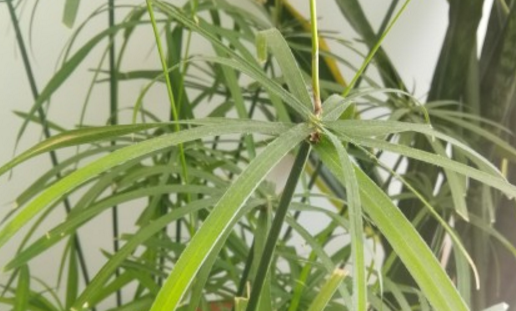
Hydroponic Methods for Umbrella Papyrus (Cyperus alternifolius) in the Sedge Family, with Answers to Sun Exposure and Root Rot Problems
Umbrella papyrus, also known as umbrella plant, water bamboo, water palm, and windmill grass, so what is the hydroponic method for umbrella papyrus? Can it be exposed to the sun? What to do about root rot? According to the information available, umbrella papyrus likes a warm and slightly humid environment, needs ventilation and sunlight, and a shaded environment is best; just do not expose it to the scorching sun.
-
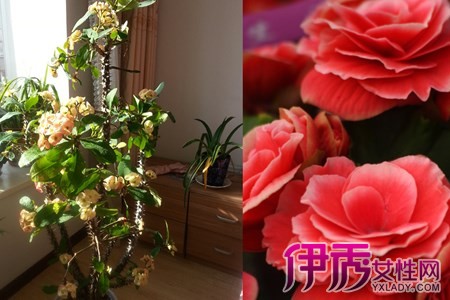
Is the four-season begonia toxic? Answering whether it is suitable for indoor cultivation
The four-season begonia is a succulent herbaceous plant, and this plant is the most common indoor cultivation. This plant has graceful branches and leaves and lush clusters of flowers. This plant is one of the most suitable plants for indoor decoration, and flower growers are also very fond of this plant
-

Can the Chinese fringetree (Chionanthus retusus) be made into a bonsai? The answer is here
The best time to propagate the Chinese fringetree is generally from September to October each year, while cuttings are usually taken during the two months of July and August. Its bonsai-making method is also fairly simple: first select a Chinese fringetree stump as the rootstock, cut a graft notch at the grafting site; the notch needs to be oval-shaped and 3 to 5 cm
-
Can Oriental lilies be grown hydroponically? The answer is here
Like many other plants, Oriental lilies can also be grown hydroponically. However, there are a few points to keep in mind when growing Oriental lilies in water. Changing the water: when growing Oriental lilies hydroponically, you must change the water frequently. Oriental lilies are quite sensitive to water quality, and if the water is not changed for a long time,
条件筛选