-

Should the terminal buds of Phalaenopsis and the wilted flowers at the top be removed?
As is well known, Phalaenopsis is the undisputed star among New Year flowers. However, as more and more flower lovers choose it, they also face a frequently occurring problem: should you top a Phalaenopsis or not? The following article will, around flower-growing knowledge, discuss in depth the pros and cons of topping Phalaenopsis. Generally speaking, a Phalaenopsis in the middle of its flowering season will inevitably produce a few flower spikes with especially long genes. If flower lovers are also facing this kind of trouble, it is recommended that you top it. The benefit of doing so is that it can promote the growth of new flower buds and better stimulate the flower bud growth points of the Phalaenopsis. Therefore, after topping treatment, the flowering period and flower quantity are also invisibly increased. Another benefit is that it can improve flower quality, because at the pruned position, the flower spike will once again redistribute to the remaining new flower spikes, thus also invisibly improving the quality of each flower and making the whole plant more beautiful.
-

Which potted plant varieties are suitable for long-term care?
In daily life, plants can not only beautify the environment, but also purify the air and soothe the mood. Below are six plants recommended for long-term care. 1. Pothos (Epipremnum aureum) Pothos is a very common and widely popular green plant. It has tenacious vitality and extremely strong adaptability. Pothos can grow under low-light conditions, non-
-

The Effect of Sunlight Intensity on Phalaenopsis Orchids and How to Determine the Intensity They Need
Sunlight, as an indispensable natural element for plant growth, has a crucial influence on the growth and blooming of Phalaenopsis orchids. Understanding the specific effects of sunlight intensity on Phalaenopsis orchids and how to accurately determine their light requirements is the key to growing them well. The effect of sunlight intensity on Phalaenopsis orchids: leaf shape and texture: light
-

What determines the flower size of Phalaenopsis orchids, and how can you make them bloom uniformly?
The reason Phalaenopsis orchids have become so popular in recent years is of course thanks to their looks, but another reason is their wide variety of cultivars - according to incomplete statistics, there are more than three thousand Phalaenopsis cultivars. In terms of form, some have flowers densely packed on the flower spike, forming a cascade of blooms, while others have sparse flowers, each one arranged in a staggered, orderly way, making people
-

The Effects of Long-Term Drought on Phalaenopsis and How to Care for Them When You Are Away
Anyone who grows Phalaenopsis (moth orchids) at home has surely felt this anxiety - you come back from a long trip and find the leaves wilted like deflated balloons, the flowers scattered and fallen, and the whole plant on the verge of withering! Phalaenopsis is sensitive to water needs. If drought lasts a long time, the plant will face many crises. Phalaenopsis may look delicate, but its roots are actually very toler
-

Balcony Potted Watermelon Growing Methods and Tips: What Fertilizer Is Best for Home Growing
Want to grow watermelons on your balcony? As long as you master the methods, growing watermelons on a balcony is entirely achievable. 1. Variety Selection Balcony space is limited, so give priority to varieties with small fruit and a short growth cycle. Black Beauty: classic black skin with red flesh, high sweetness, good storage life, and strong disease resistance, suitable for beginners. Yellow Little Jade: golden-yellow flesh with extremely high visual appeal, and its flavor
-
Reasons Why Watermelon Seedling Leaves Won't Grow and How to Fix Them
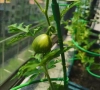
What should you do if the watermelon seedlings you planted have curled leaves and just won't grow? Today I'll show you the practical steps to take, and before long the watermelon seedlings will be lush and leafy, producing big, sweet watermelons. 1. Pests and diseases - mosaic virus: leaves turn a mix of yellow and green, shrivel and twist, and the plant becomes short and spindly. What's worse, it also makes watermelons
-

Causes of Yellowing Leaves in Watermelon Seedlings and Treatment Methods with Medication
When growing watermelons, do the healthy seedlings suddenly develop yellow leaves and wilt a little more each day? Don't worry, today we'll talk about the causes of yellow leaves; only by treating the right cause can you save them. 1. Herbicide damage: Did you accidentally spray herbicide on the seedlings? Or did spray drift from the neighboring field hit them? Seedlings damaged by herbicide will suddenly turn yellow, and the leaves will curl
-
What disease causes watermelon leaves to turn white? Causes and spraying control methods
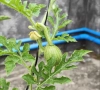
Attention, fellow watermelon growers! White leaves are no small problem. Different symptoms point to different causes, and if you misdiagnose it, you may make things worse the more you try to fix it! Today I will explain how to diagnose it and how to solve it, so check your plants against this right away. Symptoms of white leaves. 1. Leaves covered in "white powder." The most typical sign is the appearance on the leaves of
-
What disease causes watermelon leaves to turn white? Causes and pesticide control methods
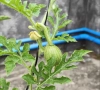
Gardeners growing watermelons, pay attention! White leaves are no small problem. Different symptoms correspond to different causes, and if you get it wrong, you may make things worse the more you try to fix it! Today I will explain how to diagnose it and how to solve it, so check your plants against this right away. Symptoms of white leaves 1. Leaves covered in "white powder" The most typical sign is the appearance on the leaves of
条件筛选