-

Management Methods and Technical Points for Walnut Seedlings After Grafting
From grafting in May and June to the grafted seedlings leaving the nursery in October, there are only a few short months. In order to ensure the robust growth of grafted seedlings and cultivate high-grade nursery stock, management needs to be strengthened. 1. Check survival and fill in grafts. About 1 week after walnut bud grafting, check whether the graft has survived. Fresh and plump grafted buds indicate successful grafting, while blackened grafted buds indicate failure, and timely re-grafting should be carried out.
-
Detailed Explanation of Key Technical Points for Planting Walnut Nursery Stock
1. Planting period. The planting of walnut trees can be divided into two types: spring planting and autumn planting. Autumn planting refers to planting after the nursery stock drops its leaves in autumn and before the soil freezes. Spring planting is carried out after the soil thaws and before the nursery stock buds in spring. In the past, walnuts were generally spring-planted, but in
-
What are the technical measures for flower and fruit thinning in walnut trees?
Flower and fruit thinning is a major technical measure for improving the yield and quality of walnut trees. It can save a large amount of nutrients and water, which not only benefits the development of the tree in the current year, improving the current year's nut yield and quality, but also benefits new shoot growth and flower bud differentiation, ensuring
-
What are the technical measures for flower and fruit retention in walnuts?
In view of the causes of flower and fruit drop in walnuts, flower and fruit retention should focus on prevention, combining "prevention, treatment and management". Strengthening soil management is the main approach, combined with spraying microelement fertilizers and growth regulators to keep walnut growth in a moderate state. For external catastrophic weather and uncontrollable factors,
-
Detailed Explanation of Key Technical Points for Deep Plowing and Soil Improvement in Walnut Orchards
Deep plowing and soil improvement is one of the main technical measures for improving soil in walnut orchards, and is suitable for areas with poor soil conditions. Through deep plowing, on the one hand it can play a role in storing water and preserving moisture and improving soil structure; on the other hand it can enhance the activity of soil microorganisms and accelerate
-
Key Technical Points for Cultivation and Management of Walnut Trees During the Growth Period
Based on the significant changes in tree growth and development characteristics throughout the life of a walnut tree, the growth period of the fruit tree can be roughly divided into: juvenile stage, initial fruiting stage, full fruiting stage, and senescence stage. In production, corresponding cultivation and management technical measures can be adopted according to the characteristics of each growth and development stage
-
Rational Intercropping Cultivation Models and Key Technical Points for Walnut Trees
Intercropping is an important cultivation model. Rational intercropping can make full use of space, land and light energy, and improve economic returns, especially the early returns of young walnut orchards. The types and methods of intercropping should follow the principle of not affecting the growth and development of walnut trees. According to
-
Detailed Explanation of Key Technical Points for Feeding and Management of Pregnant Sows
In the early stage of pregnancy, sows gain weight faster than in the later stage, accounting for most of the total weight gain during the whole period, and the vast majority of fat deposition occurs in this stage. This indicates that the early stage of pregnancy in sows is mainly about "regaining condition." Fetal development is slow during this period, so an appropriate low feeding standard should be adopted. However, at this time
-
Key Technical Points for Feeding Management and Health Care of Lactating Sows
1. Strengthen cleaning and disinfection of sows during the perinatal period: (1) One week before the sow due to farrow enters the farrowing room, first clean and disinfect the farrowing room, then wash the sow due to farrow one week before farrowing, and only after disinfection with compound aldehyde may she enter the farrowing room. (2) Two hours before farrowing, wash the sow's abdomen with compound iodine solution
-
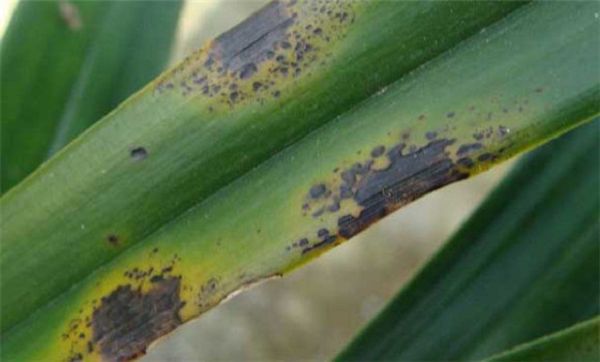
What are the key technical points for controlling anthracnose in orchids?
Key Technical Points for Controlling Anthracnose in Orchids
条件筛选