-

-

Detailed Explanation of the Key Technical Points of Field Management for Cilantro Cultivation
Field Management Techniques for Cilantro
-

A detailed explanation of the planting methods and key technical points for Wuzhimaotao
Planting methods for Wuzhimaotao
-

How to manage cotton during the seedling stage? Key technical points explained in detail
Key technical points for cotton seedling stage management
-

A Detailed Explanation of the Planting Methods and Key Technical Points for the Sweet Pingpong Fruit
The Planting Methods for the Sweet Pingpong Fruit
-

How to Prune a Persimmon Tree: Detailed Explanation of Pruning Methods and Technical Key Points
How to Prune Persimmon Trees
-

Detailed Explanation of the Key Technical Points for Field Management of Dwarf Lilyturf
Field Management Techniques for Dwarf Lilyturf
-

-
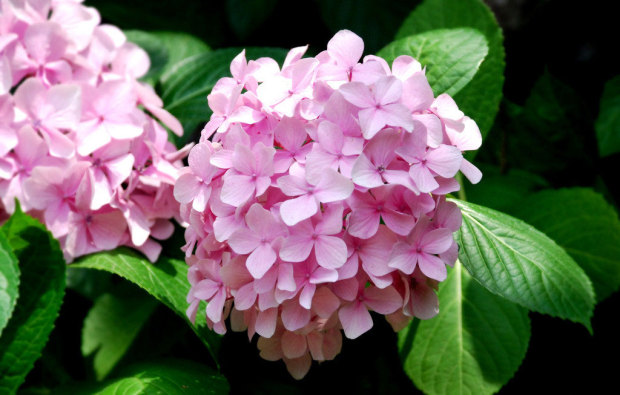
Cultivation and Propagation Methods and Key Technical Points for Hydrangea
Hydrangea gets its name because its corymb inflorescence bears many sterile flowers, at least eight and sometimes countless; it is also named hydrangea because its inflorescence is compact and shaped like an embroidered ball. It has two types of flowers: the small flowers are in the center, are bisexual and complete, and set seed after flowering; the large flowers are on the outside, scattered around the periphery, have no stamens or pistils, and only serve to attract insects and set off the flower center.
-
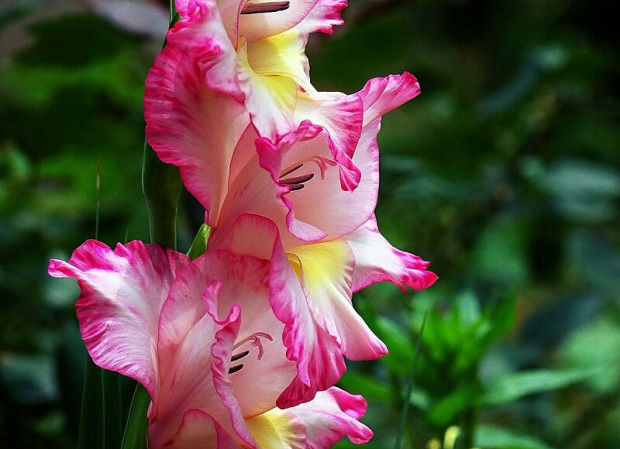
Gladiolus Cultivation and Management Methods and Technical Key Points
Sword-shaped leaves resembling those of the sweet flag (Acorus), long stems emerging, covered with seed pods, funnel-shaped flowers of various colors opening in succession; people like to cut the flower stems and place them in vases -- even away from the roots, the flowers still stand upright to the top. This is a portrayal of the basic characteristics of gladiolus. Its other names include: Changlan, Jianlan, Shiyangjin, Shisan Taibao, Bianzhulian, etc.
条件筛选