-

Aquaculture Development: Smart Cage Net Farming System Lowers System Costs and Boosts Management Efficiency
As the global population grows, demand for seafood consumption is also rising; however, because of the escalating land costs and water quality challenges of land-based farming, offshore cage nets have become an important development trend in aquaculture abroad. Taiwan has been developing offshore cage net farming for over 30 years, but
-
Ecological aquaculture systems respond to climate change by turning to safe and precise smart farming
It is not only crops on land that are constantly challenged by extreme weather, but also aquatic products in aquaculture ponds. Sometimes a cold snap can kill an entire pond of fish, and a short period of heavy rain can cause fish ponds to overflow their banks, with fry and fish all lost; crops can rely on cultivation equipment to escape
-
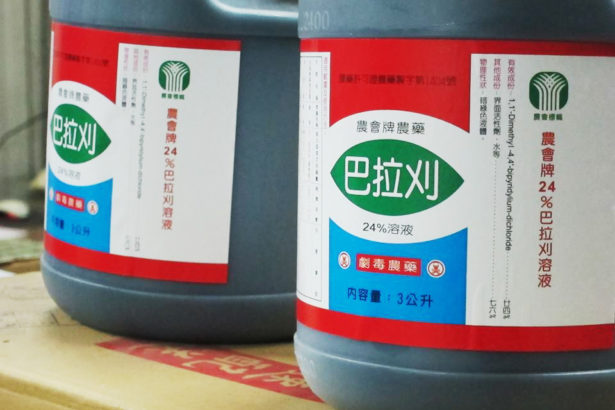
Ban on highly toxic pesticide paraquat remains unchanged; Council of Agriculture: Contract spraying system cannot be promoted; farmers: crops sell better without spraying
Ban on highly toxic pesticide paraquat remains unchanged; Council of Agriculture: Contract spraying system cannot be promoted; farmers: crops sell better without spraying
-
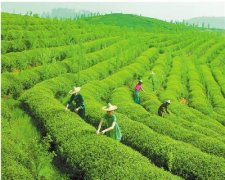
Full Environmental Control Smart Greenhouse System Creates a New Blue Ocean for Taiwan's Agriculture
Smart agriculture intelligent greenhouse system, in a hydroponic greenhouse maintained at a constant temperature of 20 to 24 degrees Celsius, pinkish-purple LED light sources shine on tender green leaves, creating a dreamy atmosphere. Nutrient solution gurgles and circulates through densely laid pipes, the only subtle sound in this space
-
Optimizing the agricultural industry system: using molecular markers to improve the control of vegetable hybridization and variety identification
Using bioinformatics technology to explore molecular markers that differ among hybrid vegetable varieties, in order to establish molecular detection technology that can be automated for analysis, assist variety identification, improve control over the purity of first-generation hybrid seeds, and help make seedling sales more advantageous
-
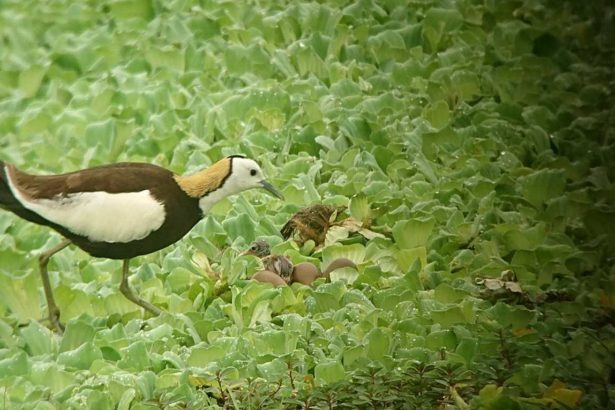
The pheasant-tailed jacana queen and her chicks love each other dearly; a bird-loving couple in Meinong rent wetland to protect the ecosystem
The pheasant-tailed jacana queen and her golden grandchildren love each other dearly; a bird-loving couple in Meinong rent wetland to protect the ecosystem
-
The pheasant-tailed jacana queen and her golden grandchildren love each other dearly; a bird-loving couple in Meinong rent wetland to protect the ecosystem
The pheasant-tailed jacana queen and her golden grandchildren love each other dearly; a bird-loving couple in Meinong rent wetland to protect the ecosystem
-
Shrimp Fatten Up 30% More: Underwater Cameras and AI Systems Help Gauge the Right Feeding Time
On the 23rd, a research team from National Sun Yat-sen University presented its "AI Smart Aquaculture Results" - using underwater cameras to record shrimp activity levels and automatic bait-spraying equipment, allowing shrimp to gain 3 grams per week, a 30% increase in fattening compared with traditional shrimp pond farming methods. Currently, 2 shrimp farms have already installed the underwater cameras and bait-spraying equipment.
-
Aquaculture management system upgraded, technology builds smart farming to fill the gaps
The Fisheries Research Institute recently held an observation event highlighting smart aquaculture fisheries. In addition to presenting the Institute's 3-year project results, it also invited Shengdiao Aquaculture Technology, a long-term partner with the Institute in breeding technology, to share new-style facilities including HDPE ecosystem aquaculture, smart water quality monitoring systems, and movable aerators
-
Fishery development: cage-net aquaculture feeds without waste, and underwater monitoring systems can prevent fish escapes
The Fisheries Research Institute's yellowfin tuna farming project has temporarily come to a close. Although there were results, operators are still watching and waiting. The reality is harsh: the problem faced is the market, because the price of yellowfin tuna is not high enough. Before consumer impressions of yellowfin tuna can be turned around, operators' willingness to farm it is low.
条件筛选