Ban on highly toxic pesticide paraquat remains unchanged; Council of Agriculture: Contract spraying system cannot be promoted; farmers: crops sell better without spraying
Text by Upstream/Downstream reporters Cai Jiashan and Chen Pinjun
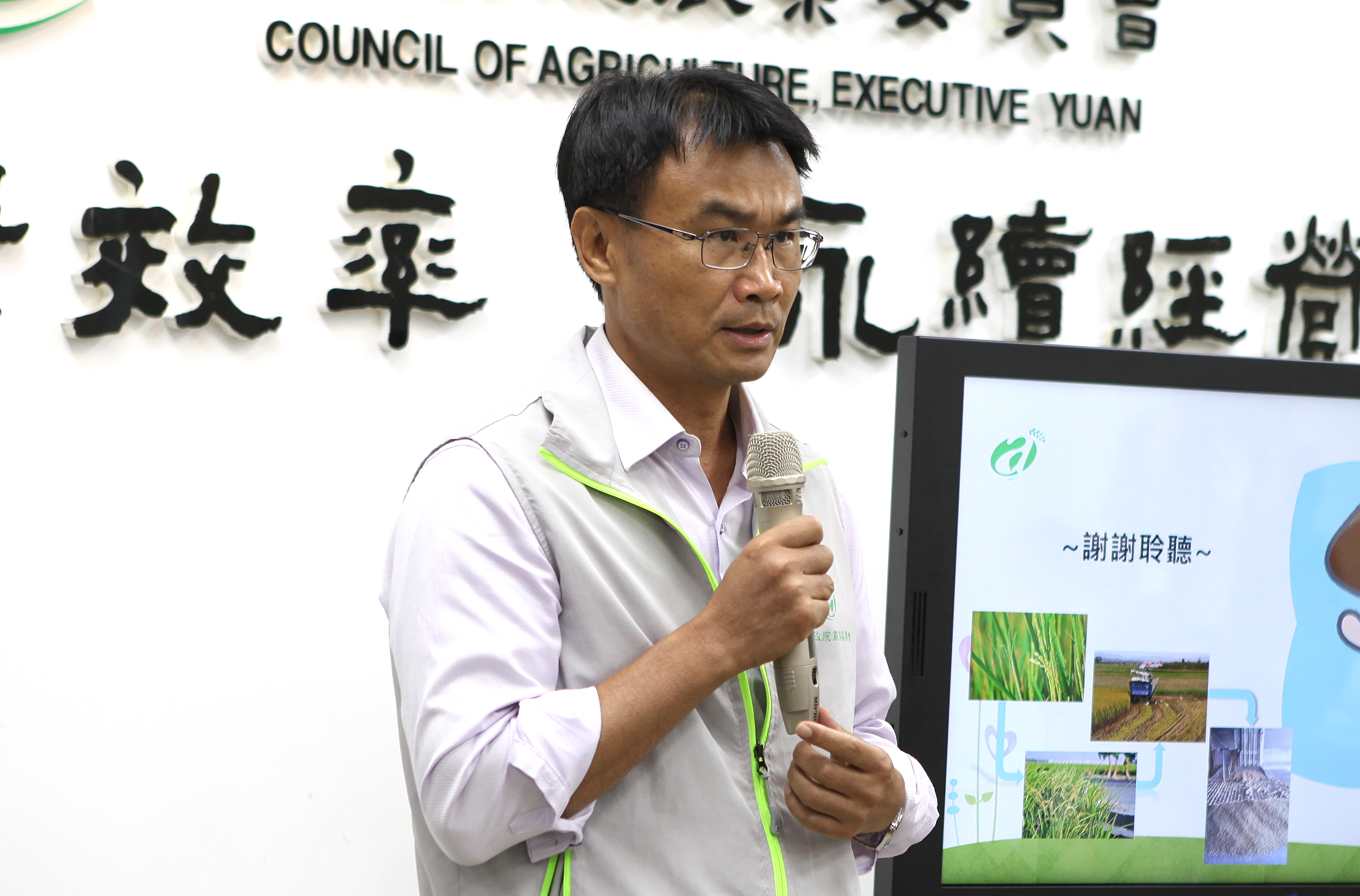
Amid rising controversy over whether to ban the highly toxic pesticide paraquat, the Council of Agriculture held a press conference today stressing that the phase-out policy of a full ban on paraquat in February next year remains unchanged, and that comprehensive alternative pesticide measures are already in place. It also reaffirmed that eliminating highly toxic pesticides is a global trend, with 77 countries worldwide having already banned paraquat.
Paraquat is a cheap and fast-acting herbicide, and many farmers oppose banning it. But because of its high toxicity to humans, a person attempting suicide who takes one sip and immediately spits it out can still die. According to Ministry of Health and Welfare statistics, paraquat causes about 200 deaths each year, with the rate particularly high in agricultural counties and cities, reaching as high as 15%. Therefore the Bureau of Animal and Plant Health Inspection and Quarantine of the Council of Agriculture believes it is necessary to ban it to protect farmers' health. Paraquat is also suspected of neurotoxicity and may cause diseases such as Parkinson's disease. Farmers attending today's event also pointed out that long-term spraying may cause chronic damage to the body.
Why not promote a contract spraying system? Council of Agriculture: Low farmer acceptance makes it difficult to implement
In response to outside questions about why the Council of Agriculture is not promoting professional contract spraying of paraquat instead of insisting on banning its use, Council of Agriculture Minister Chen Chi-chung said the council had indeed evaluated replacing "farmers buying it themselves" with "mandatory contract spraying," which would both ensure reduced risk of suicide or harm and take into account farmers' rights to use it. However, acceptance among farmers is generally low, making it difficult to implement. Considering paraquat's irreversible impact on personal safety, plus the availability of alternative chemicals and the global trend toward banning it, the ban on paraquat is maintained.