-

How to prevent fish from gasping at the surface? A detailed guide to practical and effective measures
Discharge an appropriate amount of pond water and add fresh water; the suitable time for adding water is around 2-3 p.m. Use aerators reasonably, stop fertilizing, and control fish feeding. Splash quicklime water in small amounts several times to adjust the pH of the water body. Use chlorine dioxide twice in succession to disinfect the water body; before disinfection, an appropriate amount of oxygen enhancer and microecological preparations may be applied.
-
Scraping the mushroom bed surface of oyster mushrooms can increase mushroom weight
After two harvests of oyster mushrooms, the bed surface often becomes severely dry and compacted, with poor air and water permeability, and the mycelium becomes senescent and weak, which delays the fruiting time, reduces mushroom yield, and may even result in no mushrooms at all. Scraping the bed surface can effectively solve this problem and produce a very good yield increase. The method for scraping the bed surface is: for a severely compacted bed surface with an overly thick mycelial skin, scrape off a thin layer of the aged mycelial skin over the entire surface. For a slightly compacted bed surface with a relatively thick mycelial skin, use a wire to scratch many small crisscrossing grooves until the mycelium is exposed. For ridge-bed cultivation,
-
What to Do When the Surface of Oyster Mushroom Substrate Turns Black? Cause Analysis and Control Methods
The main causes of blackening on the substrate surface and the control methods are: (1) Oyster mushroom mycelium soaked in water for a long time causes rot and blackening. In this case, the condensation water on the substrate surface should be absorbed and dried promptly. If it is grown on beds, excess water at the bottom should also be absorbed and dried promptly. (2) Contamination by foreign microorganisms and breeding of insect pests cause blackening. When blackening occurs, pests must be controlled or the affected part dug out promptly to prevent it from spreading.
-
Several Causes of Fish Gasping at the Surface and Their Prevention and Treatment Methods
Fish "gasping at the surface" is a phenomenon that frequently occurs in aquaculture production, and it is also an important sign for judging whether fish are diseased and whether water quality has changed. However, many farmers, after discovering pond fish "gasping at the surface," do not understand the cause and simply apply medication based on "experience," which often proves ineffective and may even cause mass mortality. In fact, fish "gasping at the surface" can be caused by multiple factors. According to the cause, "gasping at the surface" can be divided into the following 3 types. 1. Hypoxia-induced gasping. Hypoxia-induced gasping is caused by excessively low dissolved oxygen content in the water, causing cultured fish to swim to the relatively higher surface
-
How to control subsurface pests in upland rice? A full breakdown of practical techniques
In recent years, with the application and promotion of dry-raised transplanting techniques, upland rice cultivation in Gejiu City has become a new highlight of economic growth in mountainous rural areas. How to do a good job in controlling subsurface pests is an important technical measure for developing upland rice production and ensuring increased yield and income. The common subsurface pests of upland rice mainly include white grubs (the larvae of scarab beetles), wireworms (the larvae of click beetles), mole crickets, and cutworms (cut worms). These pests live in the soil during their damaging period, feeding on seeds, young sprouts, roots and stems, causing missing plants, gaps in rows, or
-
Analysis of the Relationship Between Rusty Patches on Pear Fruit Surfaces and Pesticide Use
Irregular rust-colored patches often appear on pear fruit surfaces, affecting the appearance quality of the fruit. Fruit surface rust is generally called fruit russeting, which is formed by the gradual thickening and suberization of cell walls, with epidermal cells and the cuticle rupturing and exposing the surface, forming brown rust-colored patches. Another type of rusty patch is actually "pesticide russeting," caused by improper pesticide use or excessive pressure when spraying pesticides. There is also a type called "water russeting," mainly caused by poor environmental conditions, damp and rainy weather, insufficient light, and mold parasitizing the fruit surface. The occurrence of fruit russeting is related to many factors in cultivation. Such as variety, strain differences
-
Detailed Explanation of Silkworm Egg Surface Disinfection Technology, a Must-Read for Silkworm Farmers
The purpose of egg surface disinfection is to kill pathogenic microorganisms attached to the egg surface, avoiding disease in newly hatched silkworms caused by eating the eggshell. For spring silkworm eggs, disinfection is best carried out 1 to 2 days before hatching. For autumn silkworms, it is best done on the afternoon 1 day before hatching, and on that same day the eggs are taken directly to the mountain to hatch. First, bathe the eggs in a 0.5% sodium hydroxide aqueous solution at a liquid temperature of 18 to 20°C, washing the eggs for 1 minute to remove the adhesive material on the egg surface. Then rinse clean with water, drain off the moisture, and carry out egg surface disinfection. Mix 36% to 38% formaldehyde stock solution, 36% concentrated hydrochloric acid, and water in a ratio of 1:
-
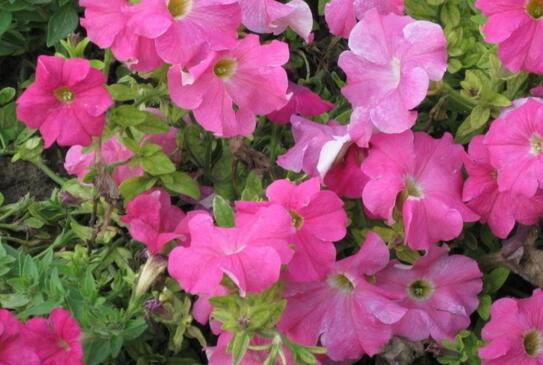
How to water petunias? Water when the soil surface turns pale, and never let water accumulate
When growing petunias, water affects how fast they grow and can even affect their health. If the soil is too wet, the roots will rot and age, while if it is too dry, the roots will not develop well, so watering must be done properly. So how do you water petunias? Let me tell you the watering techniques
-
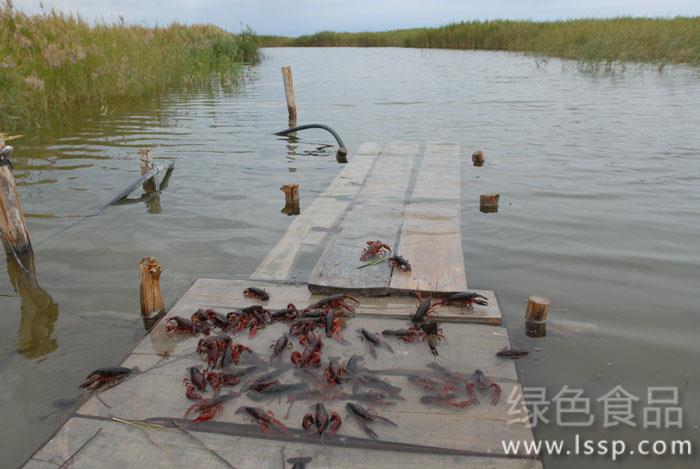
Prevention is more important than treatment in the control of crayfish surface diseases
Crayfish disease control: prevention over treatment, and how to prevent and treat crayfish surface diseases
-

How to properly treat the cut surface of a potted tree stump
Gardeners often cut back the trunk when dealing with collected wild stumps or grafting. The principles for treating the saw cut are simply to retain moisture, prevent bleeding, block light, promote healing, form a callus as quickly as possible, and not affect budding. Common moisture-retaining sealing materials include the following: 1. Self...
条件筛选