-

A Detailed Guide to the Breeding Methods and Technical Key Points for Superworms
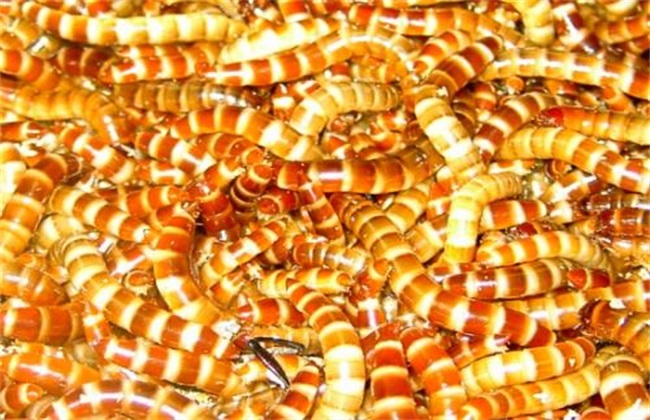
The superworm (Zophobas morio) was introduced from Southeast Asian countries in recent years. The fully grown larva has a maximum body length of about 7 cm, is 3-4 times larger than the common mealworm (Tenebrio molitor), produces 5 times the yield of mealworms, and its nutritional value far exceeds that of juvenile crickets and mealworms. So how do superworms breed? Part One
-
Key Points of Superworm Breeding Technology and a Detailed Explanation of Management Methods
Breeding superworms requires mastering the selection of worm stock, feed formulation, environmental condition control, and other aspects. Good stock determines the yield and quality of superworms, and selecting larvae with outstanding color for cultivation is most suitable. For feed, compound feed can be chosen to speed up growth
-
Yellow Mealworm (Superworm) Farming: Profit Prospects and Farming Techniques Explained
The yellow mealworm, also known as the superworm, has larvae containing 51% crude protein and 28.5% fat, giving it high nutritional value. It is a common pest of crops, and yet today it is being farmed on a large scale. So can farming yellow mealworms make money? Today we take you to Shan
-

Detailed Explanation of Key Points and Management Methods for Superworm Breeding Technology
Superworm Breeding Technology
-

-
What Are the Risks of Farming Superworms? A Comprehensive Analysis
Risk Analysis of Superworm Farming
-
条件筛选