-

In eel farming, gill nephritis must be strictly prevented.
Gill nephritis is a disease that causes great harm to eels. The epidemic period of this disease is relatively long, beginning in December and lasting until May of the following year. Small-sized eel fingerlings can have a mortality rate of over 50% when affected by this disease during the overwintering period. Larger eels develop the disease somewhat later than small-sized fingerlings, generally between February and March. If the disease is severe in autumn, the harm from gill nephritis in winter will be greater. When water temperatures begin to rise in February and March, secondary infections such as water mold disease, red fin disease, and red spot disease are likely to occur. Ponds whose water contains salt generally do not develop this disease, that is,
-

Golden Mullet Roe Competition Results Announced, Chiayi Strictly Selected Winners Revealed
To establish a top-tier mullet roe image, the Chiayi County Government has annually guided the Chiayi County Aquaculture Production Area Development Association since 2010 to hold the "Chiayi Strictly Selected Golden Mullet Roe" selection. This year's evaluation results were announced on December 19. Xiami World Co., Ltd....
-
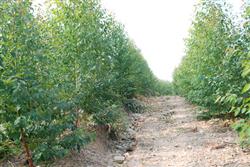
Eucalyptus planting: master the suitable growing areas and strictly control seedling quality
I. Fertilizer requirements. Eucalyptus is one of the three major fast-growing tree species, with a well-developed root system, strong absorption capacity and large growth volume. With sufficient water and fertilizer supply, it grows 1.5-5.5 m taller in 1 year and can be harvested for use in 4-5 years. The main nutrient elements absorbed by eucalyptus are: nitrogen, phosphorus, potassium, calcium, magnesium, zinc, boron, etc. According to research, each eucalyptus tree annually averagely...
-
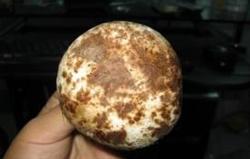
In the process of oyster mushroom cultivation, the seed production stage must be strictly controlled.
Rust-colored or dark brown spots appearing on the caps and stipes of oyster mushrooms are called oyster mushroom rust spot disease. This disease is a bacterial disease that readily occurs during the fruiting body growth stage of oyster mushrooms. The pathogen causing this disease is a species of Pseudomonas bacterium that is extremely widely distributed in nature. In the early stage of the disease, the spots are only the size of a needle tip, and the color...
-
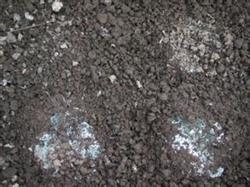
Strictly control the spawn production process when cultivating oyster mushrooms
Green mold, also known as Trichoderma viride, is one of the most serious pathogens harming oyster mushrooms. It causes damage at different production stages of oyster mushrooms. Once the disease occurs, it leads to reduced yields in mild cases and total crop failure in severe cases, becoming an important obstacle restricting the development of oyster mushroom production. Through several years of exploration and experimentation, the integrated control measures are summarized and introduced as follows...
-
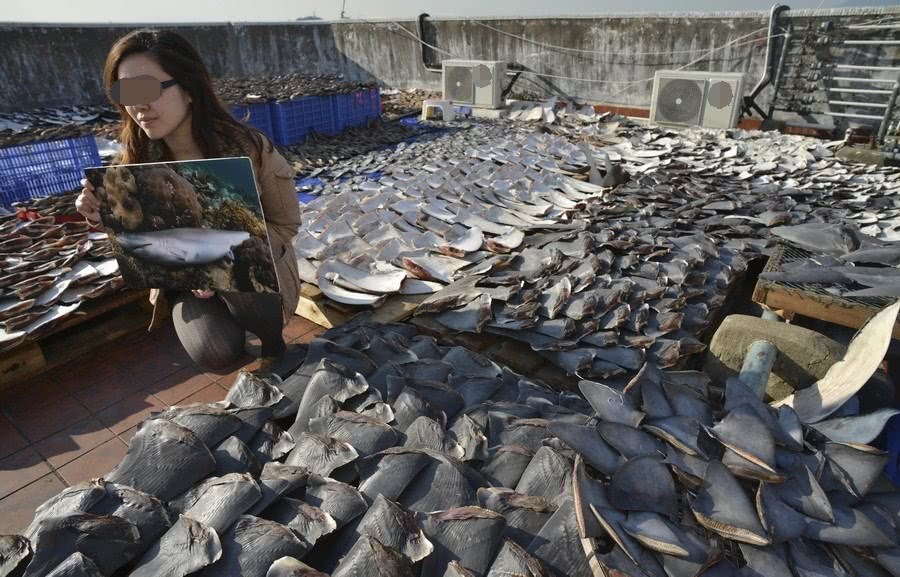
It is strictly protected in the United States, yet in China it is one of the Eight Treasures, and at a thousand yuan per liang it still sells out
Food is the first necessity of the people - this is a familiar saying in China, and it is absolutely true. People always enjoy the finest food within their economic means, especially some wealthy individuals who spare no expense just to eat...
-
Strictly adhere to five key points in winter feeding and management of dairy cows
Five key points must be strictly observed for dairy cows to winter over
-
Strictly guard against animal pests when raising chickens in orchards: which fruit trees are suitable for raising chickens underneath?
Raising chickens in orchards requires strict vigilance against animal pests
-
How to scientifically restrict feed for breeding chickens? Methods for strictly controlling body weight
Methods for scientifically restricting feed to strictly control the body weight of breeding chickens
-
Ten "never feed" principles that must be strictly followed in rabbit keeping
When keeping rabbits, you must strictly follow the ten "never feed" rules!
条件筛选