-

How to grow hyacinths hydroponically and bulb storage tips
These days more and more people grow a pot of hyacinths during the Chinese New Year. If you have grown hyacinths, you probably know that hyacinths are grown from bulbs, but many people do not know that as long as the hyacinth bulbs are stored properly, by the next year
-
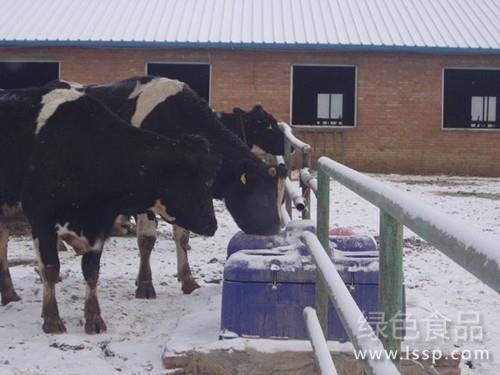
In winter, green feed is scarce and water storage is hindered, so cattle farmers must guard against cold-induced dehydration
In winter, green feed is scarce, so feed-based water storage is hindered; cattle farmers must guard against cold-induced dehydration in winter
-
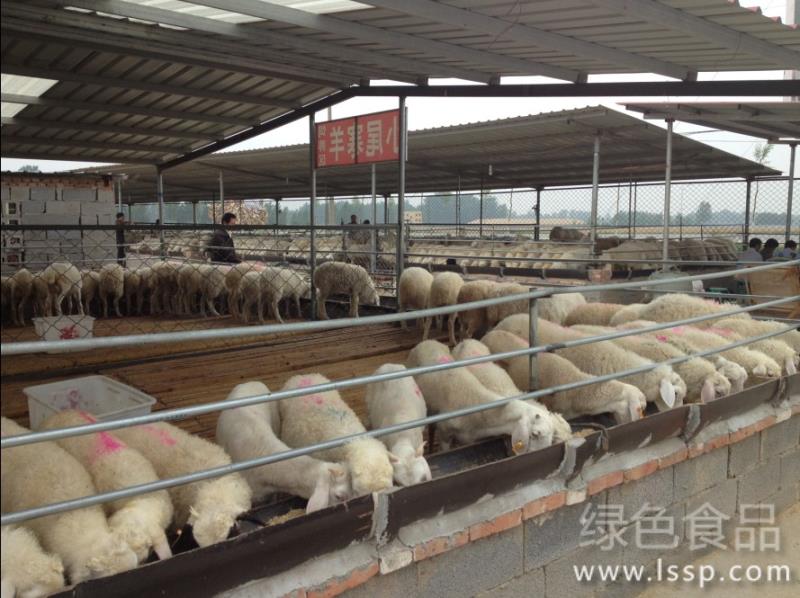
How to design a manure storage site for livestock and poultry farms to protect the environment
Design principles for manure storage sites on livestock and poultry farms to protect the environment
-
Processing Methods and Storage Tips for Scorpions
In the process of artificial scorpion farming, timely harvesting, processing, storage and selling are important steps for making full use of space, saving feed, speeding up capital turnover and increasing added value; this work should be carried out 7 days before pregnant scorpions give birth, by keeping strong pregnant scorpions and high-quality breeding scorpions, and harvesting and processing the remaining mated male scorpions, female scorpions that have given birth for more than 3 years, and some scorpions with missing limbs, disease or weakness as commercial scorpions. 1 Processing methods 1.1 Processing of "salted whole scorpions" Before processing, first put the scorpions into cold
-
Detailed Explanation of Key Points in Honey Storage and Processing Technology
1 Storage 1.1 Use appropriate containers. Honey is a weakly acidic liquid, and contact with metal will cause oxidation, so non-metal containers (except stainless steel drums) such as vats, wooden barrels, non-toxic plastic buckets, etc. must be used for storage, but they must be washed clean and wiped dry. In areas with high honey production, honey storage sites can be established. Storage containers must be clean and dry, honey should not be stored too full, and 25%-30% of space should be left during transportation to prevent honey from fermenting and overflowing or bursting the container due to heat and vibration. The room temperature for honey storage should be maintained at
-
A Detailed Guide to the Harvesting, Processing and Storage of Scorpion
Scorpion, also called quanchong, is the dried whole body of the East Asian scorpion of the family Buthidae. 1 Harvesting The time for catching wild scorpions is generally from after they emerge from hibernation to before they enter it. Every year in mid-to-late April, that is, around "Grain Rain". At this time the scorpions have just emerged from hibernation, their bodies are plump and thick, there is no food in their abdomens, and there are few impurities; after processing the quality is good and the weight is high, and they are usually called "spring scorpions". Therefore, Shandong often takes the purchase of "spring scorpions" as the main season. At this time the scorpions have just emerged from hibernation and are not active, and the green grass has just sprouted, so the scorpions are easy to find and easy to catch."
-
What are the storage precautions for dried snake venom?
Dried snake venom is highly hygroscopic and not heat-resistant. Under the influence of high temperature, moisture or sunlight, it tends to deteriorate and lose its enzymatic activity. Therefore, the following points must be done well to preserve it for the long term. (1) After the dried snake venom is weighed, it should be put into an amber or brown bottle as soon as possible, the mouth of the bottle tightly stoppered with a cork, and then sealed with wax or vacuum oil. For large bottles of dried venom, in order to minimize unnecessary opening, some can be taken out and sealed in sample bottles before sealing, so as to be available for inspection at any time or to satisfy small occasional customers; the weight can be packaged as appropriate.
-
Detailed Explanation of Key Technical Points for Pollution-Free Fish Storage and Transportation
The entire process of farmed aquatic products from pond to table is subject to safety and quality monitoring, of which storage and transportation is one of the important links. If errors occur in storage and transportation, the so-called pollution-free status will be lost at the final step. 1. The water quality used for storage and transportation shall comply with the relevant national regulations. During storage and transportation, fish should be handled gently and transported gently, avoiding squeezing and collision, and care should be taken not to let them dehydrate or lose ice. 2. Packaging containers should be non-toxic, odorless, clean, sturdy and have good drainage conditions. Live fish can be held in canvas buckets, live fish boxes or nylon bags with oxygen, while fresh fish use bamboo
-
Preventive disease measures must be taken before fish storage and transport
As the saying goes: "Buy a chicken that can crow, buy a fish that can jump." Yet many fish farmers, after a year of hard work, run into trouble when the time comes to sell adult fish: the fish do not tolerate storage and transport, their whole bodies become congested, and some even die. At this point most farmers think there is a problem with the feed. Indeed, some feed manufacturers, in order to one-sidedly lower the feed conversion ratio and increase fish growth rate, add hormones or hormone-like drugs such as olaquindox to the feed, causing the above phenomena during fish storage and transport. But fish not tolerating storage and transport
-
Detailed explanation of honey storage methods: proper preservation keeps it from spoiling
Proper storage of honey is an important part of ensuring its quality, so during storage the following points should be noted: 1. Honey is an acidic, viscous liquid that is corrosive to metals such as zinc, iron and aluminum as well as to plastic buckets. To avoid contaminating the honey, do not use metal containers without food-grade coating or plastic buckets to store honey; instead, use containers such as glass bottles and porcelain jars. 2. Honey is highly hygroscopic and readily absorbs odors, so it must be stored sealed to avoid absorbing water and fermenting, as well as picking up
条件筛选