-

Characteristics of the Phalaenopsis Stem and How to Grow Thick, Robust Roots
Growing flowers and plants not only boosts your personal energy but also lets us understand plant structure, so we can appreciate the growth condition and vitality of the plant. In recent years, the popular flower "Phalaenopsis" (moth orchid) is a plant many people have grown. So which part of the plant body does the "stem" refer to? What does it do? When it comes to the Phalaenopsis
-

What medicine should be used for stem rot in Phalaenopsis? Detailed explanation of causes and solutions
Growers of Phalaenopsis have probably all heard of "stem rot." Once a Phalaenopsis gets this disease, the leaves droop and the stem rots at the core, and if it is not treated in time, the whole plant may die. Today let's talk about how this disease comes about, what medicine to use, and how to save it. How does stem rot find its way in? The main cause is too much moisture,
-

Can a hydroponic Phalaenopsis survive with an iron skewer inserted? Here's how to fix the flower stem
Generally speaking, when growing Phalaenopsis, you choose between soil culture and hydroponics. Many bloggers online share soil-culture care tips, but few are found sharing the care troubles of hydroponics. Among them, how do you fix the flower stem shape in water culture so it grows better along the way? Because water culture is different from the support provided by potting medium, solving this also took no small amount of thought.
-
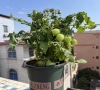
Why does a tomato stem grow bumps, is it a disease?
Don't ignore bumps appearing on tomato stems; timely treatment is the only way to ensure a good harvest! Today I've put together the common causes and solutions, so even beginners can easily get the hang of it. Aerial root type bumps (a physiological response) Appearance: white/light green soft bumps on the stem, like "little aerial roots", mostly near the potting soil. Causes: overwatering, soil poorly
-

What to do when a Phalaenopsis orchid has stem rot and only the roots are left, can it still be saved?
Gardeners who grow Phalaenopsis orchids have probably all experienced this kind of crushing moment: an orchid that was perfectly fine suddenly has roots that are rotten, black and slimy, falling off at the slightest touch, and when you lean in there is a sour, foul smell, the leaves droop limply downward, and the stem even has brown rotten spots... At this point many people think "it's hopeless" and just toss it into the trash. But the
-

Propagate These 4 Common Flowers from Cuttings in Autumn: Snip a Stem and Leaf, Stick It in Soil, and Easily Turn One Pot into Many
Autumn has suitable temperatures and just the right humidity, without the scorching sun of summer or the bitter cold of winter, making it practically the "golden season" for flower cuttings. For many easy-to-grow, hardy plants, no complicated steps are needed - just cut off a stem and leaf, stick it into the soil, and it will take root and grow into new life. The several common plants below are perfect for
-

Is blackening of Phalaenopsis roots stem rot or something else?
The Phalaenopsis you've been growing had roots that were originally white and tender, and suddenly they turned black. At the first sign of this, many people's first reaction is "It's over, stem rot!", and they hurriedly dig out all kinds of medicine and spray it heavily, only to end up making the flower even more wilted. In fact, blackening of Phalaenopsis roots is not necessarily stem rot, so don't jump to conclusions yet; it's more reliable to track down the real
-

How to identify and control virus disease in stem lettuce? Aphid control is key
Stem lettuce virus disease can occur throughout the entire growth period. Diseased leaves become mottled, shrunken and distorted, and plants become stunted. It is mainly transmitted by aphids and through sap. This article introduces the symptoms, transmission patterns and four control measures to help you manage it scientifically and reduce yield loss.
-
Control Methods and Medication Tips for Powdery Mildew, Brown Spot and Stem Borer Moth on Dahlia pinnata
Pest and disease control methods for Dahlia pinnata: powdery mildew breaks out heavily from September to October, control it with antifungalmycin 120; brown spot occurs from June to August, spray Bordeaux mixture or chlorothalonil; for viral diseases, prevent aphids and leafhoppers from transmitting the virus; for stem borer moth larvae, spray fenitrothion, so that Dahlia pinnata blooms more brilliantly.
-
Stringy Stonecrop is a perennial succulent herbaceous plant in the Crassulaceae family
Stringy Stonecrop, a succulent plant of the genus Sedum in the Crassulaceae family, has creeping stems that root easily; the sterile branches and flower stems are slender, creeping and rooting at the nodes, up to just below the inflorescence, 10-25 cm long. Leaves are in whorls of 3, oblanceolate to oblong, 15-28 mm long and 3-7 mm wide.
条件筛选