Stringy Stonecrop is a perennial succulent herbaceous plant in the Crassulaceae family
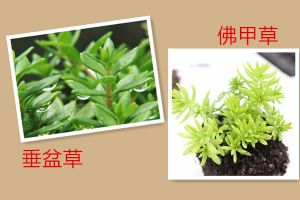
Other Names for Stringy Stonecrop
Dog Tooth Half-Branch, Dog Tooth Petal, Rat Tooth Half-Branch, Stone Nail, Buddha Nail, Half-Branch Lotus, Chicken Grass, Dog Tooth, Melon Seed Grass, Sunflower Sedum, Snake Grass, Dog Tooth Grass, Stone Vegetable, Mountain Guardian Flower, White Centipede, Three-Leaf Stonecrop, Earth Centipede Grass, Sunflower, Wang Kai Kou, Stone Nail
Growth Habits of Stringy Stonecrop
Wild varieties grow on sunny hillsides, in rock crevices, along ditches and in moist spots beside roads at altitudes below 1600 m. It is relatively easy to care for when grown at home.
Stringy Stonecrop prefers a warm, humid, semi-shaded environment. It is highly adaptable and relatively drought-tolerant and cold-tolerant. It is not particular about soil and grows best in loose sandy loam. It is not strict about light; generally it is suitable for growing under moderate light conditions and also tolerates weak light. The optimum growth temperature is 15-25°C, and the overwintering temperature is 5°C.
Main Value of Stringy Stonecrop
Ornamental: Stringy Stonecrop's excellent traits as a lawn grass and its tolerance of extensive management make it worthy of wide promotion and application in urban landscape projects such as roof greening, ground cover, slope protection, flower beds and hanging baskets, and it can serve as a dedicated lawn grass for roof greening in northern regions. It can be planted as courtyard ground cover and can also be hung indoors for appreciation.
Medicinal: Clears heat and drains dampness; removes toxins and reduces swelling; stops bleeding and nourishes blood. It is mainly used to treat damp-heat jaundice; gonorrhea; diarrhea and dysentery; snake and insect bites; burns and scalds; sore and swollen throat; oral ulcers and eczema; and shingles.
Related Articles
- How to prevent and control pests and diseases on desert rose? Ventilation and dryness are the key to prevention
- The three main causes of cotton diseases: climate, seeds and cultivation
- How to Grow Bird's Nest Fern in Water? Master Temperature, Light, and Water Change Techniques
- A Complete Guide to Identifying and Controlling Common Potted Flower Pests
- Do Carnivorous Plants Need Watering? Pot Watering and Wet/Dry Assessment Methods
- How to manage cotton during the flowering and boll-setting stage? Apply flowering and boll fertilizer heavily, use chemical regulation and pruning to prevent premature senescence
- How to Grow Chinese Hibiscus? Master These 5 Key Points for Blooms All Year Round
- How to Grow Tulips in Water? The Complete Process from Bulb Preparation to Blooming