-
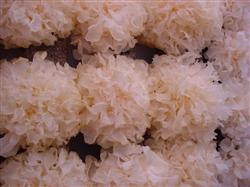
What standards are used to grade silver ear fungus?
What standards are used to grade silver ear fungus? Please give a detailed introduction to the standards. After silver ear fungus is dried, it must be graded for purchasing and storage. The grade standards for purchasing and storing silver ear fungus are as follows: Grade 1: fully dry, white in color, thick and plump flesh, loose and spread-out fronds, large pieces, the whole cluster round in shape, glossy, free of impurities, free of stem base, free of rotten fronds, diameter over 6...
-

Detailed Explanation of Grading and Packaging Standards for Button Mushrooms (Agaricus bitorquis)
Quality Standards Basic quality requirements: fresh and clean, free of abnormal odor or taste, free of abnormal foreign moisture, carefully picked, fully developed, with maturity suitable for market or storage requirements. Special grade: same variety, excellent shape and color, cap not opened, with the inherent color of the variety, no water damage, no rot. Grade I: same variety, normal shape and color, cap not opened, with the inherent color of the variety, no water damage, no rot, no pests or diseases or other damage. Grade II
-
Detailed Explanation of the Content of Edible Mushroom Spawn Quality Standards
Grade 1 spawn: For oyster mushroom, Hypsizygus marmoreus (shimeji), enoki mushroom, Pleurotus nebrodensis (white lingzhi mushroom), king oyster mushroom, abalone mushroom, and Ferula mushroom, the mycelium is pure white with strong wall-climbing ability; the mycelium is robust and vigorous; the substrate does not shrivel; aerial mycelium does not collapse; and when observed from the reverse side, there are no spots, streaks, or shadows except for the inoculation block point. For shaggy mane mushroom, the mycelium is grayish-white, sparser than that of oyster mushroom, and slightly earthy-yellow after maturation, with the inoculation block showing heavier pigmentation; the rest is the same as oyster mushroom. For straw mushroom, the mycelium is grayish-blue, greatly elongated, and semi-transparent, and after maturation most produce chlamydospores.
-
Detailed Explanation of the Production Method and Quality Standards of Flavored Mushroom Sauce
With the rapid development of China's catering industry and the improvement of people's living standards, people's demands for condiments are also getting higher and higher. Along with the fast-paced lifestyle, in addition to requiring condiments to have good color, aroma and taste, people pay even more attention to their nutrition, convenience and hygiene. Soybean paste contains a large amount of protein and vitamins, and fresh mushrooms are rich in minerals essential to the human body. Flavored mushroom sauce is made with the famous Northeast soybean paste as the main raw material, processed together with fresh mushrooms. Flavored mushroom sauce not only retains the rich nutritional value and mellow
-
Detailed Explanation of Straw Mushroom Grading Standards and Processing Techniques
I. Straw Mushroom Grading Standards: 1. Fresh mushroom grading: Grade 1: mushroom cap circumference 8-11 cm, solid. Grade 2: mushroom cap circumference 6-8 cm, solid. Grade 3: mushroom cap circumference 6-8 cm, wrapper slightly split. Broken-cap: cap cracking not exceeding 0.5 cm. Substandard: mushroom cap circumference 5-6 cm, with some broken caps. 2. Dried mushroom grading: base trimmed, free of sand and impurities, cap surface mouse-gray or grayish-white, flesh white. No mushrooms with opened veil or expanded cap, moisture content 12%, fragrant, free of insect damage and mold, free of scorched yellow or blackened areas.
-
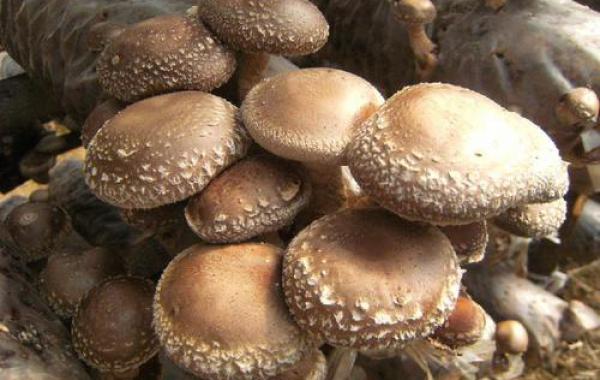
What Are the Grading Standards for Edible Mushrooms? Read This One Article to Understand
What are the grading standards for edible mushrooms?
条件筛选