-
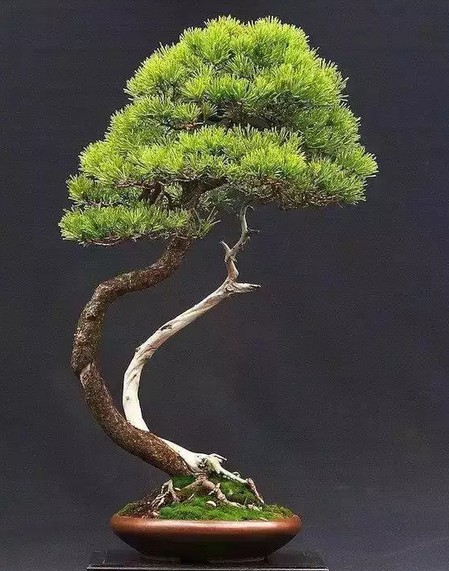
The Beauty of Bonsai Art: The Spirit of Nature Revealed Within a Square Inch
China is a kingdom of poetry in the world. Poets and literati through the ages held a special affection for flowers, grasses and trees, and with condensed language and vivid wording they vividly captured the spiritual character and charm of landscapes, flowers and trees; quite a few of them also sang the praises of bonsai art. Misty emerald of autumn's three months, waves bearing traces of ages past. Carved into a piece of clear jade, cut off from the roots of the blue clouds
-
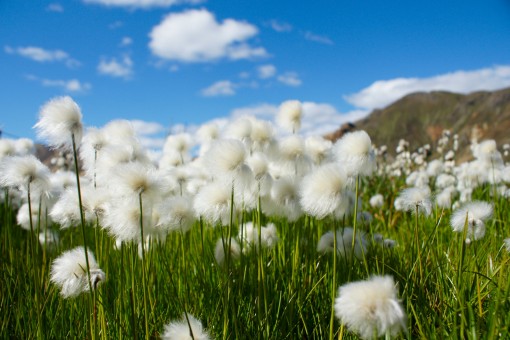
When to plant authentic heat-clearing dandelion seeds, plus yield per square meter and plant height
Dandelion, also known as Hua Hualang, Pu Gong Cao, edible dandelion, bed-wetting grass, Western dandelion, and mother-in-law's herb, is a common heat-clearing plant found on hillsides, grasslands, wild mountains, and wasteland. Because it is increasingly recognized by more people, the demand for it in cooking and medicine is very high.
-

Key Management Points and Precautions for Cotton During the Full Square Stage
At present, most cotton in our province has entered the full square stage. In view of the current high temperatures, scorching heat, drought and little rain in most areas, the following management technical recommendations are specially put forward for the reference of the broad masses of cotton farmers. 1. Watering and topdressing. Water appropriately and apply a small amount of nitrogen fertilizer to promote seedling growth. For cotton fields with poor soil fertility, insufficient or somewhat low base fertilizer, and weak cotton growth, 5 kg of urea per mu can be topdressed along with watering. Phosphate fertilizer and potassium fertilizer can also be added at the same time; generally, 5 kg each of diammonium phosphate, potassium sulfate or potassium chloride per mu. 2. Proactive chemical regulation. Spray mepiquat chloride before watering for proactive chemical regulation
-
What to Do About Cotton Square and Boll Shedding? A Detailed Guide to Emergency Remedial Measures
When cotton grows under conditions of high temperature and abundant rain, large numbers of squares and bolls are often shed, producing plants that are tall, large and empty, leading to heavy yield losses. For different causes of shedding, corresponding emergency remedial measures can be taken. Shedding due to prolonged drought: for cotton fields suffering long drought without rain and unable to be irrigated, the cotton plant leaves are thin and small, pale green to yellow in color, and the squares and bolls are shriveled and small; heavy rain causes shedding in large batches, light rain in small batches, and with no rain they gradually drop off. Remedial measures: use 200 g of multi-element boron fertilizer plus 20 mL of Fengchanning per mu, dilute in 50 to 60 kg of water and spray evenly, with an interval of
-
6 key points to grasp in cotton square-stage management
Proper watering: since rainfall in northern China is relatively low in mid-to-late June and the weather is hot, water appropriately, but do not overwater, so as to avoid excessive vegetative growth of cotton that causes squares to drop. After watering or heavy rain, cultivate the soil promptly to encourage the plant roots to grow downward. Topdressing to promote weak plants: generally apply 5-6 kg of urea, 15-20 kg of potassium chloride, 1 kg of zinc sulfate and 1 kg of borax per 667 sq m to help the plants build a good high-yield framework. When fertilizing, the fertilizer should be placed in furrows about 15 cm from the plants and applied deeply. Topdressing at the square stage should take care of the weak
-
What causes cotton square and boll shedding?
In cotton production, heavy square and boll shedding often occurs, seriously affecting cotton yield and cotton farmers' income. Since the causes of square and boll shedding are many-sided, only by treating the specific cause can shedding be effectively reduced and yield and benefits improved. 1. Variety factors. Tarnished plant bugs and cotton bollworms like to lay eggs on cotton varieties with dense fuzz, and dense-fuzz varieties increase the adhesion of eggs, making them less likely to be blown off by wind or washed away by rain, so damage is severe and large numbers of squares and bolls are shed. Smooth-leaf varieties can have 40.3% fewer squares and bolls damaged than dense-fuzz varieties.
-
How to reduce cotton square and boll shedding? Proper management is key
There are three main causes of cotton square and boll shedding: First, physiological shedding, which is also the main cause of shedding. Due to the interaction between meteorological conditions and nutritional conditions, the metabolism within the cotton plant is disrupted, nutrition is insufficient, and physiological shedding of squares and bolls occurs. Second, unfavorable meteorological conditions aggravate disease and pest damage. Pests such as cotton aphids and red spider mites bite and feed on leaves, reducing the photosynthetic capacity of the leaves, causing nutritional deficiency in squares and bolls and increasing shedding. Excessive spraying, overly high pesticide concentration, and too-short spraying intervals and other pesticide damage will also increase
条件筛选