-

How do you raise ecologically farmed chickens? These six technical points you need to master
Ecologically farmed chickens have long been favored by consumers, and therefore have broad market prospects. Many farmers, seeing the considerable profits of ecological chicken farming...
-

Six key technical points to keep in mind for loach farming
In recent years, due to the heavy use of pesticides and increased fishing intensity, the natural resources of loach have declined, so artificial loach farming has become incre...
-

How to farm loach? Keep in mind six key points including the breeding season
In recent years, due to the heavy use of pesticides and increased fishing intensity, the natural resources of loach have declined, so artificial farming of loach has become increasingly...
-

Six key points to note in mushroom cultivation
Pre-wetting must be thorough: the rice straw should be fully soaked to facilitate fermentation. Straw that has not been soaked thoroughly requires a large amount of supplemental water when turning the pile. If the water cannot be made up before the second pile turning, it will be very difficult to make up afterward, which will affect the growth of the mycelium. Pile turning must be even: when turning the pile, follow the principle of "raw material in the middle, cooked material on both sides; the middle goes to the two ends, the two ends go to the middle." Failing to follow this principle when turning the pile will lead to uneven fermentation of the compost and fail to achieve the purpose of pile turning. Soil collection must meet the requirements: some farmers use untreated garden soil for casing soil, and some
-
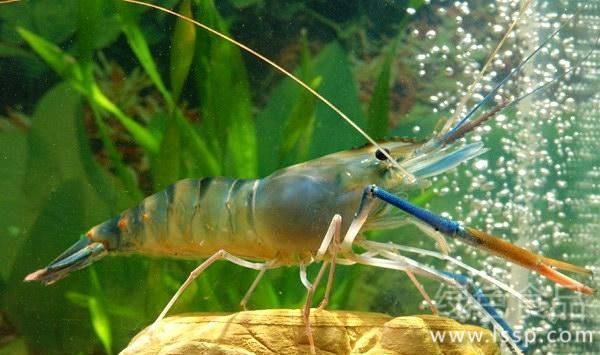
To achieve high yield and good profits from freshwater shrimp and river crabs, grasping six key points is very important
For high yield and good profits from freshwater shrimp and river crabs, grasping the "six key points" is very important
-
Six key points to master for garlic cultivation with plastic mulch
Garlic cultivation with plastic film mulch has a significant yield-increasing effect and very obvious economic benefits. During cultivation, attention should be paid to the following six aspects: Fine land preparation and fertilization: prepare the land carefully and increase the application of organic fertilizer, applying 5000-7500 kg of decomposed organic fertilizer per mu. For plastic film mulching, small raised beds are generally used, with a bed width of 70 cm and a bed spacing of 20 cm. Plant 4 rows per bed, with a row spacing of 15 cm and a plant spacing of 10 cm. For mulching with plastic film, generally sow first and then cover with film. The film should be covered tightly and pressed down firmly so that it fits closely against the ground with no gaps and no wrinkles. Any holes should be promptly plugged with soil.
-
Six key points to master for summer management of lilies
1. Fertilize according to seedling growth. After lilies are planted, they begin to emerge when the soil temperature reaches 14-16°C. Because lilies take a long time to emerge and consume a lot of nutrients, seedling fertilizer should be applied heavily. Apply 1000 kg of fully decomposed human and livestock manure or 20 kg of urea as a drench per 667 sq m. In early June, when lilies enter the early flowering stage, their underground bulbs grow faster. This period is critical for lily yield formation, and the fertilizer demand is large and concentrated, so a leaf-strengthening fertilizer should be applied as a top dressing. Apply 15 kg of urea per 667 sq m. Lilies have a preference for phosphorus
-
Six points to note when injecting a sick turtle
In recent years, artificial turtle farming has gradually gained popularity, but diseases have also shown a trend of local spread. There are many ways to administer medication to prevent and treat turtle diseases, such as oral medication, applying medication, injections, and medicated baths. Once a turtle becomes ill, the treatment work is very different from that for other animals, mainly because turtles have a very hard shell. According to the author's more than ten years of breeding and production practice, the injection method is the most effective, because the medicinal liquid is injected directly into the turtle's body and absorbed quickly. However, the author reminds the majority of turtle farmers that when injecting turtles, the following points should be noted: 1. Never use
-
How to increase the hatching rate of turtle eggs? Six key points to master
It is well known that turtles are highly resilient, rarely suffer from disease, and are easy to keep and manage, but this applies to adult turtles. Throughout the entire process of keeping turtles, carelessness in certain steps and details is not acceptable, and the incubation of turtle eggs is a highly technical step that will fail if not done properly. The following 6 methods for increasing the hatching rate of turtle eggs are introduced below. 1. Scientifically breed the parent turtles. Selecting good breeds is the primary condition for increasing the hatching rate of turtle eggs. Parent turtles should be large, robust, free of injuries or deformities, and of appropriate age. Female turtles should be 6 years old or older,
-
Six key technical points for spring tea management
Weeding and loosening the soil: After 4-5 months of rain and snow, the tea garden soil has become compacted, and some weeds have already grown. At this time, the soil temperature is relatively low. Therefore, weeding and loosening the soil before the spring tea harvest helps to loosen the soil, raise the soil temperature, eliminate weeds, and reduce the consumption of water and nutrients, which promotes earlier sprouting of spring tea. Weeding and loosening the soil is generally carried out from the end of February to early March, with a depth of 10-15 cm. Applying bud-promoting fertilizer: The bud-promoting fertilizer should be applied early rather than late, with a trench opened 15-20 cm from the tea plant roots
条件筛选