-

The Sickle Bend region will cut corn acreage by 50 million mu
On November 2, the Ministry of Agriculture issued guidance on corn structural adjustment in the Sickle Bend region, which will adjust China's corn structure. Affected by factors such as slowing growth in domestic consumer demand and the impact of imports of substitute products, corn currently exceeds demand, and inventories are large
-
Only by developing rural areas well can we truly resolve homesickness
Who among you comes from a rural area? Not a single one? After looking around and finding that none of the reporters nearby responded, 60-year-old Ke Bingsheng said loudly, I do. On the morning of March 3, as soon as he stepped into the delegation residence, Ke Bingsheng, a member of the National Committee of the Chinese People's Political Consultative Conference and president of China Agricultural University, was surrounded by a crowd
-
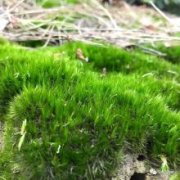
Can Drepanocladus moss be exposed to the sun? Understanding the uses of this common moss species
Drepanocladus moss is a type of moss plant. Its plant body is thick and large, unlike the small plant body of Funaria moss. It mainly grows in swamps, and its growing place has a very obvious characteristic, that is, it is more abundant in the water and fields of tussock meadows. Drepanocladus moss can be exposed to the sun
-
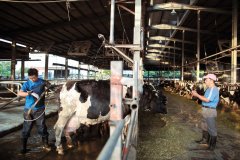
Dairy Cattle Farming Has a Promising Future: Reasons for Increased Milk Yield and Handling Milk from Sick Cows
Dairy cattle are great partners for dairy farmers to make money, and whether they live comfortably on the farm is tied to their health. Wu Jinlong, Secretary-General of the Dairy Farmers Association, said that sick cows affect dairy farmers' income, and once milk from a sick cow is mixed with other milk, the entire batch of raw milk is ruined
-
How can you keep chickens from getting sick and make them lay more eggs?
Summary The nutritional composition of the feed must be complete. According to the breed and purpose of the chickens, feed them a mixed feed or formulated feed with complete nutritional composition. The chicken coop needs to maintain suitable temperature, humidity, light, and suitable stocking density, generally at different
-
How do you tell if a cow is sick? Mainly look at its daily diet and excretion
Summary Daily behavior: if it frequently rubs its body everywhere, it is very likely a parasitic disease. External signs: if the cow's mouth often has white fluid secretion, severe bad breath and a bluish tongue coating, these are signs of impending illness. Excretion: if the cow's
-
How to Tell Duck Plague from Duck Cholera? A Must-Read for Duck Keepers
Ducks suffering from duck cholera often shake their heads before death; at the time of death, thin bloody fluid flows from the mouth and nostrils, and the crop is full of feed and feels hard to the touch. In contrast, ducks suffering from duck plague have runny noses and watery eyes, their eyes are bloodshot at the time of death, and the crop is empty with no food in it and feels soft to the touch. 1.
-
Attention, chicken farmers: never treat sick chickens blindly
In clinical diagnosis and treatment practice, it has been found that many chicken farmers believe they have years of experience in raising chickens, and when chickens become ill they generally buy medicine and treat them on their own, but the results are mostly unsatisfactory. The main problems are as follows: 1. Half-understanding of chicken diseases and inaccurate diagnosis. Some chicken farmers
-
Treatment Methods for Thrush in Meat Pigeons and Breeding Experience Sharing
Sick pigeons are listless, with ruffled feathers, head drawn in and eyes closed, walking slowly, eating little or not at all, increased thirst, the crop obviously swollen and drooping, contents firm or with a fluctuating feel, breathing with the mouth open, white loose caseous material in the mouth, a sour foul odor, passing thin droppings, and the sick pigeons become emaciated
-
How to determine whether a fox is sick in fox farming
Observation of fecal characteristics: when constipation occurs, the stool is dry and hard; when diarrhea occurs, the stool is loose; when hemorrhagic enteritis occurs, the feces contain blood; when catarrhal gastroenteritis occurs, the feces are thin and watery, containing incompletely digested feed and sloughed intestinal mucosal epithelium, and in some cases mixed with blood, namely purulent stool and bloody stool
条件筛选