-

Harvesting, Processing Methods and Technical Key Points of Turtle Shell
Turtle shell, also called turtle plastron, is the dried ventral shell of the turtle, a reptile of the turtle family. This product has the functions of nourishing yin and subduing yang, tonifying the kidney and strengthening the kidney, and nourishing blood and supplementing the heart. It is used for conditions such as yin deficiency with tidal fever, night sweats, convulsions due to yin damage in the late stage of febrile disease, soreness and weakness of the waist and knees, abnormal uterine bleeding, and hemorrhoids with fistula. Turtles are produced in most areas of China, with more in Jiangsu, Zhejiang, Guangxi, Anhui, Hubei, and Henan. In the wild, this animal mostly lives in groups in rivers, marshes, lakes, and ponds, and can be caught throughout the year. For a captured turtle, use a sharp knife to cut and scoop from the tail to the head, then from the other side of the head, cut and scoop
-
Summary of Common Questions About Softshell Turtles with Detailed Answers
When treating ciliate disease in softshell turtles, after spreading quicklime, a few days later you can use a ciliate-killing drug. Prevention and treatment methods for sessile ciliate disease in softshell turtles: (1) Regularly spread quicklime (20-25 g/cubic meter) and bleaching powder (1.5 g/cubic meter) over the entire pond. (2) Soak diseased softshell turtles in copper sulfate (8 g/cubic meter) or potassium permanganate (10 g/cubic meter) for 20-30 minutes. (3) Spread a copper sulfate and ferrous sulfate mixture (5:2) over the entire pond. During high-temperature periods, use 0.
-
Detailed Explanation of Key Technical Points for Polyculture of Soft-shelled Turtles, Crabs, Shrimp and Fish
1. Pond conditions: The pond area is 3.5 mu, the pond bottom is flat, the silt thickness is about 15 cm, and the water depth is 1.5 m. A 40 cm wide glass fence is installed around the pond, equipped with a 1.5 kW paddlewheel aerator. 2. Pond clearing and water fertilizing: After clearing the pond by the dry method with 75 kg of quicklime per mu, expose it to the sun for 5 days. One week before releasing the seedlings, fill with water to a depth of 80 cm, and use Feishuibao and EM original liquid to fertilize the water quality, so that the water transparency is about 30 cm and the water color is tea-brown or yellow-green. 3. Seedling stocking: On May 20, a total of 0.7-0.8
-
What are the prevention and treatment methods for parotitis in soft-shelled turtles?
In the process of raising soft-shelled turtles, if the water quality is poor and disinfection is not strict, the turtles are very prone to parotitis. Once this disease occurs, it will cause mass mortality. The disease tends to occur in juvenile turtles, and if not handled properly, it can lead to total wipeout, so it must be carefully prevented and treated. The prevention and treatment methods for parotitis in soft-shelled turtles are introduced below. 1. Pathogen: diseased turtles are affected by a virus, with secondary bacterial infection. 2. Symptoms: diseased turtles show weakened activity, often lying at the pond edge or on the feeding platform; the neck is swollen and cannot be freely extended or retracted, but the skin does not turn red; there is general edema, and the plastron is pale and bloodless.
-
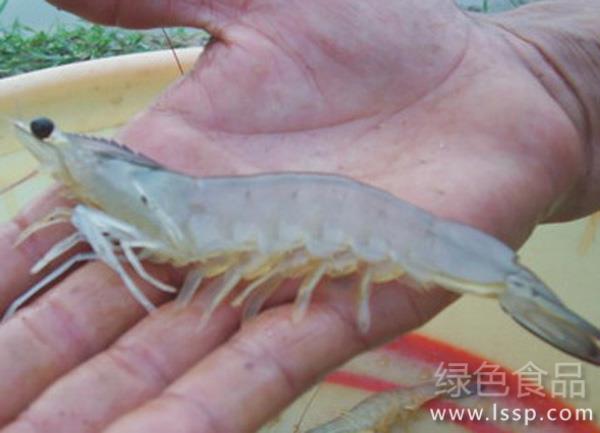
Soft-shell syndrome in prawns occurs at a high rate; how can it be prevented and treated in farming?
Prevention and treatment of soft-shell syndrome, which prawn farming is prone to
-
How to prevent and control red and white plastron disease in soft-shelled turtles? Detailed explanation of causes and prevention methods
Red and white plastron disease in soft-shelled turtles (commonly known as red plastron and white plastron disease) has been a relatively serious turtle disease in China in recent years, and so far there is still no ideal treatment method. However, through efforts in various aspects, the main pathogens and disease onset conditions of red and white plastron disease have basically been identified, and breakthrough progress has been made in prevention, especially in research on disease prevention with Chinese herbal medicines and immune vaccines, laying a foundation for controlling the occurrence of red and white plastron disease in the future. Based on relevant domestic research and my own practice, the author introduces the occurrence and prevention of red and white plastron disease as follows, for reference and application by interested parties.
-
Common pests and predators in soft-shelled turtle farming and their control methods
The main predators of soft-shelled turtles include rats, snakes, birds, ants, mosquitoes, etc. They mainly harm turtle eggs and juvenile turtles under 1 year of age; turtles over 1 year old with strong constitutions are rarely harmed. Among them, rats cause the greatest harm to turtle eggs. In the dead of night, which is the good time for turtles to lay eggs, rats also come out of their holes and move frequently around the egg-laying sites. On one hand, they disturb the normal egg-laying of turtles; on the other hand, rats dig holes all over the sand bed, causing the turtle eggs to vibrate and leading to embryo death. Juvenile and young turtles are also easily surrounded and
-
Differences Between Three Soft-Shelled Turtle Diseases and Their Prevention and Treatment Methods
In the process of soft-shelled turtle farming, some farmers cannot clearly distinguish white spot disease, white spot fungus disease and saprolegniasis, and blindly and indiscriminately use drugs when treating turtle diseases, thus affecting the effectiveness of disease prevention and treatment. Therefore, based on recent years of practice at soft-shelled turtle farms, the author summarizes the differences between the above diseases and comprehensive prevention and treatment methods as follows. I. Differences between white spot disease, white spot fungus disease and saprolegniasis in soft-shelled turtles 1. Different pathogens: the pathogen of white spot disease is Aeromonas hydrophila, Aeromonas sobria, etc.; the pathogen of white spot fungus disease is Mucor, which belongs to
-
Methods for the Prevention and Control of Common Soft-Shelled Turtle Diseases and Key Technical Points
Soft-shelled turtle diseases can be divided into three major categories: infectious diseases caused by bacteria, molds or viruses, parasitic diseases caused by parasites, and diseases caused by other factors. Among them, the more harmful and common ones are red plastron disease, white plastron disease, red neck disease, skin rot disease, perforation disease, white spot disease, bell-shaped ciliate disease, etc. Below is an introduction to the pathogens, causes and treatment methods of various diseases. 1. Red neck disease. Pathogen. The pathogen of red neck disease is Aeromonas hydrophila, Gram-negative. Carrier turtles and contaminated pond water are the main sources of infection,
-
Prevention and Treatment of Haemogregarinosis in Freshwater Soft-Shelled Turtles and Turtles
Haemogregarinosis is a disease caused by parasitic Haemogregarina. Haemogregarina is a sporozoan belonging to the order Eucoccidiida and the family Haemogregarinidae. Haemogregarina parasitizes the blood cells, liver cells and Kupffer cells of soft-shelled turtles and turtles and reproduces there. (1) Pathogen: Haemogregarina. According to Chai Jianyun et al. (1990), 6 species of Haemogregarina have been found in the bodies of soft-shelled turtles and turtles in China. Taking Haemogregarina sinensis as an example, in the Chinese soft-shelled turtle, there are 3 stages: (1) The mature tissue schizont in the Kupffer cells of the liver is oval
条件筛选