-
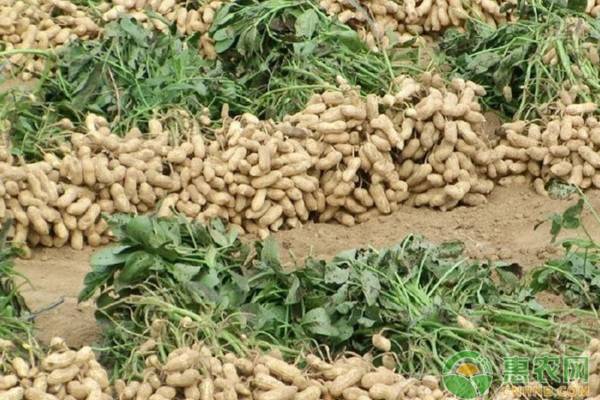
Is it better to sow peanuts in the shell or shelled? An analysis of the benefits of sowing in the shell
Is it better to sow peanuts in the shell or shelled? What are the benefits of sowing peanuts in the shell?
-

Detailed Explanation of the Soft-shelled Turtle-Rice Rotation Ecological Farming Model
Generally, after 2 to 3 years of raising soft-shelled turtles, one season of rice is planted. In mid-May, juvenile soft-shelled turtles are stocked, with a size of about 180 g body weight and a stocking density of 500 to 1000 turtles per mu. They are fed soft-shelled turtle compound feed together with live fish, and are caught before the end of July the following year. After catching the turtles, late rice is planted from late July to early August. During the rearing process, aside from using quicklime and other drugs to clear and disinfect the pond, no antibiotics, chlorine preparations, or other chemical drugs are used. For disease prevention, Chinese herbal medicines such as Banlangen (Isatis root) are mostly used. Regarding rice cultivation techniques,
-
Characteristics and Cultivation Techniques of the Red-Shelled Shallot Variety
Plant height about 30 cm, spread about 12 cm, leaf length 22 cm, green with little wax bloom, pseudostem about 8 cm long, white, outer skin purplish red-brown. Bulb base broad, 2.5 cm long, 2 cm wide. Strong tillering ability, intense aroma, strong pungency, propagated by division. Planted from late August to early September, row spacing 20-25 cm, hill spacing 7-8 cm, 4-5 plants per hill. Starting in November, seedlings are thinned and brought to market. In early summer the bulbs swell and are harvested for market, with a yield of 500-600 kg per mu.
-
Detailed Explanation of Key Technical Points for Soft-shelled Turtle-Rice Ecological Rotation
In recent years, China's soft-shelled turtle farming industry has developed rapidly. Adopting the soft-shelled turtle-rice rotation model can achieve rice cultivation without fertilization, while planting rice can also improve the bottom substrate of turtle ponds and reduce the occurrence of turtle diseases. Zhejiang Qingxi Soft-shelled Turtle Industry Co., Ltd. began conducting soft-shelled turtle-rice rotation experiments in 1999, and in practice summarized the ecological rotation model of "raising soft-shelled turtles for 2-3 years, planting one season of rice," which has been promoted and applied in production. 1. Construction of Rice-Planting Turtle Ponds. Each pond has an area of more than 3 mu, with the largest reaching
-
Are variegated shell ginger and variegated galangal the same plant?
Scientific name: Alpinia zerumbet cv. Variegata. Common name: variegated galangal. Family and genus: Zingiberaceae, Alpinia. Description: An evergreen herbaceous foliage plant. It grows 1-2 m tall, and potted plants are mostly under 1 m tall. Its rhizomes are creeping and fleshy. The leaves are leathery, with short petioles, short-oblong lanceolate; about 50 cm long and 1J5-20 cm wide; the leaf surface is dark green with golden-yellow longitudinal stripes and patches, and is glossy. The panicle is pendulous, the bracts are white with yellow edges, and the apex and base
-

-
What are some practical methods to reduce empty shells in sunflowers?
I. Symptom identification 1. Sunflower rust is a major disease of sunflowers, reducing yields by 40-80% in pandemic years. After infection, rust-like spore piles can form on leaves, petioles, stems, flower disks and other parts. When leaves are infected, small brown blisters first appear on the underside of the leaves; these are the uredinia of the pathogen, and after the surface ruptures, brown...
-

How to prevent empty peanut shells? A few practical methods to teach you
How to prevent empty peanut shells? Are there any good methods? We would also like experienced readers to share their advice. Zhongdi Network has compiled management methods for preventing empty peanut shells, listed below for readers' reference. Method 1: Cultivating and weeding: The growth of the peanut root system and the development of the pods both require the soil to have an appropriate...
条件筛选