-

Is the softshell turtle actually a protected animal? Explained clearly in one article
The softshell turtle is a kind of aquatic product we commonly eat. During festivals and holidays, a dish of softshell turtle can be said to be indispensable. In fact, in many cases, in order to eat some more delicious softshell turtles, some friends will even go to the market to buy wild softshell turtles. However, there are
-
What feed do soft-shelled turtles eat? An introduction to common types of feed for soft-shelled turtles
Soft-shelled turtles eat feed containing the five major categories of nutrients: protein, fat, carbohydrates, vitamins, and inorganic salts. Generally, various seafoods, river foods (freshwater), animal offal, various meats, fresh milk and eggs, and pollution-free cultivated yellow mealworms, earthworms,
-
Causes and Treatment Methods of Shell Rot in Turtles Explained
The turtle is also known as the golden turtle, grass turtle, mud turtle and mountain turtle, etc. In animal taxonomy, it belongs to the class Reptilia, order Testudines, family Emydidae, and is one of the common Testudines animals. It is an ancient extant reptile. It is characterized by a very hard shell on its body, and when attacked, the turtle
-
What should you do if a snapping turtle develops shell rot? Symptom identification and prevention techniques
Symptoms of shell rot in snapping turtles and prevention techniques
-
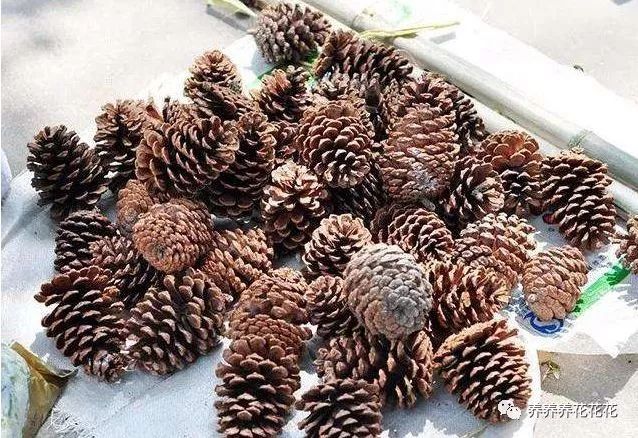
Using pine cones and peanut shells as pot liners is wrong; use them to repel pests, and no matter how much you water, the roots won't rot
Using pine cones and peanut shells as pot liners is wrong! Use them, and they can repel pests, and no matter how much you water, the roots won't rot. Recently I've been reading articles, and there are still many authors saying to use pine cones, peanut shells and the like to line the bottom of flower pots as a drainage layer, claiming the effect on plants is great,...
-
What are the prevention and treatment methods for soft-shelled turtle parotitis?
Cause: The cause is unknown and may be caused by a virus. Symptoms: Some diseased soft-shelled turtles have swollen necks and bleeding in the internal organs; some have bleeding spots on the plastron, and in the late stage of the disease, bleeding from the mouth and nose can also be seen. The disease has two characteristics: first, the neck is swollen but not red; second, the gastrointestinal tract contains clotted blood or is completely bloodless. When dying, the neck is stretched out long. Prevention and treatment: 1) Because the cause is unknown, there is still a lack of effective treatment methods, so prevention is the main approach. Regularly feed "Nongfu Type 3" for 1-2 consecutive days, 1-2 times per month;
-
Detailed Explanation of Key Technical Points for Soft-shelled Turtle-Rice Ecological Rotation
In recent years, China's soft-shelled turtle farming industry has developed rapidly. Adopting the soft-shelled turtle-rice rotation model can achieve rice cultivation without fertilization, while planting rice can also improve the bottom substrate of turtle ponds and reduce the occurrence of turtle diseases. Zhejiang Qingxi Soft-shelled Turtle Industry Co., Ltd. began conducting soft-shelled turtle-rice rotation experiments in 1999, and in practice summarized the ecological rotation model of "raising soft-shelled turtles for 2-3 years, planting one season of rice," which has been promoted and applied in production. 1. Construction of Rice-Planting Turtle Ponds. Each pond has an area of more than 3 mu, with the largest reaching
-
Detailed Explanation of the Soft-shelled Turtle-Rice Rotation Ecological Farming Model
Generally, after 2 to 3 years of raising soft-shelled turtles, one season of rice is planted. In mid-May, juvenile soft-shelled turtles are stocked, with a size of about 180 g body weight and a stocking density of 500 to 1000 turtles per mu. They are fed soft-shelled turtle compound feed together with live fish, and are caught before the end of July the following year. After catching the turtles, late rice is planted from late July to early August. During the rearing process, aside from using quicklime and other drugs to clear and disinfect the pond, no antibiotics, chlorine preparations, or other chemical drugs are used. For disease prevention, Chinese herbal medicines such as Banlangen (Isatis root) are mostly used. Regarding rice cultivation techniques,
-
-
条件筛选