-

How much is sandworm per jin? The benefits, effects and market prospects of the marine cordyceps
Sandworm, also known as sea ginseng, is a high-protein seafood that grows in beach mud. Because its shape resembles intestines, it is also called sand intestine worm. Its flesh is delicious and its nutritional value is high, so it is quite popular. So how much is the market price of sandworm per jin? What benefits and effects does it have? What are its market prospects?
-
How to Raise Sand Worms? A Detailed Guide to Pond Culture Techniques for Sea Ginseng
The sand worm, also known as sea ginseng or the square-grid peanut worm, is a delicacy from the sea and is very sensitive to environmental quality, so farming it requires great care. So, what pond culture techniques are there for sand worms? 1. Pond conditions: sand worm culture ponds are generally 3-5 mu in area
-
What are the breeding techniques for sand-burrowing worms? A full analysis of common methods
The sand-burrowing worm is a rare edible and medicinal insect, and in provinces such as Yunnan and Sichuan in China there are many consumers. Moreover, as wild sand-burrowing worms decrease, the price of sand-burrowing worms is rising, and more and more people are breeding them. Let's take a look below at
-
A detailed guide to new red sandworm (ragworm) farming techniques, farming methods and key technical points
Perhaps everyone does not know much about the red sandworm, and it is indeed rather uncommon in daily life, but the red sandworm is very nutritious, rich in protein, and is the best bait for fish, shrimp, crabs and so on. Let's take a look together with the editor below! Red sand
-
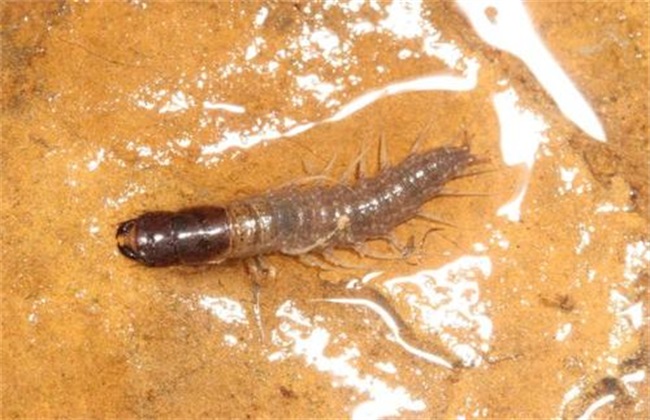
What are the key points of sand-burrowing worm farming techniques?
Key points for farming sand-burrowing worms
-
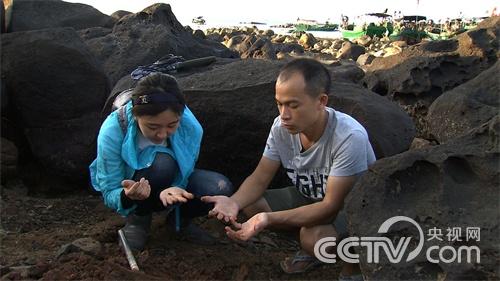
Sandworms hide in the mud, and pulling them out means wealth
The wealth of pulling sandworms from the mud
-
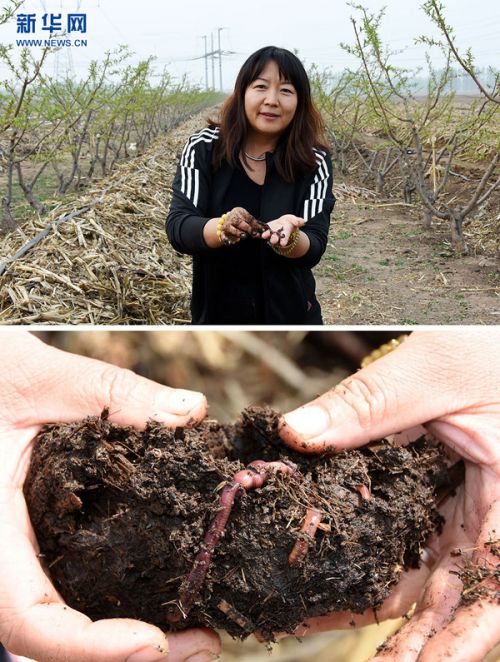
Female PhD Travels Thousands of Miles Just to Study Earthworms
Female PhD Travels Thousands of Miles to "Date" Earthworms
-
Special Topic on Sandworm Farming Techniques: A Complete Analysis of Scientific Methods and Practical Tips
Overview of Sandworms The sandworm (Nereid), English name - Clamworm, belongs to the phylum Annelida, class Polychaeta, and is commonly known as sea worm, sea maggot, sea centipede, and sea leech. Those harvested and farmed are mostly large species of the genera Perinereis Kinberg and Neanthes Kinberg. They are worm-shaped, with larger individuals reaching more than 10 cm in body length, and some species reaching more than 20 cm. The cross-section is round or slightly flattened, with many body segments. The body is divided into head
-
How to effectively control the Schisandra leaf-rolling worm
It occurs from July to August. The larvae are initially white, later turning green. Young larvae bite and feed on the leaf mesophyll; after the 3rd instar they roll leaves and feed, affecting fruit development. Control methods: (1) Before the larvae roll the leaves, spray with 80% trichlorfon at 1000-1500 times dilution. (2) After the leaves are rolled, spray with 40% dimethoate emulsifiable concentrate at 1000-1500 times dilution. (3) Spray with 50% phoxim at 1500 times dilution. (4) Spray with 50% phosphamidon emulsifiable concentrate at 2000 times dilution. (5) Before and after the larvae roll the leaves, they can also be caught by hand.
-

Detailed Explanation of Key Points for Sandworm Pond Farming Techniques
Sandworm Pond Farming Techniques
条件筛选